Saving Lives One Defibrillator at a Time
Every minute counts when someone experiences sudden cardiac arrest. In Toronto, a city of nearly 3 million residents, the availability of Automated External Defibrillators (AEDs) can mean the difference between life and death. While progress has been made in expanding AED Toronto coverage, the city still needs significantly more public access defibrillators to adequately protect its citizens and visitors.
The Stark Reality of Cardiac Arrest in Canada
The statistics are sobering. Canada experiences approximately 50,000 out-of-hospital cardiac arrests annually, with a survival rate of only about 10%. This means that 45,000 Canadians die each year from cardiac arrest – many of whom could potentially be saved with immediate access to defibrillation. In Toronto specifically, this translates to hundreds of preventable deaths annually.
The good news is that intervention works. Early CPR and early defibrillation increases cardiac arrest survival up to 75%, according to Toronto Paramedic Services. However, this life-saving potential can only be realized if AEDs are readily available when and where they're needed most.
Current AED Coverage in Toronto: Progress but Not Enough
Toronto has made commendable strides in defibrillator Toronto deployment. Toronto Paramedic Services' Safe City program maintains over 1,500 AEDs in public places like TTC subway stations, police stations, community centres, rinks, pools, and some schools. On a provincial level, major cities like Toronto have over 1,500 registered public AEDs, and schools in Ontario alone have deployed more than 2,500 AEDs.
While these numbers represent significant progress, they're insufficient for a metropolitan area of Toronto's size and density. Consider that approximately 20,000 publicly accessible AEDs are registered across Canada – this means Toronto, with roughly 8% of Canada's population, has only 7.5% of the country's registered public AEDs. For optimal coverage, experts recommend a minimum one AED per 1,000 residents in urban areas, which would require Toronto to have approximately 3,000 public access AEDs.
Legislative Support: Ontario's Commitment to AED Expansion
Ontario has demonstrated its commitment to expanding AED access through legislation. In 2020, Ontario took a significant step forward in enhancing public safety with the enactment of the Defibrillator Registration and Public Access Act. The Act imposes certain requirements respecting the installation, maintenance, testing and availability of defibrillators on designated premises or public premises.
This AED Ontario legislation represents a framework for ensuring that life-saving defibrillators are not only available but also properly maintained and registered for emergency response coordination. However, compliance with these requirements depends on having access to quality AED equipment and reliable suppliers.
Where Toronto Needs More AEDs
To achieve optimal public access AED Toronto coverage, the city needs strategic placement in several key areas:
High-Traffic Commercial Areas: Shopping malls, office buildings, and retail districts, condominiums/apartment (Multi-Residental Buildings) see thousands of people daily. The stress of shopping, business meetings, and urban life can trigger cardiac events, making these prime locations for AED placement.
Transportation Hubs: While TTC stations have some coverage, GO Transit stations, Union Station, and major bus terminals need comprehensive AED deployment. Pearson Airport and Billy Bishop Airport also require expanded coverage in all terminals and waiting areas.
Sports and Recreation Facilities: Community centres, private gyms, sports complexes, and recreational facilities are high-priority locations. Physical exertion increases cardiac arrest risk, particularly among older adults returning to exercise.
Residential Buildings: High-rise condominiums and apartment buildings house hundreds of thousands of Toronto residents. As a minimum these buildings should have AEDs in lobbies and common areas, as emergency services may face delays reaching upper floors.
Educational Institutions: While schools have made progress, universities, colleges, and continuing education centres need comprehensive coverage. Student stress, combined with lifestyle factors, creates cardiac arrest risk.
Workplaces: All office buildings, manufacturing facilities, and other workplaces should have AED programs as part of their occupational health and safety initiatives.
Choosing the Right AED Provider: Why AED.ca Stands Out
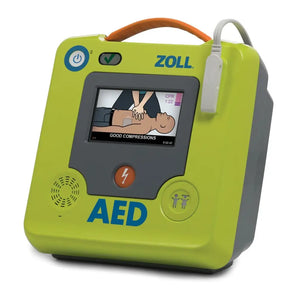
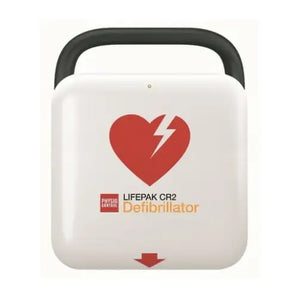
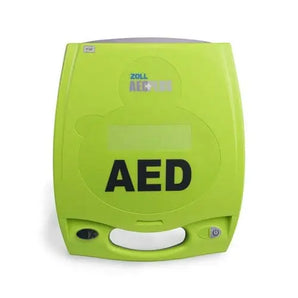
For organizations looking to buy AED Toronto equipment, selecting the right supplier is crucial. AED.ca has established itself as Toronto's premier AED provider, offering comprehensive solutions that go beyond simple equipment sales. They are AED experts / AED specialists and AEDs are their only business.
Local Expertise: As a Canadian company with deep understanding of Ontario's regulatory environment, AED.ca ensures all equipment meets provincial requirements and helps customers navigate the Defibrillator Registration and Public Access Act compliance.
Comprehensive Service: AED.ca doesn't just sell equipment – they provide complete AED programs including assistance with device selection, training, maintenance, and ongoing support. This turnkey approach ensures that AEDs remain functional and users stay confident in their operation.
Quality Equipment: AED.ca partners with leading manufacturers to offer reliable, Health Canada-approved defibrillators suitable for Toronto's diverse environments, from heated indoor spaces to challenging outdoor conditions.
Training Programs: Recognizing that equipment is only effective when people know how to use it, AED.ca recommends comprehensive CPR and AED training programs.
Maintenance and Support: AED.ca's maintenance programs ensure that devices remain ready for emergency use, with regular inspections, battery replacements, and software updates handled professionally.
The Business Case for AED Investment
Organizations considering AED for sale Toronto options should understand that AED investment delivers multiple benefits beyond life-saving potential:
Legal Protection: When Ontario's Defibrillator Registration and Public Access Act comes into effect, having properly maintained and registered AEDs will become a requirement.
Insurance Benefits: Some insurance providers offer premium reductions for organizations with comprehensive emergency response programs, including AED deployment.
Employee and Customer Confidence: Visible AED programs demonstrate organizational commitment to safety, improving employee satisfaction and customer trust.
Rapid Response: AEDs can be deployed immediately, potentially saving lives before paramedics arrive. In Toronto's traffic-congested environment, this immediate response capability is especially valuable.
Taking Action: Steps Toward Comprehensive AED Coverage
Toronto organizations ready to enhance their emergency preparedness should take these steps:
Assess Current Needs: Evaluate your facility's size, occupancy, and risk factors to determine appropriate AED placement and quantity.
Partner with AED.ca: Consult with Toronto's leading AED provider to develop a customized program that meets your specific requirements and budget.
Implement Training Programs: Ensure staff and key personnel receive proper CPR and AED training, with regular refresher courses to maintain competency.
Establish Maintenance Protocols: Work with AED.ca to implement regular maintenance schedules that keep your equipment ready for emergency use.
Register Your AEDs: Comply with Ontario legislation by registering your AEDs with the appropriate authorities and maintaining accurate records.
The Path Forward: A Safer Toronto Through AED Expansion
Toronto has the opportunity to become a leader in cardiac arrest survival rates through strategic AED deployment. With proper planning, quality equipment from providers like AED.ca, and community commitment to training and maintenance, the city can significantly reduce cardiac arrest fatalities.
Every AED installed represents potential lives saved. Every trained responder increases the likelihood that someone experiencing cardiac arrest will receive immediate, effective care. Every organization that invests in AED programs contributes to a safer, more resilient Toronto community.
The question isn't whether Toronto needs more AEDs – the statistics make that need undeniably clear. The question is how quickly we can deploy comprehensive defibrillator Toronto coverage throughout the city, ensuring that life-saving technology is available when and where it's needed most.
For organizations ready to be part of the solution, AED.ca offers the expertise, equipment, and ongoing support necessary to implement effective AED programs. In the fight against sudden cardiac arrest, every minute matters – and every AED counts.
Contact AED.ca today to learn how your organization can contribute to Toronto's life-saving AED network while ensuring compliance with Ontario's defibrillator legislation. Together, we can build a safer city where cardiac arrest becomes a survivable emergency rather than a certain tragedy.