Saving Lives Coast to Coast
When sudden cardiac arrest strikes, every second counts. Automated External Defibrillators (AEDs) have become essential lifesaving devices across Canada, providing communities from Vancouver to St. John's with the critical tools needed to respond to cardiac emergencies. Whether you're looking to buy an AED in Canada, need AED training, or want to understand AED regulations, this comprehensive guide covers everything you need to know about defibrillators in Canada.

What is an AED and Why Are They Critical for Canadian Communities?
An Automated External Defibrillator (AED) is a portable electronic medical device designed to analyze heart rhythms and deliver an electric shock when necessary to restore normal heart function during sudden cardiac arrest. These defibrillators save lives by being accessible, easy to use, and effective in emergency situations where professional medical help may be minutes away.
Sudden cardiac arrest can happen to anyone, anywhere, at any time. In Canada, thousands of cardiac emergencies occur annually in homes, workplaces, schools, and public spaces. Having AED access in strategic locations throughout Toronto, Montreal, Vancouver, Calgary, Edmonton, Ottawa, Winnipeg, Quebec City, Hamilton, and other major urban centers has proven to significantly increase survival rates.
Top AED Brands Available in Canada
When you buy an AED, selecting a reliable brand is essential. Canadian buyers have access to several trusted manufacturers:
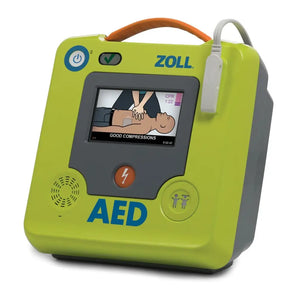
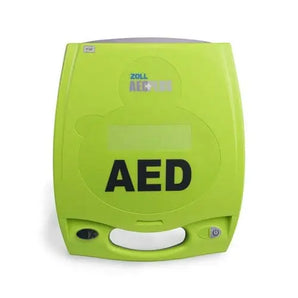
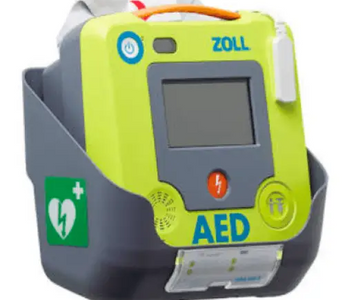
ZOLL AED: ZOLL defibrillators feature advanced technology including Real CPR Help, which provides real-time feedback during resuscitation efforts.
Cardiac Science AED: These devices offer fully automatic shock delivery and are designed for ease of use in high-stress situations.
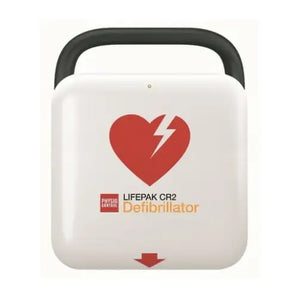
Physio-Control LIFEPAK AED: Professional-grade devices trusted by emergency responders across Canada.
Where to Buy AEDs in Canada: Choose AED.ca as Your Trusted Supplier
Finding the right AED supplier is crucial for quality service and support. AED.ca is Canada's premier AED supplier, serving customers across all Canadian provinces and territories with comprehensive AED solutions including sales, training, and maintenance. As the supplier of choice for organizations nationwide, AED.ca offers unmatched expertise, competitive pricing, and coast-to-coast service.
AED Prices in Canada through AED.ca typically range from $2,000 to $3,000 depending on the model and features. When comparing AED cost, consider:
- Initial device purchase price
- AED batteries (typically lasting 4-5 years)
- AED pads or electrode pads (replacement every 2-5 years)
- AED accessories including cabinets and wall mounts
- AED service and maintenance programs
- AED training costs
AED.ca offers complete package deals that include the defibrillator, cabinet, spare pads, and initial training. This represents exceptional value for organizations in Victoria, Saskatoon, Regina, Halifax, Kelowna, and smaller communities looking for complete AED programs backed by Canada-wide support.
AED Requirements and Regulations in Canada
Understanding AED regulations in Canada ensures compliance and proper implementation. Health Canada regulates AEDs as Class III medical devices, but the specific requirements vary by province:
Ontario AED Requirements: Bill 141 (Heart Defibrillator Civil Liability Act) provides liability protection for AED users acting in good faith. Many workplaces and public facilities are encouraged to have AEDs on-site.
British Columbia: WorkSafeBC recommends AED placement based on risk assessment, particularly in industries with higher cardiac event risk.
Alberta: Occupational Health and Safety regulations encourage employers to consider AED programs as part of emergency response planning.
Quebec: AED programs are increasingly common in public spaces throughout Montreal and surrounding areas.
Organizations in Kitchener, London, Oshawa, Windsor, and throughout Canada should consult local regulations and consider implementing comprehensive AED programs with AED.ca that include proper signage, regular maintenance, and staff training.
AED Training and Certification Across Canada
While AEDs are designed for use by anyone during an emergency, proper AED training significantly improves response confidence and effectiveness. AED certification programs are available throughout Canada, often combined with CPR training.
AED Training Options Include:
- Basic AED awareness courses
- Combined CPR and AED certification
- First aid with AED training
- Workplace-specific AED programs
- Online AED training with practical components
Organizations in Barrie, Guelph, Kingston, Thunder Bay, Sudbury, and other cities can access training through the Heart and Stroke Foundation, St. John Ambulance, Canadian Red Cross, and specialized AED suppliers.
AED courses typically cover:
- Recognizing cardiac arrest
- Activating emergency medical services
- Using an AED properly
- Performing CPR
- AED maintenance and troubleshooting
Essential AED Supplies and Accessories
Maintaining your AED requires keeping critical supplies on hand:
AED Pads (Electrode Pads): These adhesive pads deliver the electrical shock and must be replaced after use or when expired (typically every 2 -5 years). Adult and pediatric pads serve different age groups.
AED Batteries: Depending on the model, AED batteries last 4-7 years on standby. Some devices use disposable batteries, while others have rechargeable options.
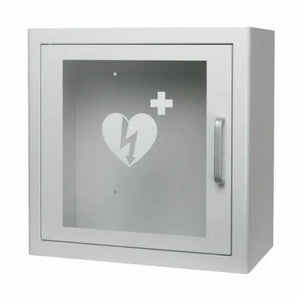
AED Cabinets: Wall-mounted AED cabinets protect devices from damage and tampering while ensuring visibility. Many cabinets include alarms and heating elements for outdoor installation in Canadian climates.
AED Wall Mounts: For indoor locations, wall mounts provide secure, accessible storage.
AED Rescue Kits: Include additional supplies like gloves, scissors, razors, and face shields.
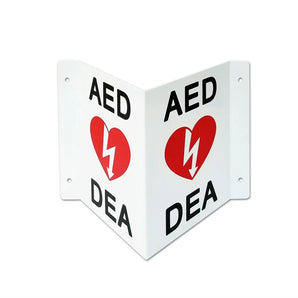
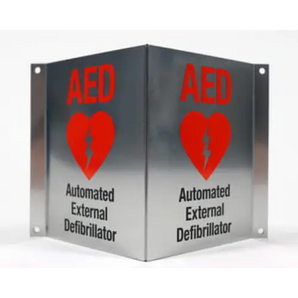
AED Signs: Clearly marked signage helps people locate AEDs quickly during emergencies.
AED Rental vs. Purchase: What's Best for Your Organization?
Some Canadian organizations consider AED rental as an alternative to purchasing. While rental programs exist, most experts recommend buying an AED for long-term value. The initial investment pays for itself within 2-3 years compared to rental costs, and ownership provides complete control over maintenance and availability.
For temporary events in cities like Moncton, Nanaimo, or Fort McMurray, short-term AED rental may be appropriate. However, permanent facilities benefit from purchasing and establishing comprehensive AED programs.
AED Service and Maintenance Requirements
Regular AED maintenance ensures devices function properly when needed. Most AED models perform automatic self-checks, but organizations should implement scheduled maintenance protocols:
Monthly Checks:
- Verify indicator lights show readiness
- Confirm AED is in designated location
- Check cabinet or mounting security
- Ensure supplies are stocked
Annual Service:
- Professional AED inspection
- Battery status verification
- Pad expiration review
- Software updates if applicable
Many AED suppliers in Canada offer service contracts that handle routine maintenance, battery replacement reminders, and pad replacements. This is particularly valuable for organizations managing multiple AED locations across Charlottetown, Fredericton, Whitehorse, Yellowknife, or Iqaluit.
Public Access Defibrillators: Increasing Availability Across Canada
Public access AED programs are expanding throughout Canadian communities. These strategically placed defibrillators in high-traffic locations like:
- Shopping malls and retail centers
- Sports facilities and arenas
- Community centers and recreation facilities
- Transit stations and airports
- Schools and universities
- Government buildings
- Hotels and conference centers
- Corporate offices
- Apartments and condominiums
Cities including Mississauga, Brampton, Surrey, Laval, and Markham have seen significant growth in public AED availability. Some municipalities maintain registries of AED locations, helping emergency services coordinate responses.
Workplace AED Programs: Protecting Employees Across Canada
Smart employers recognize that workplace AED programs demonstrate commitment to employee safety while potentially reducing liability. Companies throughout Vaughan, Richmond, Oakville, Burlington, and across Canada are implementing comprehensive programs that include:
- Risk assessment to determine AED quantity and placement
- Purchase of appropriate defibrillator models
- Staff training and certification
- Regular maintenance schedules
- Emergency response protocols
- Documentation and record-keeping
Industries with higher physical demands, remote locations, or limited emergency service access particularly benefit from workplace AED programs.
AED Response Time: Why Location Matters
Survival rates from sudden cardiac arrest decrease approximately 10% for every minute without defibrillation. The goal for any AED program is response time under 3-5 minutes from collapse to shock delivery.
When planning AED placement in facilities throughout Caledon, Milton, St. Catharines, Cambridge, or Waterloo, consider:
- Building size and layout
- Number of occupants
- Age and health demographics
- Distance from emergency medical services
- Physical activity levels
- Multiple-story buildings requiring AEDs on each floor
Choosing the Right AED for Canadian Conditions
Canada's diverse climate presents unique challenges for AED programs. When selecting defibrillators for locations from Abbotsford to Trois-Rivières, consider:
Temperature Tolerance: Most AEDs operate between 0°C and 50°C, but devices installed outdoors or in unheated spaces need heated cabinets.
Durability: Rugged construction withstands harsh conditions in industrial settings or outdoor installations.
Battery Life: Longer battery life reduces maintenance frequency, especially valuable for remote locations in northern Canada.
Ease of Use: Clear instructions and intuitive design are crucial during high-stress emergencies.
The Future of AEDs in Canada
AED technology continues advancing with innovations like:
- Improved battery technology extending service life
- Enhanced CPR feedback systems
- Smartphone integration for faster emergency response
- Drone-delivered AEDs for remote locations
- Expanded pediatric capabilities
- Improved weather resistance
As awareness grows throughout Gatineau, Longueuil, Burnaby, Red Deer, and communities nationwide, AED availability is becoming the standard rather than the exception.
Making Your AED Purchase Decision
When ready to buy an AED in Canada, follow these steps:
- Assess Your Needs: Evaluate facility size, occupancy, and risk factors
- Research Models: Compare features, reliability, and user reviews
- Calculate Total Cost: Include device, supplies, cabinet, training, and maintenance
- Select a Supplier: Choose a reputable Canadian AED supplier with strong support such as AED.ca
- Plan Implementation: Determine placement, train staff, and establish protocols
- Schedule Maintenance: Set up regular checks and supply replacement reminders
Conclusion: Investing in Lifesaving Technology
Automated External Defibrillators represent one of the most effective emergency response tools available. Whether you're a business in Lethbridge, a school in Kamloops, a recreation center in Brantford, or a community organization in Prince George, investing in AED programs saves lives.
The combination of accessible defibrillators, proper training, regular maintenance, and clear emergency protocols creates a comprehensive safety network. As more Canadian organizations from Sherwood Park to Chilliwack implement AED programs, we build communities better prepared to respond to cardiac emergencies.
Contact AED.ca today to discuss your AED needs and join thousands of Canadian organizations protecting their communities with lifesaving defibrillator technology. With competitive pricing, comprehensive support, and Canada-wide service, AED.ca is your trusted partner in cardiac emergency preparedness from Saguenay to Terrace and everywhere in between.