
Having and AED is a Matter of Life and Death
Every year, thousands of Canadians experience sudden cardiac arrest (SCA) in workplaces, schools, recreational facilities, homes, and public spaces. When someone collapses from cardiac arrest, the clock starts ticking – and without immediate intervention, their chances of survival plummet by 7-10% every minute. This is where an AED (Automated External Defibrillator) becomes not just helpful, but absolutely critical. The hidden dangers of not having an AED machine at your location extend far beyond what most people realize.
The Stark Reality of Sudden Cardiac Arrest
Sudden cardiac arrest strikes without warning, affecting people of all ages and fitness levels. Unlike a heart attack, which is caused by blocked blood flow to the heart, SCA occurs when the heart's electrical system malfunctions, causing it to stop beating effectively. When this happens, the brain and other vital organs are deprived of oxygen, leading to death within minutes if not treated immediately.
The statistics are sobering: only about 10% of people who experience cardiac arrest outside of a hospital survive. However, when an automatic defibrillator is used within the first few minutes, survival rates can increase to 70% or higher. This dramatic difference highlights the first hidden danger of not having an AED on-site – you're essentially leaving lives to chance.
Hidden Danger #1: The False Security of Emergency Response Times
Many facility managers and business owners assume that calling 911 is sufficient during a cardiac emergency. This creates a dangerous false sense of security. Even in urban areas with excellent emergency services, the average response time for paramedics is 8-12 minutes. In rural areas, this can extend to 15-20 minutes or longer.
Remember, brain death begins within 4-6 minutes of cardiac arrest. By the time professional help arrives, irreversible damage has often already occurred. An AED defibrillator on-site can deliver life-saving treatment in under 3 minutes, making the difference between life and death, or between full recovery and permanent disability.
Hidden Danger #2: Legal and Liability Risks
Beyond the moral imperative to protect lives, there are significant legal considerations. While Good Samaritan laws protect individuals who use AEDs in emergency situations, organizations may face liability issues if they fail to provide adequate emergency response capabilities.
Many provinces and territories have specific requirements for AED placement in certain types of facilities. Failing to comply with these regulations can result in fines, legal action, and increased insurance premiums. More importantly, in the event of a preventable death, organizations may face wrongful death lawsuits that could have been avoided with proper AED deployment.
Hidden Danger #3: The Psychological Impact on Survivors and Witnesses
The trauma of witnessing a cardiac arrest without having the tools to help can have lasting psychological effects on employees, students, customers, and family members. Survivors of such incidents often experience guilt, anxiety, and post-traumatic stress, knowing that they were helpless to save someone's life.
Having an AED machine available and ensuring staff are trained to use it creates a sense of empowerment and preparedness. Even if the outcome isn't successful, knowing that everything possible was done provides psychological comfort to those involved.
Hidden Danger #4: Economic Consequences
The financial impact of not having an AED extends beyond potential legal costs. Consider the productivity loss from workplace disruptions, the cost of trauma counseling for affected individuals, potential increases in insurance premiums, and the immeasurable cost of losing a valued employee, student, or community member.
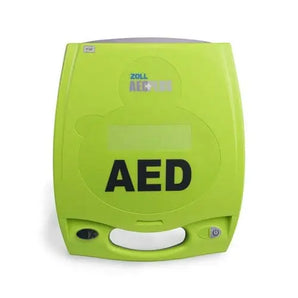
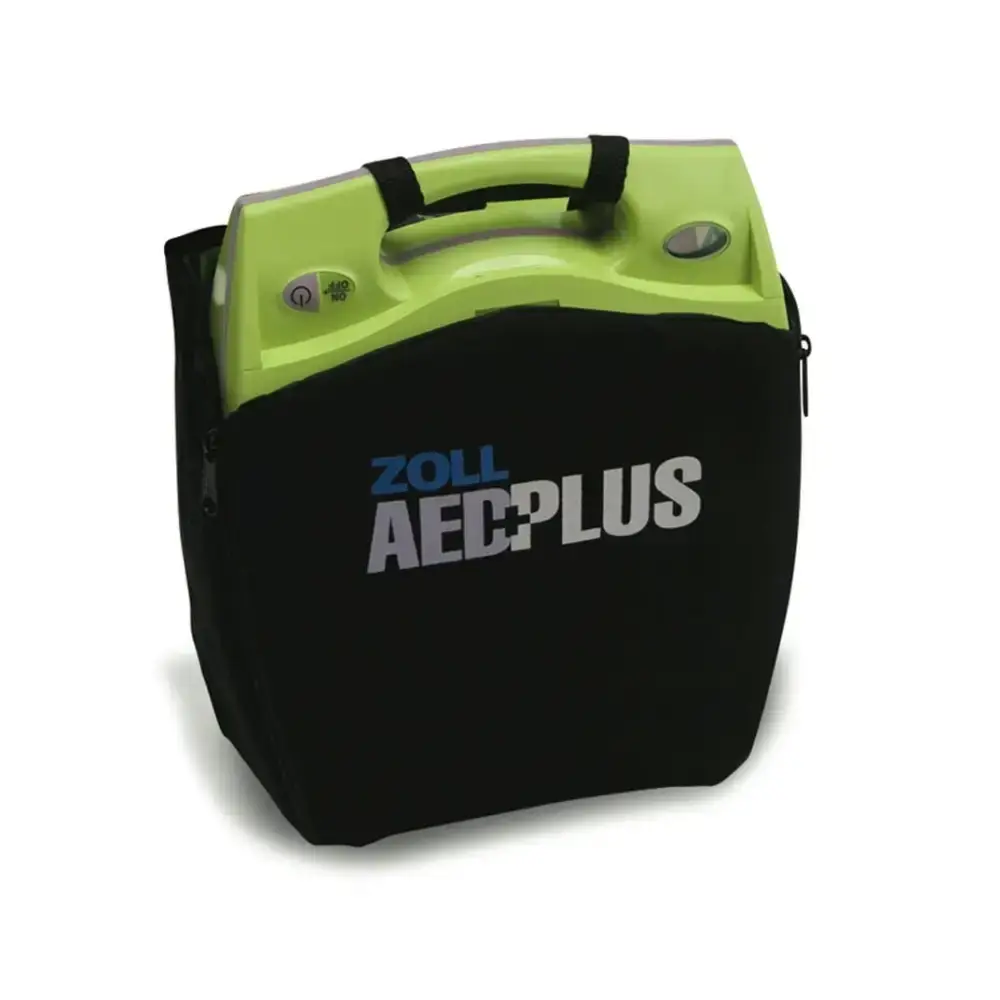
When you factor in the AED defibrillator cost, which has become increasingly affordable, the investment in life-saving equipment becomes a clear economic decision. Modern devices like the Zoll AED Plus offer excellent value with their proven reliability and user-friendly operation.
Hidden Danger #5: Maintenance and Readiness Neglect
Having an AED isn't enough if it's not properly maintained. Automated external defibrillator pads and batteries have expiration dates and checking, and the device itself requires periodic maintenance. Many organizations purchase an AED and then forget about it, only to discover during an emergency that the device isn't functional.
This hidden danger is particularly insidious because it provides a false sense of security. Regular maintenance schedules, staff training updates, and proper storage are essential components of an effective AED program.
The Solution: Comprehensive AED Programs
The most effective way to eliminate these hidden dangers is through a comprehensive AED program that includes:
Proper Equipment Selection
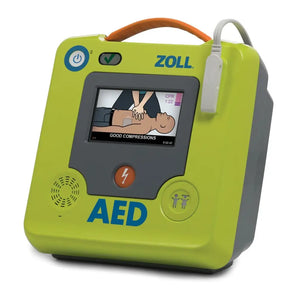
Choosing the right automatic defibrillator for your specific needs is crucial. The Zoll AED Plus is an excellent choice for many facilities due to its real-time feedback on CPR quality, long battery life, and rugged construction. Its unique features include audio and visual prompts that guide users through the rescue process, making it ideal for facilities where trained medical personnel may not always be available.
Strategic Placement
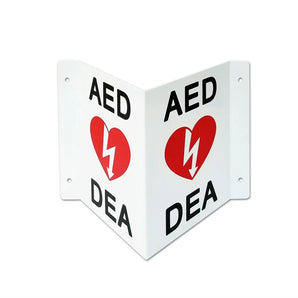
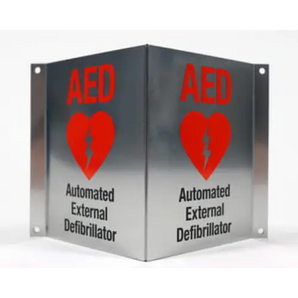
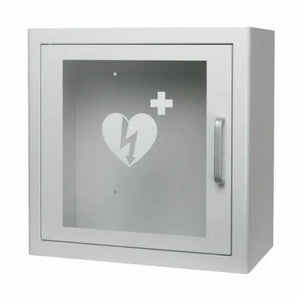
AEDs should be placed in easily accessible locations with clear signage. The goal is to have the device available within 3-5 minutes of any location in your facility. High-traffic areas, near elevators, and in central locations are typically ideal.
Staff Training and Certification
Regular training ensures that multiple staff members know how to operate the AED and perform CPR. This training should be refreshed annually and include hands-on practice with the actual device that will be used in an emergency.
Maintenance and Monitoring
Establish a regular maintenance schedule that includes checking battery levels, verifying that automated external defibrillator pads and batteries are within their expiration dates, and ensuring the device passes self-diagnostic tests.
Recommended AED
Zoll AED Plus
Reasons why recommend:
-
-
Real time Audio & Visual CPR feedback - improves positive outcomes by 50%
-
Pads and batteries both last 5 years - lowest cost of ownership
-
Highly resistant to dust and moisture and has an ingress protection (IP) rating of 55. This is among the highest in the industry.
-
 For more information go to:
https://aed.ca/products/stryker-physio-cr2-semi-auto-english-wifi
Why Choose AED.ca for Your Life-Saving Equipment
When it comes to purchasing an AED machine in Canada, AED.ca stands out as the premier choice for several compelling reasons:
Comprehensive Selection: AED.ca offers a full range of AED devices, including the highly recommended Zoll AED Plus, ensuring you can find the perfect fit for your facility's needs and budget.
Expert Guidance: Their team of experts helps you navigate the selection process, ensuring you choose the right device for your specific environment and requirements.
Competitive Pricing: AED.ca offers competitive pricing on all their devices, making life-saving technology accessible to organizations of all sizes. Their buy defibrillator sale events provide additional savings opportunities.
Complete Support: Beyond just selling equipment, AED.ca provides comprehensive support including training programs, maintenance services, and replacement supplies like automated external defibrillator pads and batteries.
Canadian Focus: As a Canadian company, AED.ca understands the unique requirements and regulations across different provinces and territories, ensuring compliance with local laws.
Quality Assurance: All devices sold through AED.ca meet or exceed Canadian medical device standards, providing peace of mind about the reliability of your investment.
Taking Action: Your Next Steps
The hidden dangers of not having an AED at your location are real and potentially devastating. The good news is that these dangers are entirely preventable with proper planning and investment in the right equipment.
Start by conducting a risk assessment of your facility. Consider factors like the number of people regularly on-site, the age demographics of your population, the level of physical activity that occurs, and your distance from emergency medical services.
Next, consult with AED.ca to determine the best automatic defibrillator solution for your needs. Their experts can help you understand the AED defibrillator cost and develop a comprehensive program that includes equipment, training, and ongoing support.
Remember, when it comes to sudden cardiac arrest, you cannot afford to wait. The decision to invest in an AED machine is ultimately a decision to value human life above all else. In those critical moments when someone's heart stops beating, having the right equipment and training can mean the difference between tragedy and triumph.
Don't let the hidden dangers of being unprepared become a reality at your location. Contact AED.ca today to learn more about their comprehensive AED solutions and take the first step toward creating a safer environment for everyone in your care. Because when seconds count, being prepared isn't just smart – it's essential.
Conclusion
The hidden dangers of not having an AED extend far beyond the immediate medical emergency. They encompass legal risks, psychological trauma, economic consequences, and the immeasurable loss of human potential. By investing in proper AED equipment through a trusted partner like AED.ca, you're not just purchasing a device – you're investing in the safety, security, and peace of mind of everyone who enters your facility.
The question isn't whether you can afford to buy an AED defibrillator – it's whether you can afford not to. Make the commitment to safety today, because tomorrow might be too late.