
Why Buildings with 100+ Occupants Need AEDs in Canada
A significant shift is occurring in Canadian premises liability law, safety standards, and public expectations regarding emergency preparedness. The emerging "reasonable expectation" doctrine increasingly holds that buildings accommodating 100 or more occupants or daily patrons should have automated external defibrillators (AEDs) readily available on-site. This evolving standard is reshaping how property owners, facility managers, and business operators approach emergency preparedness and liability management.
Understanding the "Reasonable Expectation" Doctrine
The reasonable expectation doctrine represents a fundamental shift in how courts and safety experts view emergency preparedness responsibilities. This legal principle recognizes that certain facilities, based on their occupancy levels and operational characteristics, create reasonable expectations among occupants that basic life-saving equipment will be available.
The 100-occupant threshold has emerged as a critical benchmark in this doctrine. Buildings that regularly accommodate 100 or more people daily—whether employees, customers, students, or visitors—are increasingly viewed as having enhanced duties of care that extend beyond traditional safety measures. This threshold reflects statistical realities about cardiac emergency probabilities and the practical feasibility of emergency response in high-occupancy environments.
Legal experts note that this doctrine evolved from recognizing that modern buildings serving large numbers of people operate fundamentally differently than smaller facilities. The reasonable expectation standard acknowledges that occupants of high-capacity buildings have legitimate expectations for emergency preparedness commensurate with the facility's size and purpose.
The Statistical Foundation of the 100-Occupant Standard
The 100-occupant threshold for reasonable expectation isn't arbitrary—it's based on compelling statistical evidence about cardiac emergency probabilities. In any group of 100 people, statistically, 1-2 individuals may be at elevated risk for cardiac events based on age, health conditions, and lifestyle factors.
Canada experiences approximately 50,000 out-of-hospital cardiac arrests annually. When you consider that facilities with 100+ daily occupants may serve 36,500+ people annually, the mathematical probability of encountering a cardiac emergency becomes significant. This statistical reality forms the foundation of the reasonable expectation that such facilities should have appropriate emergency response capabilities.
The doctrine recognizes that while individual cardiac events are unpredictable, the aggregate risk across high-occupancy facilities creates a compelling case for standardized emergency preparedness measures.
Legal Precedent and Evolving Standards
Canadian courts have increasingly recognized that facilities with substantial occupancy levels face enhanced liability standards. Recent decisions have established that the "reasonable expectation" test considers several factors:
- Daily occupancy levels and capacity ratings
- Distance from emergency medical services
- Nature of activities and demographics of occupants
- Industry standards and best practices
- Facility marketing and public positioning
Courts have noted that buildings advertising their capacity to accommodate 100+ people create implicit promises about safety preparedness. This legal evolution means that high-occupancy facilities may face increased liability exposure if they cannot demonstrate reasonable emergency preparedness measures.
The reasonable expectation doctrine is particularly relevant given the Canadian Good Samaritan Law's framework, which encourages rather than penalizes proactive safety measures.
Are AEDs Really Necessary? The Occupancy-Based Answer
The question of whether AEDs are truly necessary becomes clearer when viewed through the reasonable expectation lens and occupancy-based risk assessment. For buildings with 100+ occupants, the answer is increasingly "yes" based on legal, statistical, and practical considerations.
The automated external defibrillator price has decreased significantly in recent years, making these devices accessible to most high-occupancy facilities. When cardiac arrest occurs, survival rates drop 7-10% for every minute without defibrillation. In a building with 100+ occupants, the probability of encountering this emergency situation justifies the investment in immediate response capability.
The reasonable expectation doctrine recognizes that occupants of high-capacity buildings have legitimate expectations that facilities will provide emergency response capabilities proportionate to their size and risk profile.
The Canadian Good Samaritan Law and High-Occupancy Buildings
The Canadian Good Samaritan Law provides crucial legal protections for individuals and organizations that act in good faith during emergency situations. This legislation is particularly relevant for high-occupancy buildings implementing AED programs, as it encourages rather than penalizes proactive safety measures.
The Canadian Good Samaritan Law specifically recognizes that AEDs are designed for use by laypersons and that immediate action during cardiac emergencies can mean the difference between life and death. For facilities with 100+ occupants, this legal protection becomes even more significant, as these buildings are more likely to encounter emergency situations requiring immediate response.
The law's framework aligns perfectly with the reasonable expectation doctrine, providing legal protection for facilities that invest in appropriate emergency preparedness measures while encouraging rather than discouraging proactive safety investments.
Understanding AED Costs for High-Occupancy Buildings
One of the most significant misconceptions about AED implementation is the assumption that the defibrillator price is prohibitively expensive for most facilities. The reality is that modern automatic defibrillator cost has become remarkably affordable, particularly when measured against the occupancy levels and liability exposure of high-capacity buildings.
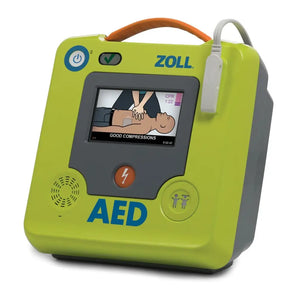
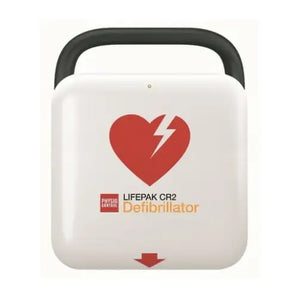
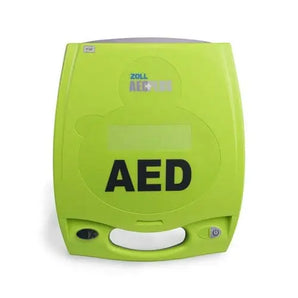
The typical aed defibrillator cost for a quality unit suitable for high-occupancy buildings ranges from $2,000 to $3,000. When you consider that a building with 100+ daily occupants serves approximately 36,500+ people annually, the per-person cost over the device's 10-year lifespan drops to under 3 cents per person per year.
This cost analysis demonstrates why courts and safety experts now consider AEDs a reasonable business expense for high-occupancy facilities. The price of an aed, when amortized across thousands of annual building users, becomes comparable to other routine facility maintenance expenses.
Factors Affecting AED Machine Canada Pricing
Several factors influence defib prices in the Canadian market for high-occupancy buildings:
Device Specifications: Basic models suitable for most high-occupancy facilities cost less than advanced units with additional monitoring capabilities. Most buildings need reliable, user-friendly devices rather than medical-grade equipment with advanced features.
Facility Size and Layout: Buildings with 100+ occupants may require multiple units or enhanced placement strategies, affecting overall investment levels. However, the per-occupant cost remains reasonable even with multiple device installations.
Training and Support Services: Comprehensive packages that include staff training, ongoing maintenance, and compliance support add value to the overall investment, particularly for facilities with high turnover or complex occupancy patterns.
Volume and Group Purchasing: Organizations managing multiple high-occupancy buildings may qualify for significant volume discounts that reduce per-unit costs substantially.
Why AED.ca Leads in High-Occupancy Building Solutions
When researching aed machine canada options for high-occupancy buildings, AED.ca stands out as Canada's premier provider for several compelling reasons. This Canadian company specializes in serving facilities with significant occupancy levels and understands the unique challenges these buildings face.
AED.ca's expertise makes them invaluable partners for high-occupancy building operators. They understand that facilities with 100+ occupants need more than just equipment—they need comprehensive solutions that demonstrate reasonable preparedness and legal compliance.
The company provides occupancy-based risk assessments, helping building operators understand their specific requirements under the evolving reasonable expectation standard. Their training programs are scaled to facility size and occupancy patterns, ensuring that staff can respond effectively during emergencies.
AED.ca's focus on Canadian regulations and legal requirements means they can help high-occupancy buildings develop defensible safety programs that protect both occupants and property owners' interests.
Implementation Strategies for High-Occupancy Buildings
Successful AED implementation in buildings with 100+ occupants requires strategic planning that considers facility layout, occupancy patterns, and operational requirements. The reasonable expectation doctrine suggests that placement and accessibility should be appropriate to the building's size and purpose.
For buildings with 100-200 occupants, a single strategically placed AED may meet reasonable expectations. However, facilities with 300+ occupants should consider multiple units or enhanced placement strategies to ensure reasonable accessibility throughout the facility.
Staff training becomes particularly important in high-occupancy buildings, where emergencies are more likely to occur and response coordination becomes more complex. While AEDs are designed for use by untrained individuals, having staff members familiar with emergency procedures significantly improves response effectiveness.
Industry Standards and Reasonable Expectations
Various industries serving high-occupancy buildings have increasingly adopted AED programs as standard practice. Shopping centers, office buildings, schools, hotels, and entertainment venues with 100+ occupants have recognized that AED availability has become a reasonable expectation among occupants.
This industry-wide trend reinforces the reasonable expectation doctrine, as facilities operating at similar occupancy levels face comparable expectations for emergency preparedness. A building owner cannot reasonably claim different safety standards than similar facilities serving comparable numbers of people.
The Business Case: Liability Management and Insurance
Insurance companies increasingly recognize the correlation between occupancy levels and emergency preparedness requirements. Buildings with 100+ occupants may find that comprehensive safety measures, including AED programs, result in meaningful premium reductions.
The potential insurance savings often offset a substantial portion of the aed machine canada investment, making the business case compelling for high-occupancy operations. Additionally, demonstrating reasonable preparedness can provide significant protection in liability situations.
Future Trends and Regulatory Evolution
Legal and safety experts predict that formal regulations requiring AEDs in high-occupancy buildings may follow the current reasonable expectation trend. Several jurisdictions have already implemented mandatory AED requirements for specific building types, and this trend appears likely to expand.
Buildings that proactively invest in AED programs position themselves advantageously for potential regulatory changes while demonstrating current compliance with reasonable expectation standards.
Making the Decision: 100+ Occupants and Reasonable Duty
For buildings regularly accommodating 100+ occupants, the reasonable expectation doctrine makes AED installation increasingly necessary rather than optional. The combination of statistical probability, legal trends, reasonable costs, and liability protection creates a compelling case for action.
The automatic defibrillator cost, when measured against occupancy levels, liability exposure, and reasonable expectations, represents a minimal per-occupant investment in safety and legal compliance.
Taking Action: Occupancy-Appropriate Emergency Preparedness
If your building regularly accommodates 100+ occupants, start by conducting an occupancy-based risk assessment. Consider peak occupancy levels, demographic factors, and distance from emergency services.
Contact AED.ca for a consultation that addresses your specific occupancy levels and reasonable expectation requirements. They can help you develop an occupancy-appropriate safety plan that demonstrates reasonable preparedness while protecting your interests.
The reasonable expectation doctrine represents a fundamental shift in how high-occupancy buildings must approach emergency preparedness. The price of an aed, when viewed against occupancy levels and legal standards, becomes a clear necessity rather than an optional expense.
For buildings with 100+ occupants, the question isn't whether you can afford an AED—it's whether you can afford to operate without meeting the reasonable expectations that come with high-occupancy operations. Contact AED.ca today to ensure your facility meets the evolving standards for emergency preparedness in high-occupancy buildings.