What You Need to Know About AEDs
Discover how AEDs save lives in Canadian workplaces. Learn about workplace cardiac arrest statistics, legal requirements, and why the ZOLL AED 3 from AED.ca is the best choice for business safety.
Every year, approximately 60,000 cardiac arrests occur in Canada, with an estimated 50,000 of these happening outside hospital settings. While many assume cardiac emergencies only strike the elderly or those with known heart conditions, the reality is far more sobering: sudden cardiac arrest can happen to anyone, anywhere, at any time—including in Canadian workplaces.
For business owners, facility managers, and human resources professionals across Canada, understanding the role of Automated External Defibrillators (AEDs) in workplace health and safety isn't just about compliance—it's about having the power to save a colleague's, customer's, or visitor's life when every second counts.
Understanding the Workplace Cardiac Arrest Crisis in Canada
The statistics paint a stark picture of the cardiac emergency landscape in Canadian businesses. The survival rate for out-of-hospital cardiac arrests in Canada currently sits at only about 10%. However, this grim statistic doesn't tell the whole story—because it can change dramatically with proper preparation.
When an AED is used within the first 3-5 minutes, survival rates can increase dramatically from about 10% to over 70%. The challenge? In urban Canadian centers, emergency response times average 8-10 minutes—too long for optimal survival without immediate intervention.
This is where workplace AEDs become absolute game-changers. Every workplace cardiac arrest represents a critical window of opportunity where trained employees with immediate access to an AED can make the difference between life and death.
The Reality of Workplace Sudden Cardiac Arrest
Sudden cardiac arrest (SCA) differs fundamentally from a heart attack. While a heart attack is a circulation problem caused by blocked arteries, SCA is an electrical malfunction that causes the heart to stop beating entirely. The victim collapses, loses consciousness, and stops breathing normally. Without immediate intervention, death occurs within minutes.
For every minute that passes without CPR and defibrillation, the chances of survival decrease by 10%. This brutal timeline means that waiting for paramedics—no matter how quickly they respond—often results in tragedy. The only effective treatment for sudden cardiac arrest is immediate CPR combined with defibrillation from an AED.
Why Canadian Businesses Need AEDs: Beyond Legal Compliance
While some Canadian provinces have begun implementing AED requirements for specific industries—such as Ontario's 2025 construction site mandate for worksites with 20 or more workers—the moral and practical case for workplace AEDs extends far beyond regulatory compliance.
The Human Cost of Inaction
Consider the profound impact of a workplace cardiac emergency. An employee, customer, or visitor collapses. Panic ensues. Someone calls 911, but those critical first minutes tick by as the brain and vital organs are starved of oxygen. By the time paramedics arrive, permanent brain damage may have occurred, even if the heart can be restarted.
Now imagine a different scenario: trained employees immediately recognize the emergency, begin CPR, and within two minutes have an AED analyzing the victim's heart rhythm and delivering a life-saving shock. The person survives with minimal complications, returns to their family, and continues their life. The difference? An AED and people prepared to use it.
The Business Case for Workplace AEDs
Beyond the immeasurable value of human life, AEDs make compelling business sense for Canadian organizations:
Duty of Care and Legal Protection: Employers have a fundamental duty to provide a safe working environment. Installing AEDs demonstrates proactive commitment to employee welfare and can provide important legal protections under provincial Good Samaritan legislation.
Workplace Safety Culture: Organizations that invest in comprehensive emergency preparedness—including AEDs, training, and emergency response plans—cultivate cultures where safety is genuinely valued, not just discussed in meetings.
Insurance and Liability Considerations: While liability claims against rescuers are extremely rare in Canada due to Good Samaritan protections, having a documented AED program demonstrates due diligence that can positively influence insurance considerations.
Employee Morale and Retention: Workers value employers who invest in their safety. An AED program sends a powerful message that the organization genuinely cares about protecting its people.
Customer and Client Confidence: Businesses that serve the public—from fitness facilities to corporate offices, retail spaces to manufacturing plants—demonstrate responsible stewardship by ensuring AED accessibility for customers and visitors.
Understanding AED Technology and Workplace Applications
Modern AEDs have evolved into remarkably sophisticated yet user-friendly devices specifically designed for workplace environments. Understanding how they work helps businesses appreciate their critical role in emergency response.
How AEDs Save Lives in the Workplace
When someone collapses from sudden cardiac arrest, their heart typically enters a chaotic rhythm called ventricular fibrillation (VF), where the heart muscle quivers ineffectively instead of pumping blood. An AED works by:
- Analyzing the Heart Rhythm: Sophisticated sensors determine whether the heart is in a shockable rhythm requiring defibrillation
- Delivering Precise Electrical Therapy: If needed, the AED delivers a controlled electrical shock to reset the heart's electrical system
- Guiding CPR Administration: Modern AEDs provide real-time feedback to ensure high-quality chest compressions between shocks
- Documenting the Event: AEDs record comprehensive data for medical professionals and quality improvement
The beauty of workplace AED programs is that these devices are specifically designed for use by people without medical training. Clear audio and visual prompts guide rescuers through each step, from pad placement to shock delivery to CPR administration.
The Evolution of AED Technology for Business Environments
First-generation AEDs were relatively simple devices that could only analyze heart rhythms and deliver shocks. Today's advanced models—particularly the ZOLL AED 3—incorporate breakthrough features that dramatically improve survival outcomes in workplace settings:
Real-Time CPR Feedback: High-quality chest compressions are critical for cardiac arrest survival. Advanced AEDs like the ZOLL AED 3 provide real-time guidance on compression depth and rate, coaching rescuers to deliver optimal CPR even under extreme stress.
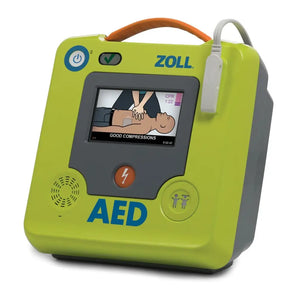
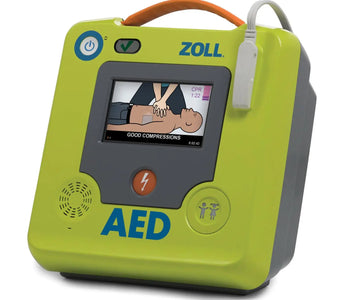
Full-Color Display Technology: While audio prompts are essential, visual guidance helps rescuers in noisy industrial environments or situations where audio alone may not be sufficient. Color displays show exactly what to do at each step.
Pediatric Capability: Modern workplace AEDs can treat both adults and children, essential for businesses that serve families or employ younger workers. The ZOLL AED 3 features a simple pediatric mode toggle rather than requiring separate pediatric pads.
Environmental Ruggedness: Canadian businesses face diverse environmental challenges, from frigid winter temperatures to hot summer conditions, from dusty construction sites to humid manufacturing facilities. Top-tier AEDs are built to function reliably across these extremes.
Long-Life Consumables: Battery and electrode pad longevity directly impacts the total cost of ownership. The ZOLL AED 3 features a five-year battery and pad life, significantly reducing maintenance burden and long-term costs.
Connectivity and Program Management: Some advanced AEDs can connect to Wi-Fi for automated readiness checks and program management, ensuring your device is always rescue-ready without manual inspection.
Why the ZOLL AED 3 Sets the Standard for Canadian Businesses
When Canadian organizations evaluate AED options for workplace deployment, the ZOLL AED 3 consistently emerges as the optimal choice. This isn't mere marketing hyperbole—it's the result of thoughtful engineering specifically addressing real-world business needs.
Unparalleled CPR Guidance Technology
The ZOLL AED 3's standout feature is its Real CPR Help® technology, which provides real-time feedback on chest compression depth and rate. During a cardiac emergency, even trained rescuers often fail to deliver optimal CPR due to stress and physical exhaustion. The ZOLL AED 3 continuously monitors compression quality and provides clear verbal and visual coaching: "Push harder," "Good compressions," or "Release fully."
This matters tremendously in workplace environments where the rescuer may be a colleague with basic training rather than a medical professional. Research demonstrates that real-time CPR feedback significantly improves compression quality and, ultimately, survival rates.
Intuitive Full-Color Display for High-Stress Situations
The ZOLL AED 3's large, full-color display provides clear visual instructions that complement audio prompts. In noisy industrial facilities, busy retail environments, or chaotic emergency situations, visual guidance ensures rescuers know exactly what to do. The display shows:
- Clear images of proper pad placement
- Real-time ECG rhythm display
- Visual CPR feedback with depth gauge
- Step-by-step rescue instructions
- Battery and pad status
This multi-modal communication approach—combining audio, visual, and tactile feedback—accommodates different learning styles and environmental conditions, making the ZOLL AED 3 exceptionally effective across diverse workplace settings.
Simplified Pediatric Treatment
Many Canadian businesses serve families or employ workers of various ages. Traditional AEDs require separate pediatric pads or keys, adding complexity and cost. The ZOLL AED 3 features a simple child mode toggle that instantly adjusts energy delivery for pediatric patients without requiring different pads.
This elegant solution means you're prepared for any cardiac emergency without tracking multiple consumables or making critical decisions about equipment selection during a high-stress situation.
Built for Canadian Environmental Conditions
Canadian businesses face unique environmental challenges. The ZOLL AED 3 is engineered to function reliably across extreme temperature ranges, from frigid winter conditions to hot summer environments. Its IP55 rating provides protection against dust and water ingress, making it suitable for construction sites, manufacturing facilities, outdoor venues, and other demanding environments.
The device's rugged construction withstands the drops, bumps, and rough handling that can occur during emergency response, ensuring it functions when needed most.
Five-Year Consumable Life Reduces Total Cost of Ownership
AED ownership involves ongoing costs for battery and electrode pad replacement. The ZOLL AED 3's five-year battery and pad life (when using CPR Uni-padz™) represents the longest consumable life available in the AED market. This dramatically reduces:
- Replacement part costs over the device's lifetime
- Administrative burden of tracking expiration dates
- Risk of expired consumables during emergencies
- Total cost of ownership compared to competitors
For organizations managing multiple AEDs across various locations, this simplified maintenance approach translates to significant time and cost savings while improving overall program reliability.
Comprehensive Data Capture for Continuous Improvement
Every cardiac emergency represents an opportunity for learning and improvement. The ZOLL AED 3 captures comprehensive event data, including:
- Complete ECG recording throughout the incident
- Detailed CPR quality metrics
- Shock delivery information and energy levels
- Timeline of all events and interventions
- Audio recording of the entire rescue (when enabled)
This data proves invaluable for incident review, quality improvement, and—if necessary—legal documentation. It also supports debriefing with emergency responders and medical directors to continuously improve your workplace emergency response program.
Wi-Fi Connectivity for Automated Program Management
The ZOLL AED 3 BLS offers optional Wi-Fi connectivity that automatically reports device status to ZOLL's RescueNet® Code Review software. This means your AED program coordinator receives automatic notifications about:
- Battery status and expiration
- Electrode pad expiration
- Self-test failures or device issues
- Rescue event data for review
This automated monitoring eliminates manual inspection burden while ensuring your AEDs remain rescue-ready. For multi-site organizations managing dozens or hundreds of AEDs, this connectivity represents a transformative improvement in program management efficiency.
Why AED.ca Is Canada's Premier AED Provider
Selecting the right AED is only half the equation—partnering with a knowledgeable, reliable Canadian supplier ensures your workplace emergency preparedness program succeeds long-term.
Deep Canadian Market Expertise
AED.ca isn't just another medical device retailer—we're Canadian AED specialists with comprehensive understanding of provincial regulations, workplace safety requirements, and the unique challenges Canadian businesses face. Our team stays current on evolving legislation like Ontario's construction site AED mandate, helping you navigate compliance requirements specific to your industry and province.
Unlike international suppliers who may not understand Canadian laws, provincial health and safety regulations, or bilingual requirements, AED.ca provides expertise grounded in Canadian workplace reality.
Comprehensive Product Selection from Leading Manufacturers
While we enthusiastically recommend the ZOLL AED 3 for most business applications, we recognize that different organizations have different needs. AED.ca carries a comprehensive range of AED models from all major manufacturers, including:
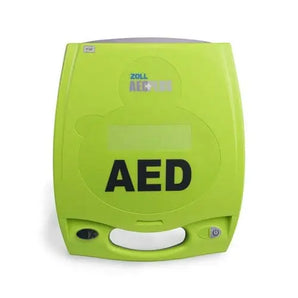
- ZOLL (AED 3, AED Plus)
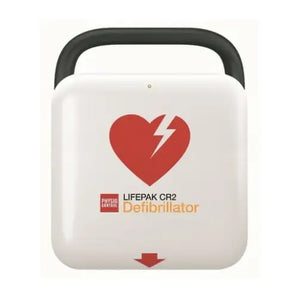
- Physio-Control LIFEPAK CR2
- Cardiac Science (Powerheart)
- HeartSine (Samaritan PAD)
Our AED specialists help you evaluate options based on your specific environment, budget, user training level, and long-term program goals—never pushing products you don't need.
Beyond the Device: Complete Program Support
Successful workplace AED programs extend far beyond purchasing a device. AED.ca provides comprehensive support including:
Training Coordination: We connect you with certified instructors for CPR and AED training throughout Canada, ensuring your team is prepared and confident.
Program Management Services: Our AED program management solutions help you track device inspections, consumable expiration dates, training certifications, and compliance requirements across single or multiple locations.
Accessories and Supplies: We stock a complete range of replacement batteries, electrode pads, cabinets, signage, and other accessories to support your program.
Post-Deployment Support: Our customer service team provides ongoing technical support, troubleshooting assistance, and replacement part guidance throughout your AED's lifetime.
Trade-In and Upgrade Programs: As AED technology evolves, we offer trade-in programs to help you upgrade to newer models while maximizing value from your existing investment.
Fast, Reliable Canadian Shipping
When you need AED replacement supplies or emergency equipment, delays aren't acceptable. AED.ca maintains comprehensive inventory in Canada, ensuring fast shipping across all provinces without international customs delays or unexpected brokerage fees.
Our logistics network ensures that whether you're in downtown Toronto, rural Saskatchewan, or remote northern communities, you receive reliable delivery when you need it.
Competitive Canadian Pricing
We understand that Canadian businesses operate within budget constraints. AED.ca offers competitive pricing on all equipment while never compromising on product quality, customer service, or ongoing support. Our pricing is transparent, with no hidden fees or surprise charges.
For organizations requiring multiple AEDs, we offer volume pricing and flexible payment options including purchase, rental, and lease-to-own programs that align with various budget scenarios.
Commitment to Canadian Communities
AED.ca actively supports Canadian cardiac emergency preparedness beyond commercial transactions. We donate AEDs to worthy charities, non-profit organizations, and community groups that might otherwise lack access to life-saving technology. Our commitment to improving cardiac arrest survival rates extends throughout Canadian communities, not just to paying customers.
Implementing an Effective Workplace AED Program
Purchasing an AED represents an important first step, but creating a truly effective workplace emergency preparedness program requires thoughtful planning and ongoing commitment.
Conducting a Workplace AED Needs Assessment
Before selecting equipment, assess your specific organizational requirements:
Facility Size and Layout: How large is your workplace? Are there multiple floors, buildings, or outdoor areas? The goal is ensuring an AED can be retrieved and deployed within three to five minutes from anywhere in your facility.
Employee and Visitor Population: How many people are typically present? Higher occupancy increases the statistical likelihood of cardiac emergencies and may warrant multiple AED units.
Physical Demands and Cardiac Risk Factors: Does your workplace involve strenuous physical activity? Are employees exposed to extreme temperatures? Do you serve elderly populations or individuals with known cardiac risk factors? These considerations influence both the number and placement of AEDs.
Existing Emergency Response Capabilities: What emergency response resources are currently available? How quickly can emergency medical services typically reach your location? Rural and remote businesses may need more comprehensive on-site capabilities.
Regulatory Requirements: Does your industry or province mandate workplace AEDs? Understanding compliance obligations helps ensure your program meets all legal requirements.
Strategic AED Placement for Maximum Effectiveness
Proper AED placement dramatically influences survival outcomes. Consider these principles:
The Three-Minute Rule: Position AEDs so that anyone can retrieve one and return to the victim within three minutes maximum—preferably faster.
High-Traffic and High-Risk Areas: Place AEDs near areas where cardiac events are most likely (fitness facilities, cafeterias) and where many people congregate (lobbies, break rooms).
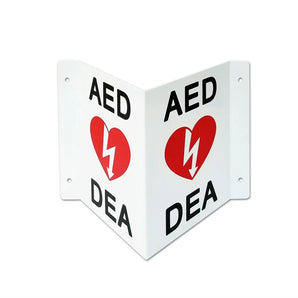
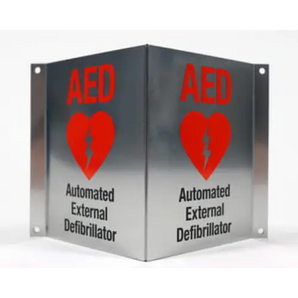
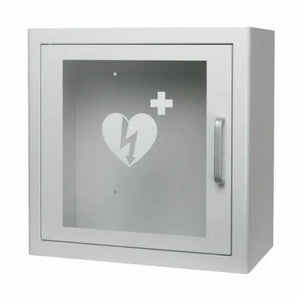
Accessibility and Visibility: AEDs should be clearly marked with signage visible from multiple directions. Wall-mounted cabinets with clear markings work well in most environments.
Environmental Protection: While modern AEDs like the ZOLL AED 3 are rugged, protect them from extreme conditions when possible. Climate-controlled wall cabinets work well in warehouses and outdoor locations.
Multiple Floors and Buildings: Large facilities require multiple AEDs. Don't expect rescuers to run up and down stairs or across parking lots—position devices throughout the property.
Mobile Considerations: Some businesses benefit from portable AEDs that can be quickly grabbed and taken to outdoor work areas, construction sites, or sporting fields.
Building a Trained Response Team
AEDs are designed for use by people without medical training, but providing formal CPR and AED certification dramatically improves response effectiveness and rescuer confidence.
Identify Response Champions: Designate specific individuals as first responders responsible for AED deployment. Ensure coverage across all shifts and work areas.
Provide Comprehensive Training: Arrange certified CPR and AED training through organizations like the Heart and Stroke Foundation, Red Cross, or other accredited providers. Ensure training covers:
- Recognition of sudden cardiac arrest
- Activation of emergency response (calling 911)
- High-quality chest compressions
- Proper AED use including pad placement
- Team coordination during multi-rescuer response
- Post-rescue procedures
Regular Refresher Training: CPR and AED certifications typically last two years, but more frequent refresher training improves retention and confidence. Consider annual updates even when not required.
Practice Drills: Conduct periodic cardiac emergency drills to ensure rescuers can locate AEDs quickly, work together effectively, and follow your emergency response plan under pressure.
Encourage Broader Participation: While designating specific responders provides accountability, encourage all employees to receive CPR and AED training. The more trained individuals available during an emergency, the better the outcome.
Creating a Comprehensive Emergency Response Plan
A documented emergency response plan ensures consistent, effective action during cardiac emergencies:
Clear Chain of Command: Identify who takes charge during emergencies and how roles are assigned when multiple rescuers are present.
Communication Protocols: Establish how emergencies are reported, how additional help is summoned, and how emergency medical services are notified. Consider PA systems, emergency phone numbers, and mobile communication devices.
AED Location Documentation: Create maps and signage clearly showing AED locations throughout your facility. Ensure all employees know where to find the nearest AED.
Coordination with EMS: Establish relationships with local emergency medical services. Some jurisdictions appreciate advance notification of workplace AED locations, and many offer valuable guidance on emergency response planning.
Post-Event Procedures: Define who reports AED use to management, how event data is downloaded and reviewed, how AED supplies are replaced, and how rescuers receive psychological support after traumatic events.
Regular Plan Review: Emergency response plans should be living documents reviewed and updated regularly as your workplace evolves.
Ongoing AED Maintenance and Program Management
Even the most sophisticated AED program fails if devices aren't maintained and rescue-ready.
Regular Inspections: Conduct monthly AED inspections to verify:
- Status indicator shows "ready" or "OK"
- No visible damage to device or accessories
- Electrode pads remain sealed and within expiration date
- Battery indicator shows adequate charge
- AED cabinet or storage location remains accessible
Expiration Tracking: Maintain a tracking system for battery and electrode pad expiration dates. Replace consumables before expiration to ensure rescue readiness. Consider AED.ca's program management services to automate this tracking.
Post-Use Replacement: After any AED deployment—even if no shock was delivered—electrode pads must be replaced. Document the event, download data if possible, and immediately restore the AED to service with fresh supplies.
Self-Test Monitoring: Modern AEDs conduct automatic self-tests (daily, weekly, or monthly depending on model). Pay attention to any status indicators suggesting device issues and address problems immediately.
Environmental Considerations: Protect AEDs from temperature extremes when possible, and verify that devices stored in harsh conditions remain within their operating specifications.
Software Updates: Some AED manufacturers release software updates to align with evolving resuscitation guidelines. Stay informed about updates relevant to your devices.
Measuring Program Success and Continuous Improvement
Effective workplace AED programs embrace continuous improvement through regular evaluation:
Incident Review: After any AED deployment, conduct thorough incident review examining response time, CPR quality, shock delivery, coordination among rescuers, and opportunities for improvement.
Training Effectiveness Assessment: Evaluate whether your training program adequately prepares rescuers for real-world emergency response. Consider hands-on practice scenarios and competency assessments.
Program Compliance Audits: Regularly verify that your AED program remains compliant with provincial regulations, manufacturer recommendations, and your own policies and procedures.
Rescuer Feedback: Solicit input from individuals who've participated in emergency response about what worked well and what could be improved.
Stay Current on Best Practices: Cardiac resuscitation science evolves continuously. Stay informed about updated guidelines from organizations like the Heart and Stroke Foundation and Resuscitation Council Canada.
Provincial Perspectives: AED Requirements Across Canada
While workplace AED requirements vary significantly across Canadian provinces, the trend toward mandatory deployment in high-risk environments continues to accelerate.
Ontario: Leading the Way in Construction Site Requirements
Ontario has established itself as a Canadian leader in workplace AED legislation. As of 2025, construction sites with 20 or more workers must have AEDs readily accessible. This groundbreaking requirement recognizes the elevated cardiac arrest risk in construction environments and the reality that remote job sites often experience delayed emergency medical response.
The Workplace Safety and Insurance Board (WSIB) offers reimbursement programs to help constructors offset AED costs, demonstrating government commitment to supporting this important safety initiative.
Quebec: Evolving Workplace Safety Standards
Quebec's occupational health and safety regulations don't currently mandate workplace AEDs broadly, but the province has been actively discussing enhanced cardiac emergency preparedness requirements. Many Quebec businesses proactively deploy AEDs recognizing both their life-saving potential and positive impact on workplace safety culture.
British Columbia: Public Access Focus
British Columbia has focused AED deployment efforts primarily on public access locations rather than workplace-specific mandates. However, WorkSafeBC encourages employers to assess cardiac arrest risks and implement appropriate emergency response capabilities, including AEDs where warranted.
Alberta, Saskatchewan, and Manitoba: Voluntary but Encouraged
Prairie provinces generally take a voluntary approach to workplace AEDs while strongly encouraging deployment in high-risk environments. Occupational health and safety guidelines in these provinces emphasize employer responsibility to provide appropriate emergency response capabilities based on workplace-specific risk assessments.
Atlantic Canada: Growing Awareness and Adoption
Maritime provinces have seen increasing workplace AED adoption driven by heightened awareness of sudden cardiac arrest risks and growing emphasis on comprehensive emergency preparedness. While broad mandates remain uncommon, many industries and employers proactively deploy AEDs.
The Pan-Canadian Trend Toward Enhanced Cardiac Emergency Preparedness
Regardless of current provincial requirements, Canadian workplace AED deployment continues accelerating. Forward-thinking employers recognize that waiting for regulatory mandates means accepting preventable tragedies. As Ontario's construction site requirements demonstrate positive outcomes, other provinces will likely follow with expanded workplace AED legislation.
The Return on Investment: Quantifying AED Value in Business Settings
While the primary value of workplace AEDs lies in their life-saving potential, organizations increasingly recognize meaningful returns on investment across multiple dimensions.
Direct Life-Saving Impact
The most important ROI calculation is straightforward: what is a human life worth? When an AED saves a colleague, customer, or visitor from sudden cardiac arrest, the value is literally immeasurable. That person continues contributing to their family, community, and society. They avoid disability costs, lost productivity, and years of life lost.
From a purely economic perspective, workplace deaths impose enormous costs: lost human capital, recruitment and training of replacements, increased insurance premiums, potential litigation, and devastating impacts on workplace morale and productivity. An AED program that prevents even one death generates returns far exceeding its modest investment.
Risk Mitigation and Legal Protection
Canadian employers operate under "duty of care" obligations requiring reasonable steps to protect workers, customers, and visitors. While specific AED requirements remain limited, courts increasingly consider workplace emergency preparedness when evaluating employer liability after cardiac emergencies.
An organization that has proactively deployed AEDs, provided training, and implemented comprehensive emergency response plans demonstrates due diligence far exceeding minimum legal requirements. This documented commitment to safety provides important protection should tragic outcomes occur despite best efforts.
Provincial Good Samaritan laws protect individuals who provide emergency assistance including AED use, but these protections are strongest when the rescuer operates within an established, well-managed workplace program. The legal protections and risk mitigation benefits of comprehensive AED programs represent tangible value for risk-conscious organizations.
Insurance Premium Considerations
While direct insurance premium reductions for workplace AED programs aren't universal, many insurers view comprehensive emergency preparedness favorably when assessing risk profiles and setting premiums. Organizations with documented safety programs—including AED deployment—may negotiate better terms than comparable businesses without such commitments.
More importantly, preventing cardiac arrest fatalities avoids the workers' compensation claims, disability costs, and legal expenses that can dramatically impact long-term insurance costs.
Enhanced Workplace Culture and Employee Retention
Canadian workers increasingly evaluate employers based on authentic commitment to employee welfare. Workplace AED programs send powerful messages that leadership genuinely values human life beyond mere regulatory compliance.
Organizations known for exceptional safety programs attract superior talent and experience better employee retention. In competitive labor markets, this reputation advantage translates to measurable recruitment cost savings and productivity benefits from reduced turnover.
Customer and Client Confidence
For businesses serving the public—fitness facilities, shopping centers, corporate campuses, entertainment venues, and hospitality establishments—visible AED programs demonstrate responsible stewardship. Customers notice and appreciate organizations that prioritize their safety.
This reputation enhancement can influence customer loyalty, word-of-mouth referrals, and brand perception in meaningful ways. While difficult to quantify precisely, these intangible benefits contribute to overall business success.
Community Leadership and Social Responsibility
Organizations that invest in workplace AEDs often extend their commitment to broader community cardiac emergency preparedness. Hosting public CPR and AED training, donating equipment to community organizations, and partnering with emergency services positions businesses as community leaders genuinely committed to social responsibility.
This leadership enhances corporate reputation and strengthens community relationships in ways that support long-term business success while contributing to genuinely valuable public health outcomes.
Taking Action: Next Steps for Canadian Businesses
Understanding the critical role of AEDs in workplace health and safety is the first step. Implementing an effective program requires deliberate action.
Immediate Actions for Organizations Without AEDs
If your workplace doesn't currently have an AED, take these steps immediately:
- Conduct a Risk Assessment: Evaluate your workplace cardiac arrest risk based on employee demographics, physical demands, facility layout, and EMS response times.
- Research Provincial Requirements: Understand whether your industry, location, or business type falls under any AED mandates.
- Consult with AED.ca: Connect with our Canadian AED specialists to discuss your specific needs, evaluate equipment options, and develop an implementation plan aligned with your budget and timeline.
- Secure Budget Approval: Present the business case for workplace AEDs to decision-makers, emphasizing life-saving potential, legal considerations, and positive ROI across multiple dimensions.
- Select Appropriate Equipment: Based on your assessment and expert guidance, choose AED models appropriate for your environment—for most Canadian businesses, the ZOLL AED 3 offers optimal capabilities and value.
- Plan Deployment Logistics: Determine optimal AED placement, cabinet or storage requirements, signage needs, and program management approach.
- Arrange Training: Schedule CPR and AED certification for designated first responders before equipment arrives, ensuring your team is ready to act.
- Implement Your Program: Install AEDs, conduct staff orientation, establish inspection and maintenance procedures, and integrate cardiac emergency response into your broader workplace safety program.
Enhancement Actions for Organizations With Existing AEDs
If your workplace already has AEDs, consider these program improvements:
- Conduct a Program Audit: Evaluate whether your current program meets best practices for equipment selection, placement, maintenance, training, and emergency response planning.
- Assess Equipment Age and Capability: Older AED models lack advanced features like real-time CPR feedback that dramatically improve outcomes. Consider upgrading to modern devices like the ZOLL AED 3.
- Verify Training Currency: Ensure all designated responders maintain current CPR and AED certifications. Consider expanding the number of trained individuals.
- Review Emergency Response Plans: Update plans to reflect organizational changes, personnel turnover, and evolving best practices.
- Implement Program Management Tools: Consider automated tracking solutions for device inspections, consumable expiration dates, and training certifications.
- Conduct Emergency Drills: Practice cardiac emergency response through realistic scenarios that test your plan and identify improvement opportunities.
- Stay Informed: Subscribe to updates from AED.ca and other Canadian cardiac emergency preparedness resources to remain current on evolving technology, regulations, and best practices.
Conclusion: The Power to Save Lives Starts With Preparedness
Sudden cardiac arrest strikes without warning, transforming ordinary workdays into life-or-death emergencies in seconds. For every minute without defibrillation, survival chances decrease by 10%—a brutal reality that makes workplace emergency preparedness not just advisable but essential.
Canadian businesses that deploy AEDs, train their teams, and implement comprehensive emergency response programs hold the power to transform statistics. When CPR is performed immediately and an AED is used within the first few minutes, survival rates can increase dramatically to 70% or higher—a remarkable improvement that represents the difference between tragedy and triumph.
The choice of equipment matters tremendously. The ZOLL AED 3 represents the pinnacle of workplace AED technology, combining real-time CPR feedback, intuitive visual guidance, simplified pediatric treatment, environmental ruggedness, and exceptional long-term value. Its sophisticated features ensure optimal outcomes even when operated by minimally trained rescuers under extreme stress.
Equally important is partnering with a knowledgeable Canadian supplier who understands your unique challenges and regulatory environment. AED.ca brings deep expertise in Canadian workplace safety requirements, comprehensive product selection from all major manufacturers, complete program support extending far beyond device sales, and unwavering commitment to improving cardiac arrest survival rates across Canadian communities.
The question isn't whether your organization can afford to implement a workplace AED program—it's whether you can afford not to. When sudden cardiac arrest strikes your workplace, will you have the tools and training to save a life? Or will you face the profound regret of knowing that simple preparedness could have prevented tragedy?
The power to answer that question lies in the decisions you make today. Every Canadian workplace should be prepared to respond effectively to cardiac emergencies. The lives you save may include colleagues, customers, visitors—or even yourself.
Ready to Protect Your Workplace With Canada's Best AED Solution?
Contact AED.ca today to discuss your workplace AED needs:
- Phone: Call us today @ 1-833-428-3233 for personalized guidance
- Website: Visit AED.ca to explore the ZOLL AED 3 and other leading AED solutions
- Request a Quote: Get competitive pricing tailored to your organization's requirements
- Arrange Training: Connect with certified instructors throughout Canada
- Program Management: Learn about our comprehensive AED program support services
Don't wait for tragedy to strike. Protect your people, fulfill your duty of care, and join leading Canadian organizations that prioritize comprehensive cardiac emergency preparedness. The ZOLL AED 3 from AED.ca represents the smartest investment you can make in workplace safety—because when seconds count, you'll have the technology and confidence to save a life.