Saving Lives One Automated External Defibrillator at a Time
When someone suffers sudden cardiac arrest in Toronto, every second counts. With approximately 2,000 sudden cardiac arrests every year in the city of Toronto, many of them happening in public places, the need for accessible automated external defibrillators (AEDs) has never been more urgent.
Currently, Toronto faces a stark reality: AEDs are used in 3% of OHCA cases in Toronto, compared to 20% in Seattle, where survival rates are double those in Toronto. This alarming disparity highlights a critical gap in our city's emergency response infrastructure that demands immediate attention.
Understanding AEDs: The Life-Saving Technology Toronto Needs
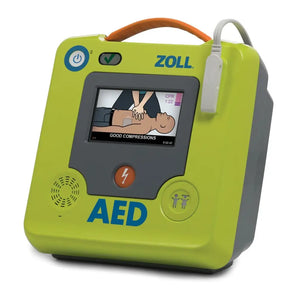
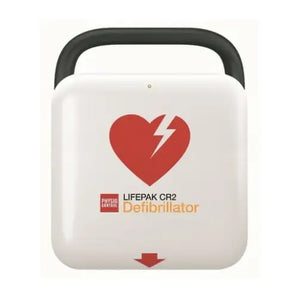
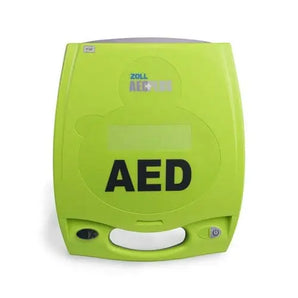
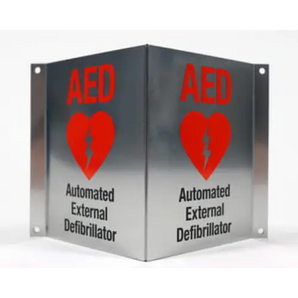
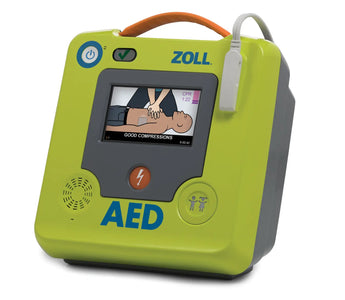
An AED (automated external defibrillator), often referred to as an AED automated defibrillator or AED defib, is a portable electronic device that automatically diagnoses and treats life-threatening cardiac arrhythmias. These devices are designed to be used by anyone, regardless of medical training, making them invaluable tools for public safety.
When paired with AED and CPR techniques, these devices can dramatically improve survival outcomes. According to the Heart and Stroke Foundation of Canada, the immediate use of an AED along with cardiopulmonary resuscitation (CPR) can increase the chance of survival by 75% or more. Additionally, early CPR and early defibrillation increases cardiac arrest survival up to 75%.
The AED Benefits That Could Transform Toronto's Emergency Response
The AED benefits are clear and compelling. Research demonstrates that when used, portable AEDs achieve successful defibrillation in 90% of appropriate cases. However, these life-saving devices are only effective when they're accessible and properly distributed throughout the community.
The potential impact is enormous. With 10,000 cardiac arrests annually in the workplace, you have the potential to save thousands of lives. Immediate CPR and use of an AED can double, or even triple, survival rates. For Toronto, with its dense population and numerous public spaces, increasing AED availability could mean the difference between life and death for hundreds of residents and visitors each year.
AED Canada: The Current State of Access
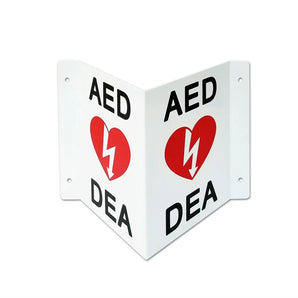
While AED Canada regulations vary by province, Toronto's current deployment falls short of optimal coverage. A small proportion of AEDs in Toronto are registered, creating a dangerous knowledge gap where potentially life-saving devices remain invisible to emergency responders and the public.
The registration issue is particularly concerning because unregistered AEDs cannot be effectively integrated into emergency response systems. When every minute matters in a cardiac emergency, knowing the precise location of the nearest AED can be the crucial factor that saves a life.
Understanding AED Cost: An Investment in Community Safety
One barrier to widespread AED deployment has traditionally been the AED cost. However, current market analysis shows that the cost of an AED typically ranges from $2.000 to $3,000, depending on the brand and features. This price often includes the AED unit and some basic accessories like electrode pads and batteries.
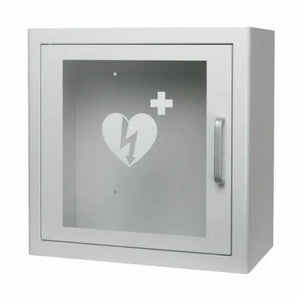
When considered against the invaluable cost of human life, this investment represents exceptional value. Organizations, businesses, and community centers across Toronto should view AED CA (Canadian-approved devices) not as expenses, but as essential safety infrastructure comparable to fire extinguishers or smoke detectors.
The Path Forward: A_E_D Deployment Strategy for Toronto
Toronto needs a comprehensive strategy to increase A_E_D deployment across the city. This should include:
Public Space Priority: High-traffic areas like subway stations, shopping centers, sports facilities, office buildings, and apartments/condominiums should be prioritized for AED placement. These locations see thousands of people daily, making them statistically likely sites for cardiac emergencies.
Community Engagement: Residents and business owners need education about a e d s and their importance. Many people remain unaware that these devices are designed for use by ordinary citizens, not just medical professionals.
Registration Requirements: All AEDs in Toronto should be registered with municipal emergency services and accessible databases. This ensures that 911 dispatchers can direct callers to the nearest available device during emergencies.
Training Integration: AED aed training should be integrated with CPR certification programs, making it standard practice for residents to learn both skills together.
Making Every Second Count
The evidence is overwhelming: Toronto needs significantly more AEDs to match the life-saving capabilities seen in cities like Seattle. With approximately 2,000 cardiac arrests occurring annually in our city, and with current AED usage at only 3% of cases, we're missing opportunities to save hundreds of lives each year.
Every shopping mall, office building, school, apartments/condominiums, and community center represents a potential life-saving station. The technology exists, the training is available, and the AED CA approved devices are readily accessible. What Toronto needs now is the collective will to prioritize this critical public health infrastructure.
The question isn't whether Toronto can afford to invest in more AEDs—it's whether we can afford not to. In a city where thousands face cardiac emergencies each year, ensuring widespread AED access isn't just good policy; it's a moral imperative that could transform our community's ability to respond to medical emergencies and save lives.
When we consider that every properly placed AED has the potential to double or triple someone's chance of survival, the case for expanded deployment becomes clear. Toronto's residents deserve the same level of emergency medical access available in leading cities worldwide. The time to act is now—because when it comes to sudden cardiac arrest, there are no second chances.
To find out how you can help to make a difference by equipping your buildings with AEDs contact Canada's AED company, AED.ca. They offer free consultations and truly care about your safety.
To register your AED in Toronto with EMS/911 go to: https://toronto.trackmyaed.ca/