
Why First Nations, Inuit, and Métis Communities Need AEDs
Across Canada Indigenous communities face a critical healthcare challenge: limited access to life-saving Automated External Defibrillators (AEDs). When cardiac emergencies strike in remote communities, the nearest hospital can be hours away. An AED automated defibrillator can mean the difference between life and death.
The Healthcare Reality
Indigenous populations experience higher rates of cardiovascular disease than other Canadians, yet many communities lack immediate access to defibrillation technology. In remote First Nations communities, Inuit settlements, and isolated Métis regions, emergency response times can exceed 30 minutes. Without an automatic defibrillator on-site, survival rates drop dramatically – approximately 10% for every minute that passes without treatment. With CPR and AED people have over a 70% chance of survival.
How AED Technology Saves Lives
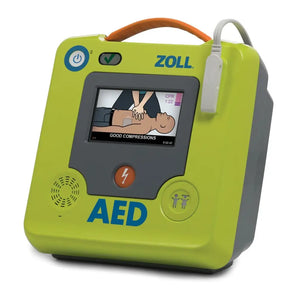
Modern AED machines are designed for public use, featuring clear voice prompts that guide users through life-saving procedures. These automated external defibrillators can talk users through everything from proper automated external defibrillator pads placement to chest compression timing. Formal training is helpful, but is not required to use an AED.
Overcoming Cost Barriers
Many First Nations, Inuit, and Métis community leaders worry about AED defibrillator cost. However, when considering the value of human life and potential emergency evacuation expenses, the investment becomes essential. Emergency medical flights from remote communities can cost tens of thousands of dollars per incident – making AED machines a cost-effective prevention strategy.
For communities looking to buy AED Canada equipment, various options exist from basic models to advanced units. Those seeking buy defibrillator sale opportunities should prioritize suppliers offering comprehensive packages including training and replacement automated external defibrillator pads.
Recommended AED
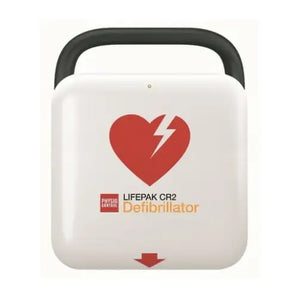
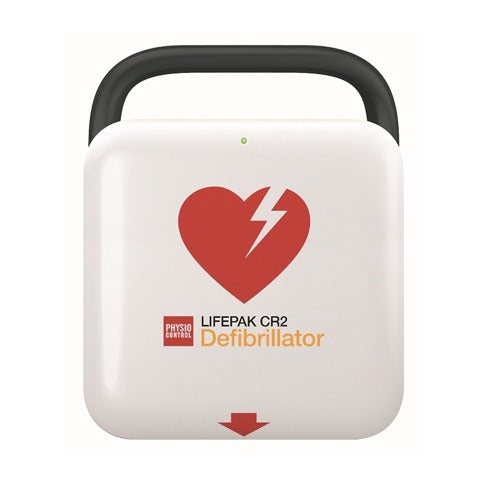
Physio-Control CR2 AED
Reasons why recommend:
-
Ability to switch between adult and child rescue at the press of a button - only one set of pads needed
-
Pads & Batteries both last for your years
-
Fully Bilingual
- Highly resistant to dust and moisture and has an ingress protection (IP) rating of 55. This is among the highest in the industry.
For more information go to:
https://aed.ca/products/stryker-physio-cr2-semi-auto-english-wifi
Why Choose AED.ca
When Indigenous communities decide to buy AED Canada equipment, AED.ca stands out as the preferred supplier. They understand the unique challenges facing remote Indigenous communities and offer:
- Experience working with Indigenous communities
- Excellent product selection
- Ongoing maintenance support
- Ongoing technical consultation
AED.ca's expertise extends beyond equipment sales to include program implementation guidance specifically tailored for Indigenous communities across Canada.
Implementation Success Strategies
Effective AED programs in First Nations, Inuit, and Métis communities require:
Community Engagement: Local leaders, health workers, and community members must be involved from the planning stage.
Strategic Placement: AED equipment should be located in community centers, schools, and gathering places, considering accessibility during harsh weather conditions.
Cultural Integration: Training programs should respect traditional knowledge while incorporating modern life-saving techniques.
Ongoing Support: Regular maintenance of the automated external defibrillator and refresher training ensures long-term program success.
Building Community Resilience
AED programs represent more than medical equipment – they symbolize self-reliance and community investment in health. When First Nations, Inuit, and Métis communities have immediate access to defibrillation technology, it builds confidence and strengthens community resilience.
The psychological impact is significant. Knowing that life-saving equipment is available provides community members with security and often extends to other areas of emergency preparedness.
Technology Advancing Accessibility
Advanced models now include pediatric compatibility, extended battery life for harsh climates, and enhanced durability for challenging Canadian environments.
Taking Action Now
Communities ready to implement AED programs should:
- Assess Needs: Determine optimal placement locations and required number of units
- Select Equipment: Choose reliable suppliers like AED.ca that offer comprehensive support
- Develop Training: Establish sustainable programs with local champions
- Plan Maintenance: Create protocols for regular equipment testing and updates
The Bottom Line
Access to AED technology in First Nations, Inuit, and Métis communities isn't just about healthcare – it's about equity and basic human dignity. Every Canadian community should have access to life-saving medical equipment, regardless of geographic location.
The technology exists, reliable suppliers like AED.ca provide comprehensive support, and funding opportunities can overcome cost barriers. What's needed is collective action to ensure no First Nations, Inuit, or Métis community is left without access to these crucial devices.
For Indigenous communities across Canada, having immediate access to an AED machine represents an investment in community health and self-determination. The time for action is now – lives depend on it.