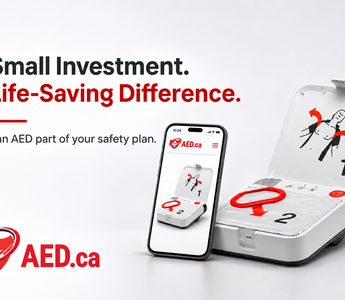
A Critical Investment in Your Safety Plan
Organizations routinely invest in fire extinguishers, first aid kits, security systems, and emergency training. These investments help protect people when something goes wrong.
An automated external defibrillator (AED) belongs in that same conversation.
When evaluating the cost of an AED, the question extends beyond the purchase price: Does your organization have the equipment and plan needed to respond to sudden cardiac arrest during the critical minutes before emergency services arrive?
Why an AED Matters
Sudden cardiac arrest causes the heart to stop pumping blood effectively. It can happen without warning, affecting employees, customers, visitors, and members of the public.
Heart & Stroke estimates that approximately 60,000 out-of-hospital cardiac arrests occur in Canada each year. Performing CPR and using an AED can double a person’s chance of survival.
CPR helps circulate blood to vital organs. An AED analyzes the heart’s rhythm and determines whether a shock is needed. For certain life-threatening rhythms, that shock can help restore a normal rhythm.
A first aid kit cannot provide defibrillation. Having an AED on-site gives people access to an essential intervention while help is on the way.
Understanding the Full Cost of AED Ownership
A meaningful AED cost-benefit analysis considers the complete program—not just the device.
| Cost component | What to consider |
|---|---|
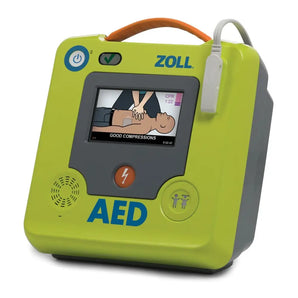
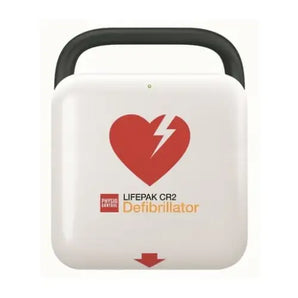
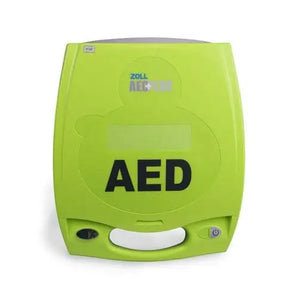
| AED purchase | Device features, suitability for your location, warranty, and support |
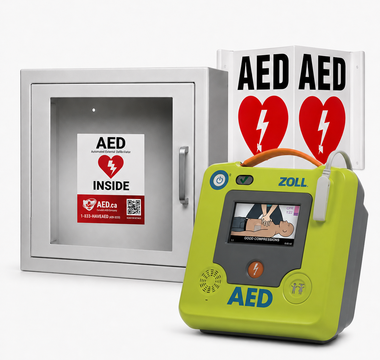
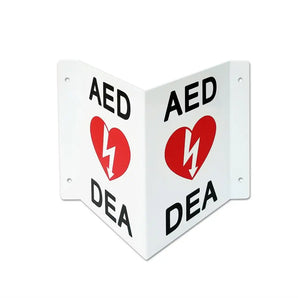
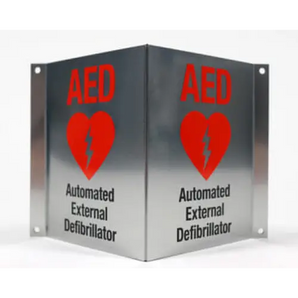
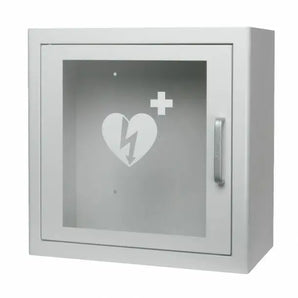
| Installation and accessories | Cabinet or bracket, visible signage, and rescue supplies |
| Replacement pads and batteries | Model-specific expiry dates, replacement prices, and replacement after use |
| Training and drills | Staff familiarity, CPR training, and emergency response practice |
| Inspections and administration | Readiness checks, recordkeeping, expiry tracking, and staff time |
| Professional maintenance | Services included, replacement parts coverage, and ongoing support |
The lowest purchase price does not necessarily mean the lowest overall cost. Compare the device’s ongoing needs and the resources required to keep it ready.
What Does an AED Cost Per Day?
Breaking a safety investment into annual or daily costs can make budgeting easier.
Consider an illustrative example in which an organization budgets $3,000 for an AED, cabinet, signage, and initial setup.
Spread across an eight-year planning period:
-
Annualized initial cost: $375
-
Daily initial cost: approximately $1.03
This example is not a product quote or a statement of device lifespan. Replacement parts, training, maintenance, taxes, and other applicable expenses must be added to calculate the full cost.
The calculation shows how a significant upfront purchase can represent a modest daily investment when planned over several years.
Average annual program cost = total estimated program costs ÷ years in the planning period.
For an accurate budget, request a quote that includes both the initial equipment and ongoing ownership costs. Request a Quote from AED.ca
Evaluating the Benefits Beyond Dollars
An AED’s primary benefit is the opportunity to help save a life. That benefit cannot be reduced to a guaranteed financial return.
However, organizations can assess several practical benefits.
Earlier Access to Defibrillation
An accessible on-site AED may allow bystanders to begin using the device before paramedics reach the person. The time required to enter a building, locate the emergency, and reach another floor or a distant work area matters.
A More Complete Emergency Response
CPR training prepares people to act. An AED provides equipment that complements those skills. Together with a clear response plan, they help turn preparation into action.
Greater Staff Confidence
Knowing where the AED is located and practising emergency roles can reduce uncertainty. Staff should know who will call 911, retrieve the device, begin CPR, and guide emergency responders to the scene.
Clearer Responsibility for Readiness
An organized AED program assigns responsibility for inspections, replacement parts, and documentation. This helps prevent the equipment from being overlooked when staff or responsibilities change.
These benefits support the case for investment, but an AED does not guarantee survival, eliminate liability, or automatically reduce insurance premiums.
Why an AED Is a Critical Part of a Safety Plan
A safety plan should address both the prevention of emergencies and the response when an emergency occurs.
For sudden cardiac arrest, a practical plan should include:
-
Accessible placement: Locate the AED where it can be retrieved quickly during operating hours.
-
Clear signage: Make it easy for employees and visitors to find.
-
Emergency roles: Identify how people will call 911, start CPR, retrieve the AED, and meet responders.
-
Staff awareness: Include the AED’s location and response procedures in orientation.
-
Training and practice: Encourage CPR/AED training and rehearse the response.
-
Readiness checks: Follow the manufacturer’s instructions and address service alerts promptly.
-
Documented maintenance: Track inspections, pad and battery expiry dates, and corrective actions.
AEDs are designed for public use, and a person does not need to be a healthcare professional to operate one. Voice prompts guide the rescuer through the process. Training remains valuable for building confidence and practising CPR.
Simply owning an AED is only the beginning. People must be able to find it, access it, and use it when needed.
Maintenance Protects Your Investment
An AED’s value depends on its readiness. Expired pads, a depleted battery, or an unresolved fault can undermine the purpose of having the device.
Heart & Stroke identifies inaccessible and inadequately maintained AEDs as barriers to effective emergency response.
Organizations can manage their AEDs internally or arrange professional support. Either approach needs clear accountability.
AED.ca’s Full-Service AED Maintenance Plans help organizations manage readiness through annual on-site inspections, pad and battery replacement, digital maintenance records, and technical support. Loaner equipment is also available during servicing or downtime under the plan.
When comparing maintenance options, consider both the service price and the internal staff time required to manage the program.
Make AED Readiness Part of Your Safety Budget
The strongest case for an AED combines a realistic ownership budget with a clear understanding of the emergency it addresses.
Consider your building layout, number of occupants, public access, operating hours, and the time needed to retrieve equipment. Larger properties or multiple buildings may require more than one AED to provide practical coverage.
An AED is a critical piece of a safety plan because it equips people to respond to a life-threatening emergency when every minute matters.
AED.ca helps Canadian organizations select suitable AEDs and plan for ongoing maintenance. Visit AED.ca to explore your options or learn more about our Full-Service AED Maintenance Plans.
About the Author
Martin Andrews is President of AED.ca, a Canadian supplier of automated external defibrillators, accessories, and AED maintenance services. He helps organizations across Canada equip their facilities and maintain AED readiness.