
Understanding the Critical Importance of AEDs in Canadian Communities

Every nine minutes, a Canadian experiences sudden cardiac arrest outside of a hospital setting. With approximately 60,000 out-of-hospital cardiac arrests occurring annually across Canada, understanding automated external defibrillators (AEDs) and their life-saving capabilities has never been more critical. Currently, only one in ten people who experience cardiac arrest outside a hospital survive, but this statistic can dramatically improve with immediate intervention.
What Is an Automated External Defibrillator?
An automated external defibrillator (AED) is a portable, electronic medical device designed to analyze heart rhythms and deliver controlled electrical shocks to restart a heart that has stopped beating effectively. During sudden cardiac arrest (SCA), the heart ceases to pump blood to vital organs, and without immediate intervention, death can occur within minutes.
Modern AEDs are remarkably user-friendly devices featuring:
- Voice-Guided Instructions: Clear, step-by-step audio prompts that guide users through the entire process
- Visual Displays: Diagrams showing proper pad placement and procedure steps
- Automatic Heart Rhythm Analysis: The device independently evaluates whether a shock is necessary
- Safety Features: AEDs will only deliver shocks when appropriate, making them safe for both the victim and rescuer
- Portable Design: Lightweight and compact for easy accessibility in emergency situations
The Science Behind AED Effectiveness: Why Time Matters
The statistics surrounding cardiac arrest survival are sobering yet motivating. When someone experiences sudden cardiac arrest, their survival chances decrease by 7-10% for every minute that passes without defibrillation. After just five minutes without oxygen, brain damage begins to occur, escalating the emergency's urgency.
However, when CPR is combined with AED use within the first 3-5 minutes of cardiac arrest, survival rates can increase dramatically from approximately 10% to over 75%. This represents a sevenfold improvement in survival odds, demonstrating why accessible AEDs are essential components of community safety infrastructure.
CPR and AEDs: A Life-Saving Partnership
While cardiopulmonary resuscitation (CPR) is crucial for maintaining blood flow to the brain and vital organs, it cannot restart the heart. CPR keeps oxygen-rich blood circulating, buying precious time until an AED can deliver the electrical shock needed to restore normal heart rhythm. This is why CPR training and AED access work together as part of the Chain of Survival:
- Recognition and Emergency Call: Identifying cardiac arrest and calling 9-1-1 immediately
- Early CPR: Beginning chest compressions to maintain blood circulation
- Early Defibrillation: Using an AED to restore normal heart rhythm
- Advanced Medical Care: Continuation of treatment by emergency medical services and hospital care
- Recovery Support: Post-cardiac arrest care and rehabilitation
The Current State of Cardiac Arrest in Canada
Recent research from the Heart and Stroke Foundation and the Canadian Resuscitation Outcomes Consortium (CanROC) has revealed that cardiac arrest in Canada is significantly more prevalent than previously estimated. Nearly half of all cardiac arrests occur in individuals under 65 years of age, dispelling the myth that this is primarily a condition affecting only elderly populations.
Geographic and Demographic Disparities
Bystander CPR rates across Canada vary considerably, ranging from 42% to 72% depending on the region. However, the bystander AED rate in public places remains concerningly low at only 13%. This disparity highlights a critical gap in emergency response capabilities.
Rural, remote, and isolated Indigenous communities face particular challenges in accessing emergency medical services and AED technology. Emergency response times in these areas are significantly longer, making the presence of AEDs even more crucial for survival.
Additionally, research has identified gender disparities in resuscitation efforts, with women being less likely to receive public resuscitation than men in cardiac emergencies.
AED Deployment and Accessibility Across Canada
Approximately 20,000 publicly accessible AEDs are currently registered across Canada, though actual numbers may be higher as not all devices are registered with provincial emergency medical services databases. These life-saving devices are strategically placed in:
- Recreational Facilities: Hockey arenas, community centers, and sports complexes
- Public Buildings: Government offices, libraries, and transit stations
- Educational Institutions: Schools, colleges, and universities
- Workplaces: Corporate offices, manufacturing facilities, and retail locations
- Public Spaces: Shopping malls, airports, and convention centers
However, coverage remains uneven. Urban centers have significantly better AED access, with approximately 75% of the urban population having quick access to an AED, compared to only 25% in rural areas. Most cardiac arrests occur in private locations, particularly homes, where AED availability is minimal.
Understanding AED Technology and Features
When selecting an AED for your organization, workplace, or home, several key features distinguish different models:
Semi-Automatic vs. Fully Automatic AEDs
- Semi-Automatic AEDs: Require the user to press a button to deliver the shock after the device advises it's needed
- Fully Automatic AEDs: Deliver the shock automatically once the device determines it's necessary, without user initiation
Leading AED Brands Available in Canada
Health Canada-approved AED suppliers offer devices from trusted manufacturers including:
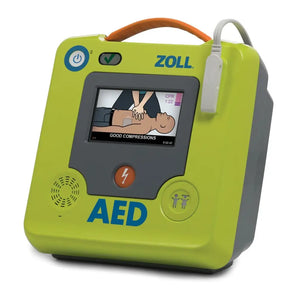
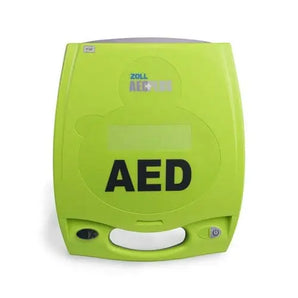
- ZOLL Medical: ZOLL AED 3 and ZOLL AED Plus models feature Real CPR Help® technology that provides feedback on compression quality
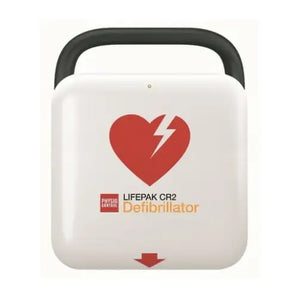
- Physio-Control: LIFEPAK CR2 models with bilingual capabilities (English/French) and WiFi connectivity for automated readiness checks
- HeartSine: Compact, lightweight devices ideal for diverse settings
Advanced AED Features
Modern AEDs incorporate sophisticated technology including:
- CPR Coaching: Real-time feedback on compression depth and rate
- Pediatric Capability: Adjustable energy levels for treating children
- Connectivity: WiFi-enabled devices that automatically report maintenance status
- Environmental Durability: IP ratings for dust and water resistance
- Battery Life: Long-lasting power sources with clear expiration indicators
- Bilingual Prompts: English and French language options for Canadian requirements
Legal Framework and Requirements for AEDs in Canada
Health Canada Regulations
All AEDs sold in Canada must meet Health Canada's strict medical device regulations. Authorized distributors must hold a valid Medical Device Establishment Licence (MDEL), ensuring that only genuine, high-quality devices are available to Canadian consumers.
Provincial Legislation
AED requirements vary by province. Ontario's Bill 141, the Defibrillator Registration and Public Access Act, 2020, was enacted to improve defibrillator registration and public access. This legislation requires certain buildings and facilities to register their AEDs with a provincial database, ensuring emergency services can quickly locate nearby devices.
While occupational health and safety legislation across Canada doesn't universally mandate workplace AEDs, employers are encouraged to conduct hazard assessments to evaluate whether AED installation is appropriate for their specific workplace circumstances. Alberta's OHS legislation, for example, encourages AED use as part of ensuring workplace health and safety.
Good Samaritan Protection
Good Samaritan laws exist across Canada to protect individuals who provide emergency assistance, including AED use, during cardiac arrest situations. These laws encourage bystander intervention by providing legal protection to those acting in good faith to save lives.
How to Use an AED: A Step-by-Step Guide
Using an AED may seem intimidating, but these devices are specifically designed for use by non-medical personnel. The process is straightforward:
- Turn On the AED: Open the device case or press the power button. The AED will immediately begin providing voice prompts.
- Expose the Chest: Remove clothing from the victim's chest and ensure the skin is dry. If necessary, quickly shave excessive chest hair where pads will be placed.
- Apply Electrode Pads: Place the adhesive electrode pads on the victim's bare chest exactly as shown in the diagrams on the pads. One pad typically goes on the upper right chest, the other on the lower left side.
- Allow Analysis: Ensure no one is touching the victim while the AED analyzes the heart rhythm. The device will clearly instruct everyone to stand clear.
- Deliver Shock if Advised: If the AED determines a shock is needed, ensure everyone is clear of the victim and press the shock button (for semi-automatic models) or allow the device to deliver the shock automatically (for fully automatic models).
- Continue CPR: Immediately resume CPR after shock delivery. The AED will continue to provide guidance and will reanalyze the heart rhythm every two minutes.
- Follow AED Prompts: Continue following the device's instructions until emergency medical services arrive and take over care.
AED Maintenance and Preparedness
Proper AED maintenance ensures these life-saving devices function correctly during emergencies. Regular maintenance includes:
Daily and Weekly Checks
- Verify the status indicator light shows the device is ready
- Ensure the AED is in its designated, accessible location
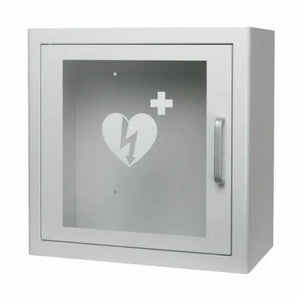
- Confirm the cabinet or case is properly secured but accessible
Monthly Inspections
- Check battery expiration dates and charge levels
- Verify electrode pad expiration dates
- Inspect the device for any physical damage
- Ensure rescue accessories (gloves, razors, scissors) are present
Following Manufacturer Protocols
- Adhere to the maintenance schedule outlined in the device manual
- Keep spare batteries and electrode pads in stock
- Document all maintenance checks and service
- Respond immediately to any device alerts or self-test failures
Registration and Documentation
Register your AED with your provincial emergency medical services database. This ensures that 9-1-1 dispatchers can direct responders to nearby AEDs during emergencies, potentially saving crucial minutes in cardiac arrest situations.
AED Cost Considerations and Investment Value
AED prices in Canada typically range from $2,000 to $2,500, depending on the model and features. Additional ongoing costs include:
- Replacement Electrode Pads: $50-$300 every 2-5 years or after use
- Replacement Batteries: $150-$300 every 2-5 years depending on the model
- AED Cabinets: $300-$1,00000 for basic to heated outdoor cabinets
While this represents a significant investment, the value of an AED extends far beyond its monetary cost. Having an AED available can mean the difference between life and death, and the device's presence provides peace of mind for employees, community members, and families.
Many organizations offer leasing options for bulk AED purchases, making it more affordable for businesses to equip multiple locations. Additionally, some insurance providers offer premium reductions for businesses that install AEDs, recognizing the reduced liability and improved safety.
AED Training: Building Confident Responders
While AEDs are designed to be intuitive, training significantly increases confidence and response effectiveness during actual emergencies. Several organizations across Canada offer comprehensive CPR and AED training:
- Heart and Stroke Foundation of Canada: Trains over half a million Canadians annually
- St. John Ambulance: Offers workplace and community training programs
- Canadian Red Cross: Provides standardized courses across all provinces
- Local Emergency Medical Services: Many municipalities offer community training events
Training courses typically include:
- Recognizing signs of cardiac arrest
- Performing high-quality CPR
- Operating an AED safely and effectively
- Understanding the chain of survival
- Hands-on practice with training devices
Skills can decay as quickly as three months after training, making regular refresher courses important for maintaining competency and confidence.
The National AED Initiative: Canada's Commitment to Cardiac Arrest Survival
The federal government, in partnership with the Heart and Stroke Foundation of Canada, has invested nearly $10 million in placing AEDs in hockey arenas and recreational facilities across Canada. This National Automated External Defibrillator Initiative equipped thousands of facilities with life-saving devices and provided training to attendants and key users.
The initiative prioritized:
- Tier I: Installing AEDs in arenas without any existing device
- Tier II: Replacing older AEDs and equipping larger complexes with additional units
- Tier III: Extending coverage to other high-traffic recreational facilities
This program has significantly improved AED accessibility in communities across Canada, though work continues to extend coverage to underserved areas, particularly in rural and remote regions.
Home AEDs: Personal Protection for High-Risk Families
While most people associate AEDs with public spaces, these devices are also available for home use. Families with members at elevated cardiac risk may consider a home AED, particularly if:
- A family member has a history of heart disease
- Previous cardiac events have occurred
- Diagnosed conditions increase sudden cardiac arrest risk
- The home is in a rural area with long emergency response times
Home AEDs provide the same life-saving capabilities as public devices but are typically packaged with simpler storage solutions and may include additional family-focused educational materials.
Workplace AED Programs: Protecting Your Most Valuable Asset
Forward-thinking Canadian employers increasingly recognize AEDs as essential workplace safety equipment. Implementing a workplace AED program involves:
Risk Assessment
Evaluate factors including:
- Number of employees and daily occupancy
- Age and health profiles of workforce
- Physical demands of work activities
- Distance from emergency medical services
- Historical medical emergency data
Strategic Placement
Position AEDs to ensure:
- No location is more than 3-5 minutes away from an AED
- High-risk areas (gyms, production floors) have priority coverage
- Devices are accessible 24/7 if the facility operates around the clock
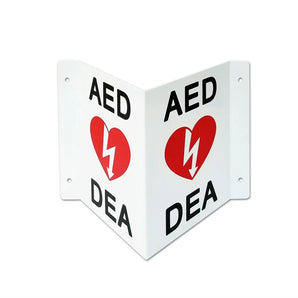
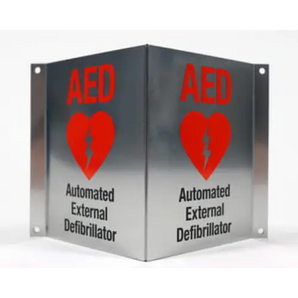
- Clear signage indicates AED locations
Comprehensive Training
Develop a program ensuring:
- Multiple employees on each shift are trained
- Training includes both CPR and AED use
- Regular refresher courses maintain skills
- New employees receive training during orientation
- Emergency response procedures are clearly documented
Ongoing Management
Establish systems for:
- Regular device checks and maintenance
- Battery and pad replacement tracking
- Post-incident device servicing
- Annual program review and updates
- Integration with broader emergency response plans
Technology Innovation: The Future of AED Accessibility
Emerging technologies are transforming cardiac arrest response in Canada:
Connected AED Networks
WiFi-enabled AEDs automatically report their readiness status, ensuring devices are always functional when needed. Cloud-based management systems allow organizations with multiple AEDs to monitor their entire fleet from a central dashboard.
Enhanced CPR Feedback
Next-generation AEDs provide real-time feedback on CPR quality, including:
- Compression depth and rate metrics
- Ventilation effectiveness
- Pause duration between compressions
- Overall CPR quality scores
Building a Safer Canada: Your Role in Cardiac Arrest Response
Creating a Canada where more people survive cardiac arrest requires collective action:
For Individuals
- Learn CPR and AED use through certified training courses
- Know where AEDs are located in your workplace and community
- Don't hesitate to act if you witness a cardiac arrest
- Support AED placement initiatives in your community
- Share cardiac arrest awareness information with friends and family
For Businesses
- Conduct a workplace cardiac arrest risk assessment
- Install appropriate AED coverage based on your facility's needs
- Train employees in CPR and AED use
- Register your AEDs with provincial databases
- Maintain devices according to manufacturer specifications
For Communities
- Advocate for AED installation in public spaces
- Support funding for AED programs in schools and recreational facilities
- Organize community CPR and AED training events
- Ensure AED registries are comprehensive and up-to-date
- Address geographic disparities in AED access
For Healthcare and Emergency Services
- Continue research into cardiac arrest survival factors
- Share data through registries like CanROC
- Provide community education and training
- Develop innovative response strategies
- Support policy development for improved AED access
- Place AEDs in all waiting and common areas on medical facilities
Choosing Your AED Provider: What to Look For
When purchasing an AED in Canada, ensure your supplier meets these criteria:
- Health Canada Authorization: Verify the supplier holds a valid Medical Device Establishment Licence (MDEL)
- Authorized Brand Distribution: Confirm they are authorized distributors for the brands they sell
- Comprehensive Support: Look for providers offering training, maintenance, and consultation services
- Canadian Presence: Choose suppliers with Canadian-based customer service and support
- Complete Solutions: Seek providers offering accessories, replacement parts, and storage solutions
- Warranty and Service: Understand what warranty coverage and service options are included
- Bilingual Capabilities: Ensure devices and support meet Canadian bilingual requirements where necessary
Conclusion: Every Second Counts
Sudden cardiac arrest can strike anyone, anywhere, at any time, regardless of age or apparent health. The difference between survival and death often comes down to seconds and the immediate availability of an AED. With approximately 60,000 Canadians experiencing out-of-hospital cardiac arrest each year and current survival rates at only 10%, there is tremendous opportunity to save more lives.
The evidence is clear: when bystanders perform CPR and use an AED within the first few minutes of cardiac arrest, survival rates can increase to 75% or higher. Every community, workplace, school, and public space that installs an AED and trains people to use it contributes to a safer Canada.
As awareness grows, technology advances, and more Canadians gain the confidence to act during cardiac emergencies, we move closer to the Heart and Stroke Foundation's goal of doubling the cardiac arrest survival rate. Whether you're a business owner evaluating workplace safety, a concerned citizen advocating for community AED programs, or a family member protecting loved ones, your actions matter.
The next cardiac arrest might happen near you. Will you be ready to help? Will the life-saving tools be available? Together, we can ensure the answer is yes.
About AED.ca
AED.ca is Canada's trusted specialist in automated external defibrillators, accessories, and comprehensive cardiac emergency preparedness. We provide Health Canada-approved AED devices from leading manufacturers including ZOLL, Physio-Control, and HeartSine, backed by expert consultation, training support, maintenance services, and ongoing care.
Our mission is building a safer Canada—strengthening communities from coast to coast with effective emergency cardiac response capabilities. We're committed to ensuring that when cardiac arrest strikes, Canadians have access to the equipment, knowledge, and confidence needed to save lives.
Contact AED.ca:
- Website: aed.ca
- Email: info@aed.ca
- Phone: 1-833-HAVE-AED (1-833-428-3233)
For the latest information on AED technology, cardiac arrest statistics, training opportunities, and life-saving products, visit AED.ca. Your preparedness today could save a life tomorrow.