Understanding the Critical Role of AEDs in Canadian Emergency Response
When sudden cardiac arrest strikes, survival depends on a series of critical interventions known as the "Chain of Survival." This internationally recognized framework outlines the essential steps that must occur quickly and efficiently to give victims the best chance of survival. At the heart of this life-saving sequence lies the automated external defibrillator (AED), a device that has revolutionized emergency cardiac care across Canada and worldwide.
Understanding the Chain of Survival
The Chain of Survival consists of four crucial links that must work together seamlessly. Each link represents a critical intervention, and the strength of the entire chain depends on how quickly and effectively each step is executed. The chain of survival includes: early recognition and call for emergency assistance, early CPR, early defibrillation, and post-resuscitation care.
Link 1: Early Recognition and Emergency Response
The first link involves recognizing the signs of sudden cardiac arrest and immediately calling for emergency medical services. This includes identifying unconsciousness, absence of normal breathing, and lack of pulse. Quick recognition and activation of emergency services sets the entire response in motion, ensuring that advanced medical help is on the way while immediate interventions begin.
Link 2: Early CPR (Cardiopulmonary Resuscitation)
Immediate CPR is the second critical link that maintains blood circulation to vital organs, particularly the brain and heart, until defibrillation can be provided. Quality chest compressions and rescue breathing keep oxygenated blood flowing, buying precious time for the next intervention. CPR AED training programs across Canada emphasize the importance of starting compressions within the first few minutes of cardiac arrest.
Link 3: Early Defibrillation - The AED's Critical Role
The third link is where automated external defibrillators prove their life-saving value. During sudden cardiac arrest, the heart often goes into ventricular fibrillation, a chaotic electrical rhythm that prevents effective blood pumping. An AED Canada-approved device analyzes the heart's electrical activity and determines whether a shock is needed to restore normal rhythm.
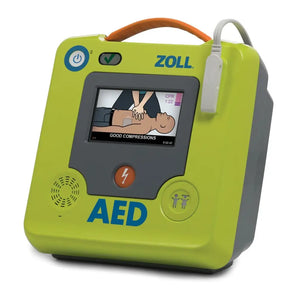
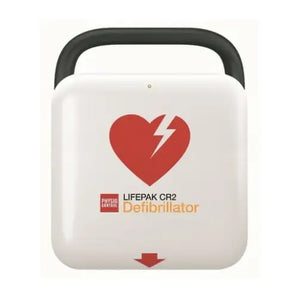
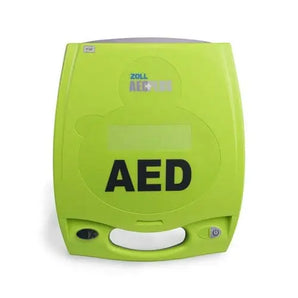
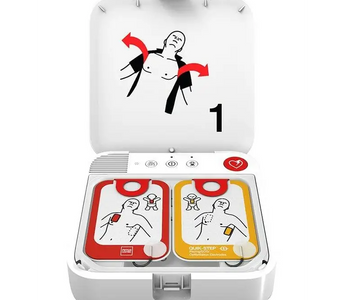
Modern AED machines are designed for use by anyone, regardless of medical training. These portable AED devices provide clear voice instructions and visual prompts, making them accessible to bystanders who may be the first to respond. The automated external defibrillator system eliminates guesswork by automatically analyzing heart rhythms and only delivering shocks when appropriate.
Link 4: Advanced Medical Care and Post-Resuscitation Treatment
The final link involves advanced life support provided by paramedics and hospital medical teams. This includes medication administration, advanced airway management, and comprehensive post-cardiac arrest care that optimizes the chance of meaningful recovery.
Why AEDs Are Essential to the Chain
Automated external defibrillators represent the most critical technological advancement in the Chain of Survival. Here's why AED equipment is so vital:
Time-Critical Intervention: For every minute that passes without defibrillation, survival chances decrease by approximately 10%. AED portable devices allow immediate intervention before emergency medical services arrive, dramatically improving survival odds.
Accessibility: Unlike manual defibrillators that require extensive medical training, AED automated systems are designed for public use. Clear instructions and automated analysis make these lifesaving AED devices accessible to anyone willing to help.
Reliability: Modern AED defibrillator technology is incredibly sophisticated yet user-friendly. These devices continuously self-test, provide audio and visual guidance, and only deliver shocks when medically appropriate.
Widespread Deployment: AED public access programs have placed these devices in schools, offices, shopping centers, airports, and recreational facilities across Canada, creating a network of readily available emergency equipment.
AED Technology: Making Defibrillation Accessible
The evolution of automated external defibrillator technology has made it possible for non-medical personnel to provide advanced cardiac life support. Key features that make modern AED units so effective include:
Automated Rhythm Analysis: AED machines use sophisticated algorithms to analyze heart rhythms and determine whether defibrillation is needed, removing the burden of medical decision-making from the user.
Clear Instructions: Voice prompts and visual displays guide users through each step, from pad placement to CPR coaching, ensuring proper technique even under stress.
Safety Features: AEDs will not deliver a shock unless a shockable rhythm is detected, protecting both the victim and rescuer from accidental harm.
Durability and Reliability: Designed for emergency situations, these devices are built to withstand challenging conditions while maintaining consistent performance.
Strengthening the Chain: AED Program Implementation
To maximize the effectiveness of the Chain of Survival, organizations across Canada are implementing comprehensive AED programs that include:
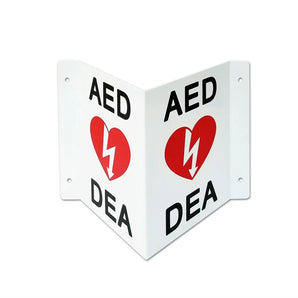
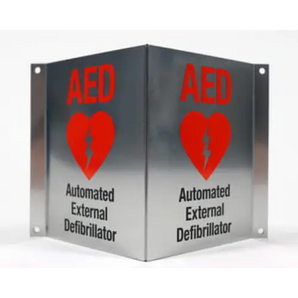
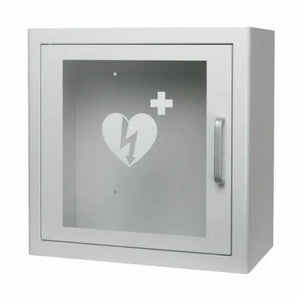
Strategic Placement: Positioning AED portable units in high-traffic areas with clear visibility and accessibility, ensuring rapid deployment when needed.
Training Programs: Providing AED CPR certification that combines automated external defibrillator operation with cardiopulmonary resuscitation techniques.
Maintenance Protocols: Establishing regular check procedures to ensure AED equipment remains functional and ready for emergency use.
Response Procedures: Creating clear protocols that designate who will retrieve and operate the AED while others call for emergency assistance and provide CPR.
The Canadian Context: Public Access Defibrillation
Canada has made significant strides in public access defibrillation, with provinces and territories implementing various initiatives to increase AED availability. AEDs can help save lives. This document talks about AEDs used in public areas. From hockey arenas to shopping malls, the presence of automated external defibrillator devices has become increasingly common, reflecting growing awareness of their importance in the Chain of Survival.
Educational institutions, workplaces, and community organizations are recognizing that having an AED machine on-site, combined with trained personnel, significantly strengthens their emergency preparedness. This proactive approach ensures that when cardiac emergencies occur, all links in the Chain of Survival can be quickly activated.
Breaking Down Barriers to AED Use
Despite their life-saving potential, some barriers still exist to optimal AED utilization:
Fear and Hesitation: Some potential rescuers worry about using an AED incorrectly. Education and training help build confidence by demonstrating how user-friendly these devices are.
Legal Concerns: Good Samaritan laws across Canada provide protection for individuals who use AEDs in emergency situations, encouraging bystander intervention.
Awareness: Continued public education about AED locations and operation helps ensure more people are prepared to act when confronted with a cardiac emergency.
The Future of the Chain of Survival
As AED technology continues to advance, these devices are becoming even more intuitive and effective. Integration with emergency response systems, enhanced coaching features, and improved portability are making automated external defibrillators an increasingly powerful link in the Chain of Survival.
The goal is clear: creating a society where every cardiac arrest victim has access to immediate, effective intervention through a strong Chain of Survival supported by widespread AED availability and public readiness to act.
Taking Action: Strengthening Your Community's Chain
Each link in the chain is crucial for survival. Whether you're responsible for workplace safety, school emergency preparedness, or community health initiatives, investing in AED equipment and training strengthens the Chain of Survival for everyone in your care.
The Chain of Survival is only as strong as its weakest link. By ensuring that automated external defibrillators are available, accessible, and that people are trained to use them effectively, we create communities where sudden cardiac arrest doesn't have to mean sudden death. Every AED placed, every person trained, and every emergency response improved makes the entire chain stronger, giving cardiac arrest victims the best possible chance of survival and recovery.
In emergency situations, there's no time to spare. The Chain of Survival, anchored by reliable AED technology and prepared responders, provides the framework for turning a potential tragedy into a story of survival. When every link works together, lives are saved, families stay together, and communities become safer for everyone.
For more information on AEDs and how they are helping to save lives. Contact AED.ca. Canada's AED Company!