Legal Protection and Peace of Mind
When considering the purchase of an Automated External Defibrillator (AED), many Canadians hesitate due to concerns about legal liability, proper usage, and responsibility. Understanding your legal protections under Canadian good samaritan legislation can provide the confidence you need to take this life-saving step.

Legal Protection Under Good Samaritan Laws
One of the most common concerns about owning an AED defib unit is the fear of potential legal consequences. Fortunately, Canadian good samaritan statutes provide comprehensive protection for individuals who act in good faith during medical emergencies. These good citizen laws are specifically designed to encourage bystanders to assist others without fear of litigation.
The good samaritan act in Canada varies by province, but consistently protects those who provide emergency care, including the use of AEDs. This legislation recognizes that the benefits of immediate intervention far outweigh the risks of delayed professional medical response.
Understanding Good Samaritan Lawsuit Protection
The reality is that good samaritan lawsuits are extremely rare in Canada. Good samaritan legislation explicitly protects individuals who:
- Act in good faith during an emergency
- Provide care within their level of training
- Do not act with gross negligence or malicious intent
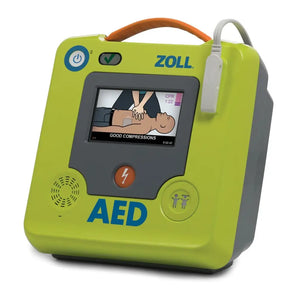
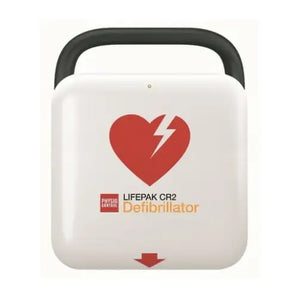
When using an AED defib device, you're protected under these statutes because modern AEDs are designed with built-in safety features that prevent inappropriate shocks. The device analyzes the heart rhythm and only delivers a shock when necessary.
Why AEDs Are Different from Other Medical Interventions
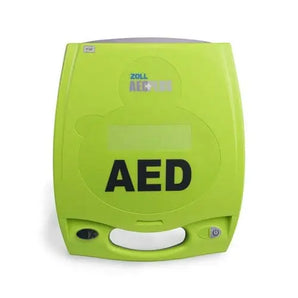
Unlike complex medical procedures, using an A_E_D requires minimal training and carries extremely low risk. These devices are specifically engineered for use by non-medical personnel. The good samaritan statute recognizes this distinction, providing even stronger protection for AED use compared to other emergency interventions.
Key protective factors include:
- Automated Decision Making: The AED determines when a shock is needed, removing human error from the critical decision
- Voice Prompts: Clear instructions guide users through each step
- Safety Features: Multiple safeguards prevent accidental or inappropriate shocks
- Proven Track Record: Decades of successful public AED programs demonstrate their safety
Common Concerns Addressed
"What if I use the AED incorrectly?"
Modern AEDs are designed to be nearly impossible to use incorrectly. The device will not deliver a shock unless it detects a shockable rhythm. Good samaritan legislation protects your good faith efforts to help, even if the outcome isn't perfect.
"What if the person dies despite my efforts?"
Good citizen laws specifically protect against liability for unsuccessful rescue attempts. The focus is on your intention to help, not the outcome. Statistics show that attempting CPR and AED use significantly improves survival rates compared to waiting for emergency services.
"What are my ongoing responsibilities as an AED owner?"
While good samaritan statutes protect emergency use, responsible AED ownership includes:
- Regular maintenance checks
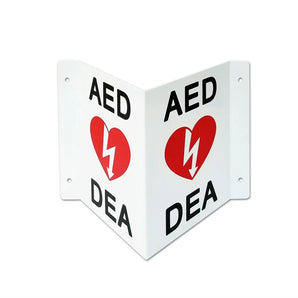
- Ensuring proper placement and accessibility
- Basic familiarity with operation
- Keeping the device in working condition
The Moral and Legal Imperative
Beyond legal protection, owning AEDs represents a commitment to community safety. Every minute of delay during cardiac arrest reduces survival chances by 7-10%. Having an AED defib unit readily available can mean the difference between life and death for family members, employees, or community members.
Making the Right Choice for Your Organization
Whether you're considering AEDs for:
- Workplace safety programs
- Community centers
- Sports facilities
- Residential buildings
- Educational institutions
The combination of legal protection under good samaritan legislation and the life-saving potential makes AED purchase a responsible decision.
Professional Support and Training
At AED.ca, we understand that purchasing your first AED can feel overwhelming. Our team provides:
- Comprehensive training programs
- Ongoing technical support
- Guidance on legal compliance
- Maintenance and replacement services
Conclusion
The fear of legal liability should not prevent you from potentially saving a life. Canadian good samaritan statutes provide robust protection for individuals who use AEDs in emergency situations. Combined with the user-friendly design of modern defibrillators, these legal protections create a framework that encourages, rather than discourages, community involvement in emergency response.
The question isn't whether you can afford to purchase an AED – it's whether you can afford not to. With proper legal protections in place and the knowledge that your actions could save a life, investing in an AED defib unit becomes not just a wise decision, but a moral imperative.
Contact AED.ca today to discuss your AED needs and learn more about how good samaritan legislation protects your commitment to community safety.