
AEDs are Becoming Standard Safety Items
In a groundbreaking move that positions Ontario as a national leader in workplace safety, the province has introduced legislation requiring automated external defibrillators (AEDs) on qualifying construction sites starting January 1, 2026. This historic regulation under the Occupational Health and Safety Act marks a significant step forward in protecting construction workers across the province.
Understanding the New AED Regulation
Starting in 2026, construction projects in Ontario that meet specific criteria must have an AED defibrillator maintained on-site. This requirement applies to any construction project that:
- Employs 20 or more workers at any given time
- Has an expected duration of three months or longer
Importantly, this regulation applies to projects that begin before January 1, 2026, but continue beyond that date. While shorter-duration projects are exempt from the mandate, having an AED Canada unit on-site is still considered a best practice regardless of project length.
Why AEDs Matter on Construction Sites
Construction work is physically demanding and takes place in high-risk environments where cardiac emergencies can occur. Ministry data reveals that over 15% of all workplace inspection reports involving cardiac events occurred in the construction sector. When sudden cardiac arrest strikes, every second counts—and having an AED automated defibrillator readily available can mean the difference between life and death.
The statistics are compelling: when an AED and CPR are used together within minutes of cardiac arrest, survival chances can increase from just 5% with CPR alone to as much as 75%. With each passing minute without defibrillation, a person's chance of survival decreases by approximately 10%.
Financial Support Available
Recognizing that AED cost can be a concern for construction operators, the Ontario government has established a reimbursement program through the Workplace Safety and Insurance Board (WSIB). Eligible businesses can receive up to $2,300 to help offset the AED price, making compliance more accessible for construction companies of all sizes.
The automatic defibrillator cost averages around $2,300, and with this reimbursement program, constructors can recover their investment while ensuring their worksites meet the new legal requirements. This financial support demonstrates the government's commitment to making life-saving equipment accessible across the industry.
Key Compliance Requirements
To meet the new regulation, construction employers must ensure that their AED defibrillator Canada units meet specific standards:
- Licensed Device: The defibrillator must be licensed as a medical device by Health Canada
- Proper Installation: AEDs must be in accessible locations where workers can retrieve and return them within three minutes
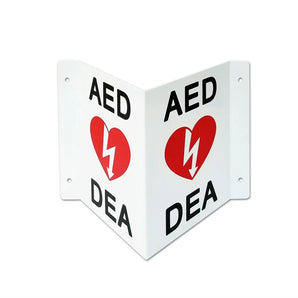
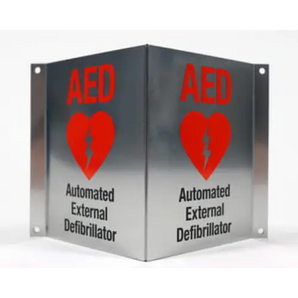
- Clear Signage: Devices must be clearly marked with appropriate signage
- Regular Maintenance: AEDs must be properly maintained and functional at all times
- Multiple Units: Larger or multi-level sites may require additional AEDs to ensure the three-minute accessibility standard
Choosing the Right AED for Your Construction Site
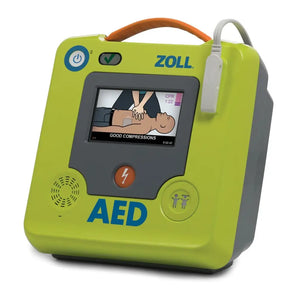
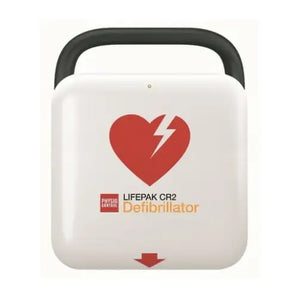
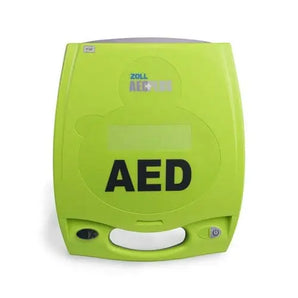
When selecting an automated external defibrillator buy option for your construction site, consider these essential factors:
- Durability: Construction sites require rugged equipment that can withstand harsh conditions
- Ease of Use: Modern AEDs provide step-by-step voice and visual instructions
- Automatic vs. Semi-Automatic: Choose based on your team's comfort level and training
- Weather Resistance: Look for units or cabinets designed for outdoor environments
- Battery Life and Pad Expiration: Consider ongoing maintenance requirements
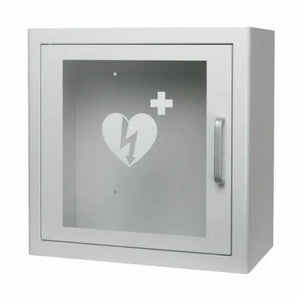
An AED defibrillator cabinet can provide additional protection for outdoor construction environments, ensuring your device remains functional in various weather conditions.
Legal Protection Under Good Samaritan Laws
One common concern about using AEDs is the fear of liability. Fortunately, Ontario workers are protected by comprehensive Good Samaritan legislation. The Good Samaritan Act Ontario and the Chase McEachern Act provide legal protection to individuals who use an AED defib in good faith during an emergency.
These Good Samaritan laws protect rescuers from civil liability when they attempt to save a life using an AED, provided they act reasonably and without gross negligence. There has never been a civil or criminal case in Canada brought against a member of the public who used an AED to try to save a life—making the good samaritan lawsuit risk essentially non-existent.
The Canadian Good Samaritan law ensures that workers who step up to help during a cardiac emergency are protected, encouraging people to act without fear of legal consequences. This is part of broader good citizen law principles that support emergency assistance across Canada.
Training and Preparedness
While AEDs are designed to be user-friendly and can be operated by anyone, even without medical training, proper preparation builds confidence and improves response times. Modern AED automated defibrillator devices guide users through each step with clear audio and visual prompts, and they will not deliver a shock unless it's truly needed—making them virtually foolproof.
That said, AED and CPR training is strongly encouraged and often embedded in first aid programs. Many construction workers already have this training through their first aid certification, giving them the confidence to respond effectively during emergencies.
Taking Action Now
Construction companies should begin preparing for compliance immediately. Here's what you need to do:
- Review Project Timelines: Determine which projects will fall under the new requirement
- Update Safety Procedures: Incorporate AED protocols into your health and safety policies
- Select Your Equipment: Research the best AED ca options for your specific needs
- Plan Installation: Identify optimal locations ensuring three-minute accessibility
- Arrange Training: Provide or enhance first aid and AED training for your workforce
- Document Compliance: Maintain records of purchase, installation, maintenance, and training
- Apply for Reimbursement: Take advantage of the WSIB program to offset costs
Why Choose AED.ca for Your Construction Site Needs
When it comes to ensuring your construction site meets Ontario's new AED requirements, AED.ca is your trusted partner. As Canada's leading provider of automated external defibrillators, AED.ca offers:
- Expert Guidance: Knowledgeable staff who understand the specific requirements for AED defibrillator Canada regulations
- Comprehensive Selection: Wide range of AED models suitable for construction environments
- Competitive Pricing: Transparent AED price Canada options to fit your budget
- Complete Solutions: Everything from the AED unit itself to AED defibrillator pads, cabinets, and signage
- Ongoing Support: Maintenance reminders, replacement pad services, and technical assistance
- Training Resources: Access to training materials and programs to prepare your workforce
- Compliance Expertise: Up-to-date knowledge of Ontario regulations and WSIB reimbursement processes
Whether you're looking to purchase your first automated external defibrillator cost-effective solution or need to expand your existing safety program, AED.ca has the experience and inventory to support your compliance journey.
The Bottom Line on AED Cost and Value
When considering how much does an AED cost, remember that the investment goes far beyond the initial purchase price. An AED represents:
- Life-Saving Potential: The ability to save a coworker's life in a cardiac emergency
- Legal Compliance: Meeting your obligations under Ontario's Occupational Health and Safety Act
- Risk Mitigation: Reducing liability and demonstrating your commitment to worker safety
- Peace of Mind: Knowing your team is prepared for medical emergencies
- Financial Recovery: Access to WSIB reimbursement up to $2,300
With the AED Canada unit cost being fully or largely offset by the WSIB program, there's no financial barrier to compliance—only the opportunity to create a safer workplace.
Looking Ahead
Ontario's requirement for AEDs on construction sites represents a meaningful advancement in workplace safety. By making these life-saving devices mandatory, the province is ensuring that construction workers have access to the emergency equipment they need, when they need it most.
As enforcement begins in 2026, construction companies that act proactively will not only meet their legal obligations but also demonstrate their commitment to worker safety and well-being. With financial support available through WSIB and comprehensive legal protections under the Good Samaritan Act, there's never been a better time to equip your construction sites with this critical safety equipment.
Don't wait until the last minute. Contact AED.ca today to discuss your specific needs, explore your options, and ensure your construction sites are fully prepared for Ontario's new AED requirements. Our team is ready to help you navigate the regulations, select the right equipment, and implement a comprehensive program that protects your workers and ensures full compliance.
Ready to get started? Visit AED.ca to explore our complete range of AED solutions for construction sites, or contact our expert team for personalized guidance on meeting Ontario's 2026 requirements. Your workers deserve the best protection—and we're here to help you provide it.