Understanding AED Legislation in Ontario - A 2025 Year End Update
When seconds count during a cardiac emergency, having immediate access to an automated external defibrillator (AED) can mean the difference between life and death. Ontario's Bill 141, officially known as the Defibrillator Registration and Public Access Act, 2020, represents a landmark piece of legislation designed to enhance public access to these life-saving devices across the province.
The Critical Need for AED Access in Ontario
The statistics surrounding cardiac arrest in Ontario are sobering and underscore the urgent need for improved emergency response infrastructure. Each year, approximately 7,000 Ontarians experience cardiac arrest. Alarmingly, up to 85% of these cardiac arrests occur outside of hospital settings, either at home or in public places. Nearly half of these emergencies are witnessed by family members, friends, or colleagues who may be in a position to provide immediate assistance.
Currently, nine out of ten people who experience cardiac arrest outside a hospital setting do not survive. However, when an AED is used in conjunction with CPR within the first few minutes after cardiac arrest, survival rates can improve by more than 50%. This dramatic improvement highlights why ensuring AEDs are accessible in public spaces is not just a policy priority but a life-saving necessity.
What is Bill 141? Key Provisions Explained
The Defibrillator Registration and Public Access Act, 2020 received Royal Assent and was enacted as Chapter 8 of the Statutes of Ontario, 2020. The legislation establishes comprehensive requirements for AED installation, maintenance, testing, and accessibility across designated public premises throughout Ontario.
Core Requirements Under Bill 141:
Installation Requirements: Owners and operators of designated premises must install AEDs according to regulatory guidelines and ensure they are strategically placed for maximum accessibility during emergencies.
Registration Mandate: All AEDs covered under the Act must be registered with a central registry within 30 days of installation. For AEDs already installed when the regulations come into force, registration must occur within 30 days of that effective date.
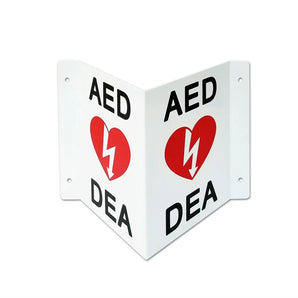
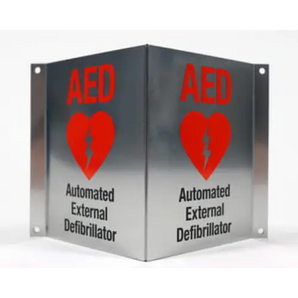
Accessibility Standards: AEDs must be available for use in locations that facilitate easy access, with appropriate signage indicating their location in accordance with regulations.
Maintenance and Testing: Facility owners must ensure all AEDs are maintained and tested according to manufacturer guidelines and any additional prescribed standards to guarantee they remain rescue-ready.
Training Requirements: Prescribed persons must undertake training for AED use according to established training and education guidelines, ensuring staff confidence and competence during emergencies.
Registry Integration: The AED registry will be integrated with emergency services, allowing 911 operators to guide callers to the nearest registered AED during cardiac emergencies.
Current Implementation Status: Where We Stand in 2025
Important Note: While Bill 141 received Royal Assent in 2020, the Act has not yet been fully proclaimed into force. The legislation awaits the finalization and implementation of supporting regulations by the Ontario Ministry of Health, which will define critical details such as which specific premises are designated under the Act, exact registration procedures, and enforcement mechanisms.
According to official sources, the government announced in 2024 that an organization has been selected to manage the AED registry for public premises. The registry rollout is planned to proceed in phases, with urban areas targeted for initial implementation in 2025, followed by gradual expansion to rural communities across Ontario.
As of late 2025, organizations should be preparing for implementation by assessing their AED needs and developing compliance strategies, even as the final regulations are being established.
Which Facilities Will Be Affected?
While the final list of designated premises will be specified in the forthcoming regulations, the legislation is expected to apply to public facilities where people gather, including:
- Community centers and recreation facilities
- Sports arenas and athletic complexes
- Schools and educational institutions
- Government buildings and municipal offices
- Shopping centers and large retail locations
- Entertainment venues and theaters
- Convention centers and conference facilities
- Transit stations and transportation hubs
Understanding Your Compliance Obligations
When the regulations come into effect, facility owners and operators will need to ensure full compliance with several key areas:
AED Selection and Placement: Choose appropriate AED equipment that meets regulatory standards and position devices in accessible locations with clear signage.
Comprehensive Registration: Register all AEDs with the designated registry authority within the specified timeframe, providing accurate location and equipment details.
Ongoing Maintenance: Implement regular maintenance schedules following manufacturer guidelines, conduct periodic testing, and maintain detailed records of all maintenance activities.
Staff Training: Provide AED and CPR training to designated staff members, ensure certification requirements are met, and schedule regular refresher training to maintain readiness.
Record Keeping: Maintain comprehensive documentation of installation, registration, maintenance, testing, and training activities for inspection purposes.
The Life-Saving Impact of Bill 141
The implementation of Bill 141 represents a significant advancement in Ontario's public health and safety infrastructure. By creating a comprehensive system for AED registration, maintenance, and accessibility, Ontario is positioning itself as a Canadian leader in cardiac emergency preparedness.
Expected Benefits Include:
Dramatically Improved Survival Rates: Immediate AED access can double or triple survival chances for sudden cardiac arrest victims, potentially saving hundreds of lives annually across Ontario.
Faster Emergency Response: Integration with 911 services enables operators to direct bystanders to the nearest registered AED, reducing response times when every second counts.
Enhanced Public Safety: Creating a safer environment in high-traffic public spaces gives bystanders the tools and confidence to intervene effectively during cardiac emergencies.
Community Empowerment: Widespread AED availability combined with training programs empowers ordinary citizens to become lifesavers in their communities.
Cost-Effective Healthcare: Early intervention with AEDs can prevent prolonged hospitalization and reduce long-term healthcare costs associated with cardiac arrest complications.
Why AED.ca is Your Trusted Partner for Bill 141 Compliance
As Canada's premier AED provider, AED.ca understands the unique requirements of Bill 141 and offers comprehensive solutions designed to ensure your organization's full compliance with this important legislation.
AED.ca Provides:
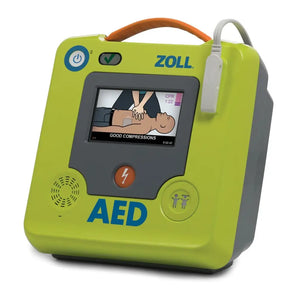
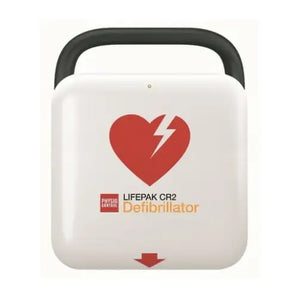
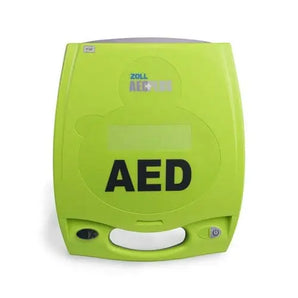
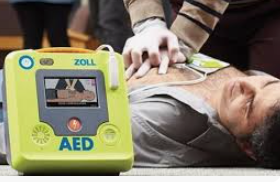
High-Quality Equipment: Access to AED machines from leading manufacturers, including Philips, Cardiac Science, ZOLL, and Defibtech, ensuring reliability when lives are on the line.
Expert Consultation: Over two decades of experience in managing some of Canada's largest AED programs means our passionate AED consultants provide expert guidance tailored to your specific needs.
Full Maintenance and Tracking: Comprehensive maintenance programs and tracking tools that will keep your AEDs remain rescue-ready and compliant with Bill 141 requirements.
Registration Assistance: Expert support with AED registration processes, ensuring you meet all regulatory deadlines and requirements.
Ongoing Support: Dedicated customer service and technical support throughout the lifecycle of your AED program, from initial consultation to long-term maintenance.
Additional Ontario AED Requirements: Construction Sites
Separate from Bill 141, Ontario Regulation 157/25 under the Occupational Health and Safety Act establishes mandatory AED requirements for construction projects. This groundbreaking regulation, coming into effect January 1, 2026, represents the first of its kind in Canada.
Construction projects with 300 or more workers or lasting 12 months or longer must have AEDs on site. Eligible construction companies can receive up to $2,300 from the Workplace Safety and Insurance Board to offset AED costs.
AED.ca supports construction companies with specialized solutions for this sector, ensuring compliance with both workplace safety regulations and best practices for construction site emergency preparedness.
Preparing Your Organization for Bill 141
Don't wait for full enforcement to begin. Organizations should take proactive steps now to ensure readiness:
- Assess Your Needs: Evaluate your facility to determine the number and placement of AEDs required based on size, layout, and occupancy.
- Consult with Experts: Contact AED.ca to discuss your specific requirements and receive tailored recommendations.
- Select Appropriate Equipment: Choose AED models that meet your facility's needs and regulatory requirements.
- Implement Training Programs: Schedule comprehensive AED and CPR training for designated staff members.
- Establish Maintenance Protocols: Set up regular inspection and maintenance schedules to ensure equipment readiness.
- Prepare for Registration: Gather necessary information and documentation to expedite registration when the system launches.
The Heart and Stroke Foundation's Support
The Heart and Stroke Foundation has been a strong advocate for Bill 141, recognizing its potential to significantly improve survival rates for cardiac arrest victims. The organization has commended the passage of this legislation, emphasizing the critical role it will play in emergency response across Ontario.
Looking Ahead: The Future of AED Access in Ontario
As Bill 141 moves toward full implementation, the collaboration between government, healthcare organizations, AED providers, and facility operators will be crucial to realizing the legislation's life-saving potential. Every registered AED represents not just compliance with the law but a beacon of hope for cardiac arrest victims and their families across Ontario.
The phased rollout approach allows for systematic implementation while addressing the unique needs of different communities throughout the province. Urban centers will see initial deployment, followed by expansion to ensure that all Ontarians, regardless of location, have equitable access to life-saving AED technology.
Take Action Today
Cardiac arrest can happen to anyone, anywhere, at any time. With survival rates dropping 7-10% every minute without intervention, being prepared isn't optional—it's essential.
Contact AED.ca today to ensure your organization is ready to meet Bill 141 requirements and, more importantly, to protect the lives of everyone who enters your facility. Our team will help you navigate the requirements, select appropriate equipment, and implement a comprehensive AED program that goes beyond compliance to create a truly safety-focused environment.
Don't wait for an emergency to highlight the need for preparedness. Make your commitment to cardiac emergency readiness today.
Frequently Asked Questions About Bill 141
Q: When will Bill 141 be fully enforced? A: While the Act received Royal Assent in 2020, full enforcement awaits the proclamation of supporting regulations. Implementation is proceeding in phases with urban areas targeted for 2025.
Q: What type of AED do I need for compliance? A: AEDs must be automated external defibrillators that can analyze heart rhythms, determine if defibrillation is needed, and automatically charge and request delivery of electrical impulses. Contact AED.ca for specific recommendations.
Q: Who needs to be trained on AED use? A: Regulations will specify which personnel require training, but best practices suggest training multiple staff members to ensure availability during emergencies.
Q: How much does an AED cost? A: AED prices vary by model and features. AED.ca offers solutions for every budget and can help you find the right equipment for your needs and compliance requirements.
Q: Can the registry help emergency services find my AED? A: Yes, the registry will be integrated with 911 services so operators can direct callers to the nearest registered AED during cardiac emergencies.
About AED.ca
AED.ca is Canada's leading provider of automated external defibrillators, offering comprehensive solutions for organizations across all sectors. With over 20 years of experience and a passionate team of AED experts, we're committed to making life-saving technology accessible and ensuring Ontario organizations are prepared for cardiac emergencies. From equipment selection and installation to training, maintenance, and regulatory compliance support, AED.ca is your trusted partner in cardiac emergency preparedness.
Contact us today to learn how we can help your organization prepare for Bill 141 and create a safer environment for everyone.