There Are Not Enough AEDs in Vancouver
When someone suffers sudden cardiac arrest in Vancouver, every second counts. With approximately 1,600 sudden cardiac arrests occurring in Metro Vancouver each year, many of them happening in public places, the need for accessible automated external defibrillators (AEDs) has never been more urgent.
Currently, Vancouver faces a sobering reality: just 15 per cent survive out-of-hospital cardiac arrests. While this represents improvement from previous years, there remains significant room for advancement when compared to leading cities. This alarming survival rate highlights a critical gap in our city's emergency response infrastructure that demands immediate attention.
Understanding AEDs: The Life-Saving Technology Vancouver Needs
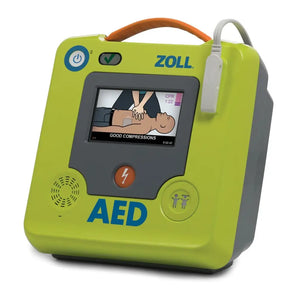
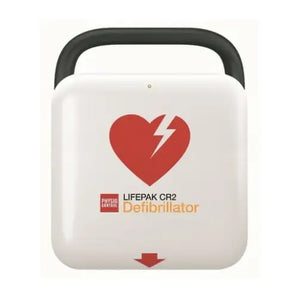
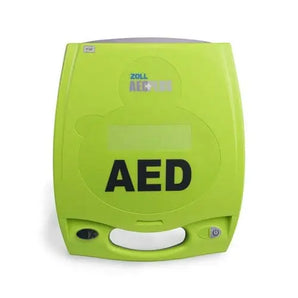
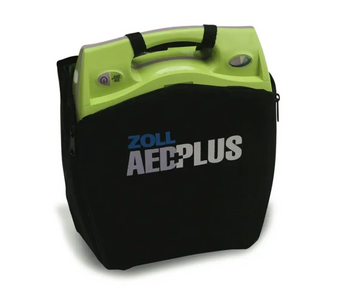
An AED (automated external defibrillator), often referred to as an AED automated defibrillator or AED defib, is a portable electronic device that automatically diagnoses and treats life-threatening cardiac arrhythmias. These devices are designed to be used by anyone, regardless of medical training, making them invaluable tools for public safety.
When paired with AED and CPR techniques, these devices can dramatically improve survival outcomes. According to recent studies in British Columbia, survival rates can increase by 75 per cent if CPR and a defibrillator are used within five minutes. Additionally, CPR, especially if administered immediately after cardiac arrest, can double or triple a person's chance of survival.
The AED Benefits That Could Transform Vancouver's Emergency Response
The AED benefits are clear and compelling based on British Columbia's own data. Research shows that survival at hospital discharge improved from 8.6% in 2006 to 16% in 2016 following prehospital resuscitation improvement initiatives. However, these life-saving devices are only effective when they're accessible and properly distributed throughout the community.
The potential impact for Vancouver is enormous. Analyzing data from 1,600 cardiac arrests outside hospitals in metro Vancouver shows that outcomes vary widely based on where incidents occur. For Vancouver, with its dense population and numerous public spaces, increasing AED availability could mean the difference between life and death for hundreds of residents and visitors each year.
AED Canada: The Current State of Access in BC
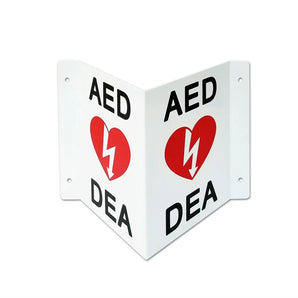
While AED Canada regulations and AED ca deployment initiatives have made progress, Vancouver's current coverage still falls short of optimal levels. There are 38 AEDs in City facilities, according to Vancouver's official records. However, this number appears insufficient given the city's size and the volume of cardiac emergencies.
The province has recognized this gap, with Four hundred and fifty defibrillators, or AEDs, now being installed in public places around the province. This represents significant progress, but Vancouver specifically needs concentrated deployment in high-traffic areas to maximize impact.
Understanding AED Cost: An Investment in Community Safety
One barrier to widespread AED deployment has traditionally been the AED cost. However, current market analysis shows that the cost of an AED typically ranges from $2,000 to $3,000, depending on the brand and features. This price often includes the AED unit, a carrying case, and some basic accessories like electrode pads and batteries.
When considered against the invaluable cost of human life and Vancouver's current 15% survival rate, this investment represents exceptional value. Organizations, businesses, and community centers across Vancouver should view Canadian-approved AEDs not as expenses, but as essential safety infrastructure comparable to fire extinguishers or smoke detectors.
The Path Forward: A_E_D Deployment Strategy for Vancouver
Vancouver needs a comprehensive strategy to increase A_E_D deployment across the city. This should include:
Public Space Priority: High-traffic areas like SkyTrain stations, shopping centers, sports facilities, office buildings, hotels, and restaurants should be prioritized for AED placement. Research shows that 11.1% to 60.9% of all OHCAs occur within an AED-retrievable distance to a school, depending on retrieval method, suggesting strategic placement near schools could significantly improve community outcomes.
Community Engagement: Residents and business owners need education about a e d s and their importance. Many people remain unaware that these devices are designed for use by ordinary citizens, not just medical professionals.
Geographic Targeting: UBC research reveals that outcomes vary widely based on where the incidents take place in Metro Vancouver. This data should inform strategic AED placement to address geographic disparities in survival rates.
Training Integration: AED aed training should be integrated with CPR certification programs, making it standard practice for residents to learn both skills together. Diego Marchese with the Heart and Stroke Foundation says the machines are easy enough for anyone to use in an emergency.
Making Every Second Count
The evidence is compelling: Vancouver needs significantly more AEDs to improve its current 15% survival rate for out-of-hospital cardiac arrests. With approximately 1,600 cardiac arrests occurring annually in Metro Vancouver, and considering the proven potential for 75% improvement in survival rates with early AED use, we're missing opportunities to save hundreds of lives each year.
Every shopping mall, office building, school, community center, and business represents a potential life-saving station. British Columbia's initiative to install 450 AEDs province-wide is a positive step, but Vancouver's dense urban environment requires concentrated deployment to maximize effectiveness.
The question isn't whether Vancouver can afford to invest in more AEDs—it's whether we can afford not to. In a city where 1,600 people face cardiac emergencies each year, ensuring widespread AED access isn't just good policy; it's a moral imperative that could transform our community's ability to respond to medical emergencies and save lives.
When we consider that every properly placed AED has the potential to increase survival rates by up to 75%, the case for expanded deployment becomes clear. Vancouver's residents deserve the same level of emergency medical access available in leading cities worldwide. The time to act is now—because when it comes to sudden cardiac arrest, there are no second chances.
Fore more information on AEDs contact AED.ca today. They are Canada's AED Company!