Bridging the Life-Saving Gap
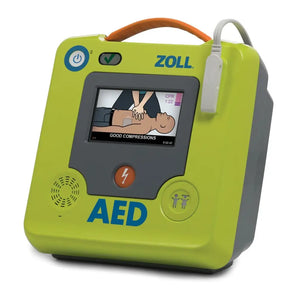
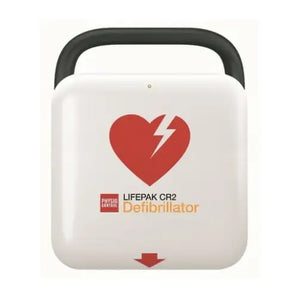
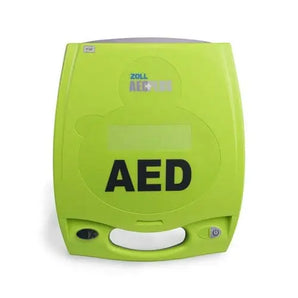
Every 12 minutes, a Canadian experiences sudden cardiac arrest. With over 50,000 cardiac arrests occurring annually across Canada, the urgent need for widespread automated external defibrillator (AED) access has never been more apparent. While these portable, life-saving devices can increase survival rates from less than 10% to over 70%, significant coverage gaps remain throughout the country, particularly in underserved areas where access to emergency medical services may be delayed.
Understanding the Life-or-Death Timeline
Survival rates decrease by 7-10% for every minute without defibrillation, making immediate access to AEDs absolutely critical. Early access to cardiopulmonary resuscitation (CPR) and defibrillation within 1 to 3 minutes after cardiac arrest is vital for survival. This narrow window underscores why strategically placed automated external defibrillators throughout Canadian communities can mean the difference between life and death.
The statistics paint a clear picture: sudden cardiac arrest doesn't discriminate by age, fitness level, or location. It can strike anyone, anywhere, at any time. Having AED equipment readily available in public spaces, workplaces, and community centers significantly improves the chances of survival when emergency medical services may still be minutes away.
Where Canada Needs More AEDs Most
Rural and Remote Communities
Rural areas have significantly lower coverage, with only 25% of the population having quick AED access, compared to urban centers. This disparity is particularly concerning given that emergency response times in rural areas are typically longer, making public access defibrillation even more critical. Remote communities across provinces like Saskatchewan, Manitoba, northern Ontario, and the territories face the greatest challenges in AED accessibility.
Key Priority Areas for AED Deployment:
Northern and Remote Regions:
- Yukon Territory communities
- Northwest Territories settlements
- Nunavut communities
- Northern Ontario and Quebec regions
- Remote British Columbia communities
- Rural Alberta and Saskatchewan towns
Underserved Urban Areas:
- Smaller municipalities without comprehensive AED programs
- Public transit systems lacking adequate coverage
- Community centers and recreational facilities
- Educational institutions from elementary schools to universities
High-Risk Locations:
- Sports facilities and fitness centers
- Shopping centers and malls
- Airports and transportation hubs
- Hotels and conference centers
- Workplaces with aging populations
- Senior living facilities and care homes
Provincial Gaps and Opportunities
While provinces like Manitoba have laws requiring AEDs in certain public spaces, coverage varies significantly across Canada. Urban centers typically have better AED coverage than rural areas, creating dangerous disparities in emergency response capabilities.
Each province faces unique challenges:
- Atlantic Canada: Aging populations in smaller communities need enhanced AED coverage
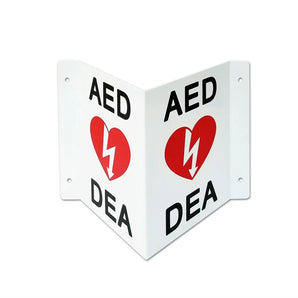
- Quebec: Language-specific training programs and bilingual AED signage requirements
- Ontario: High population density areas requiring more comprehensive coverage - AED Toronto, AED Ottawa, AED GTA, AED Vaughan
- Prairie Provinces: Vast rural areas with limited emergency medical service access
- British Columbia: Mountain communities and remote coastal areas with extended response times - AED Vancouver, AED Victoria, AED Vancouver Island
- Northern Territories: Extreme weather conditions requiring specialized AED maintenance protocols
The Economic and Legal Case for More AEDs
Beyond the moral imperative to save lives, organizations investing in AED programs demonstrate commitment to safety and may reduce liability exposure in emergency situations. Some provinces offer subsidies for AEDs in public buildings, making these life-saving investments more accessible.
The return on investment becomes clear when considering that prompt AED intervention can prevent the devastating personal and economic costs associated with cardiac arrest casualties. Workplaces, schools, and public facilities that prioritize AED accessibility create safer environments for employees, students, and visitors.
Overcoming Implementation Challenges
Many Canadians don't know how to locate the nearest AED in an emergency, highlighting the need for better public awareness and AED registry systems. Successful AED programs require:
- Strategic placement based on foot traffic and risk assessment
- Comprehensive training programs for staff and community members
- Regular maintenance and inspection schedules
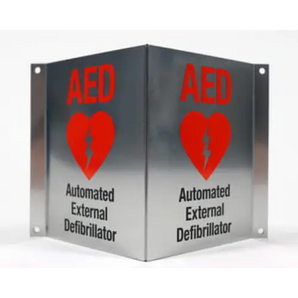
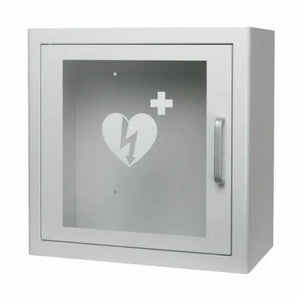
- Clear signage and accessibility considerations
- Integration with emergency response protocols
- Community education and awareness campaigns
Why Choose AED.ca for Your AED Solutions
As Canada's leading automated external defibrillator provider, AED.ca understands the unique challenges facing Canadian communities in implementing comprehensive AED programs. Our expertise includes:
Comprehensive Product Selection:
- Top-quality AED units from trusted manufacturers
- Replacement batteries and electrode pads
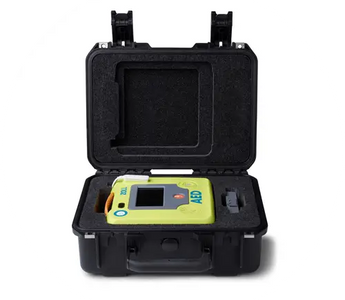
- AED accessories and carrying cases
- Maintenance and inspection services
Expert Support Services:
- Site assessment and placement recommendations
- Training for staff and volunteers
- Ongoing technical support and maintenance
- Compliance guidance for provincial regulations
Canada-Specific Expertise:
- Understanding of provincial AED requirements
- Cold weather performance considerations
- Bilingual support and documentation
- Integration with local emergency services
Cost-Effective Solutions:
- Competitive pricing on all AED equipment
- Flexible payment and leasing options
- Bulk purchase discounts for large deployments
The Path Forward: Expanding AED Access Nationwide
The evidence is overwhelming: more accessible AEDs save more lives. National initiatives to install Automated External Defibrillators (AEDs) and provide training across Canada represent important steps forward, but comprehensive coverage requires coordinated effort from government, businesses, and community organizations.
Every organization—from small businesses to large corporations, from schools to community centers—has an opportunity to contribute to this life-saving network. By investing in AED programs today, Canadian communities can ensure that when cardiac emergencies strike, the tools needed to save lives are within reach.
Take Action Today
The need for automated external defibrillators across Canada is urgent and clear. Whether you're responsible for a workplace, school, community center, or public facility, now is the time to assess your AED needs and take action.
Contact AED.ca today to discuss how we can help you implement a comprehensive AED program tailored to your specific needs and budget. Our team will work with you to identify optimal placement locations, provide training for your staff, and ensure your AED program meets all applicable regulations and best practices.
Together, we can build a safer Canada where life-saving AED technology is accessible to everyone, everywhere. Because when it comes to cardiac emergencies, every second counts, and every AED deployment represents lives that can be saved.
For more information about AED solutions, training, and implementation support, visit AED.ca to connect with an AED expert today. Don't wait until it's too late—invest in AED technology and help create safer communities across Canada.