A Life-Saving Mandate for Canada
Every year, thousands of Canadians suffer sudden cardiac arrest outside of hospital settings. The survival rate? A devastating 8-10% nationally. Yet there's a simple, proven solution that could transform these statistics: making automated external defibrillators (AEDs) as mandatory and ubiquitous as fire extinguishers across Canada.
The Current State of Cardiac Emergencies in Canada
Sudden cardiac arrest is a leading cause of death in Canada, claiming approximately 35,000-40,000 lives annually. Unlike a heart attack, which involves blocked blood flow, sudden cardiac arrest occurs when the heart's electrical system malfunctions, causing it to stop beating effectively. This is where defibrillation becomes critical—the automated defibrillator delivers an electrical shock to restore normal heart rhythm.
When someone experiences sudden cardiac arrest, every second counts. For each minute that passes without defibrillation, the chance of survival decreases by 7-10%. After 10 minutes without intervention, survival becomes extremely unlikely. This is why immediate access to an AED defibrillator can mean the difference between life and death.
What Is an AED Defibrillator?
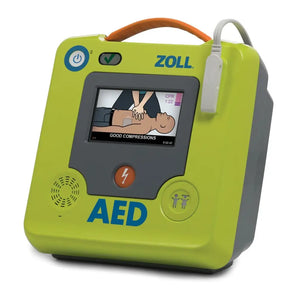
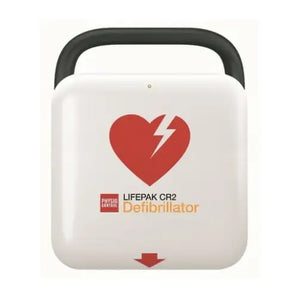
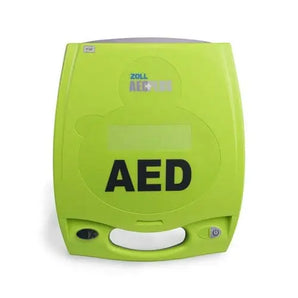
An automated external defibrillator (AED) is a portable defibrillator that analyzes heart rhythm and, when necessary, delivers an electrical shock to help the heart re-establish an effective rhythm. Modern AED machines, such as the Zoll AED Plus available in many Canada locations, are designed for use by anyone, regardless of medical training.
These defibrillator devices provide clear voice prompts and visual instructions, guiding users through each step of the rescue process. The automated external defibrillator AED technology is so advanced that the device itself determines whether a shock is needed—the rescuer simply needs to follow the instructions. This is what makes an external defibrillator accessible to everyday citizens during emergencies.
Many Canadians wonder about AED defibrillator how to use protocols. The answer is reassuring: these devices are intentionally designed to be intuitive. Automated defibrillator training, while beneficial, is not strictly required for basic operation, though it does increase responder confidence and effectiveness.
The Fire Extinguisher Parallel: A Proven Regulatory Model
Fire extinguishers are required by building codes across all Canadian provinces—British Columbia, Alberta, Saskatchewan, Manitoba, Ontario, Quebec, New Brunswick, Nova Scotia, Prince Edward Island, Newfoundland and Labrador, as well as the territories. This mandate exists despite the fact that fire-related deaths (approximately 200 annually in Canada) represent a fraction of sudden cardiac arrest fatalities.
The logic behind mandatory fire extinguishers is sound: when seconds matter, having life-saving equipment immediately accessible dramatically improves outcomes. The same principle applies—perhaps even more compellingly—to AED defibrillators.
Consider these parallels:
- Accessibility: Both devices must be readily available when emergencies strike
- Simplicity: Both are designed for use by non-experts
- Prevention of Death: Both can save lives when deployed quickly
- Low Maintenance: Both require minimal upkeep
- Long Shelf Life: Both remain functional for years with basic maintenance
The difference? Fire extinguishers are already mandatory, while AEDs remain optional in most Canadian jurisdictions despite the significantly higher death toll from cardiac emergencies.
Provincial Landscape: Where Canada Stands Today
Currently, AED requirements across Canadian provinces are fragmented and insufficient:
Ontario has led the charge with legislation requiring AEDs in certain public spaces, including recreation facilities and designated public buildings. However, enforcement and coverage remain inconsistent.
British Columbia has implemented AED programs in schools and some public facilities, but lacks comprehensive provincial mandates for commercial buildings.
Alberta has made strides in placing defibrillators in public facilities and has strong advocacy groups pushing for expanded access, yet comprehensive requirements remain absent.
Quebec has various municipal initiatives but no province-wide AED mandate comparable to fire extinguisher requirements.
Saskatchewan, Manitoba, New Brunswick, Nova Scotia, Prince Edward Island, and Newfoundland and Labrador have minimal provincial-level AED requirements, relying instead on voluntary adoption by businesses and organizations.
This patchwork approach leaves countless Canadians without access to life-saving defibrillator machines when they need them most.
The Life-Saving Potential: Estimating the Impact
If Canada implemented mandatory AED placement comparable to fire extinguisher requirements, the potential to save lives is substantial. Let's examine the evidence:
Studies from regions with comprehensive AED programs show survival rates from sudden cardiac arrest can increase from 8-10% to 40-70% when defibrillation occurs within the first few minutes. Japan, which has implemented widespread public AED access, has documented dramatic improvements in survival rates, particularly in heavily covered areas.
Conservative Estimate for Canada:
- Current annual sudden cardiac arrests outside hospitals: ~35,000-40,000
- Current survival rate: 8-10% (approximately 3,200-4,000 survivors)
- Potential survival rate with comprehensive AED coverage: 30-40%
- Projected survivors with mandate: 12,000-16,000 annually
This means an additional 8,000-12,000 Canadian lives could potentially be saved each year with mandatory AED placement approaching fire extinguisher coverage levels.
Even if we apply a more conservative factor accounting for various real-world limitations—not all arrests occur in covered locations, response time variations, and other factors—we could reasonably expect to save an additional 5,000-8,000 lives annually across Canada.
To put this in perspective, this would represent more lives saved than the total number of Canadians who die from:
- Fire-related deaths (25-30 times more)
- Drowning (8-10 times more)
- Many categories of preventable deaths currently addressed by safety regulations
Addressing Common Concerns
Cost Considerations
When people search "buy defibrillator sale" or research "AED defibrillator price," they often worry about affordability. The automatic defibrillator price typically ranges from $2,00 to $2,500 CAD, with many quality options available when you buy AED Canada units. The automated external defibrillator price represents a one-time investment with minimal ongoing costs.
Compare this to the comprehensive costs of fire safety equipment, ongoing inspections, and sprinkler systems—all mandatory. When measured against the value of human life, the cost of an AED becomes minimal. Furthermore, volume purchasing through regulatory mandates would likely decrease prices, just as fire extinguisher costs have remained reasonable due to universal demand.
Training Requirements
Questions about automated defibrillator training are common. While training certainly helps, the beauty of modern defibrillator for heart emergencies is that they're designed for layperson use. The device provides step-by-step instructions, making it possible for anyone to attempt a rescue.
That said, pairing an AED mandate with basic CPR and AED training in schools and workplaces would maximize effectiveness. Many organizations already provide this training; a federal initiative could standardize and expand these programs across all provinces.
Maintenance and Liability
Modern AED automated defibrillator devices require minimal maintenance—typically just periodic battery and pad replacements. Many units have self-check features that alert designated personnel to any issues.
Regarding liability, Good Samaritan laws across Canada protect individuals who use AEDs in good faith during emergencies. These protections would continue under any expanded mandate, just as they do for fire extinguisher use.
Building the Mandate: What Comprehensive Coverage Looks Like
A truly effective national AED mandate would require these devices in:
- All commercial buildings over a certain square footage
- Shopping centers and retail locations
- Office buildings and workplaces
- Educational institutions (from elementary schools through universities)
- Recreation facilities and gyms
- Transportation hubs (airports, train stations, bus terminals)
- Multi-unit residential buildings
- Hotels and hospitality venues
- Places of worship
- Sports venues and arenas
Placement standards would ensure AEDs are accessible within a specific timeframe (ideally 1-3 minutes) from any location within a facility, mirroring fire extinguisher accessibility standards.
The Role of Technology and Innovation
As the defibrillator device market evolves, newer models like the Zoll AED Plus offer enhanced features including real-time CPR feedback, helping rescuers perform effective chest compressions. These technological advances make the case for widespread adoption even stronger.
When Canadians search "what is an AED defibrillator" or "defibrillator machine" specifications, they'll discover that modern units are increasingly user-friendly, durable, and cost-effective. The market for defibrillators in Canada has matured significantly, with reliable suppliers and service networks ready to support a national mandate.
A Call to Action: Making the Change
The path forward requires coordinated action at multiple levels:
Federal Government
- Establish national standards for AED placement
- Provide funding support for initial implementation, particularly for small businesses and non-profits
- Create public awareness campaigns
- Integrate AED training into school curricula
Provincial Governments
- Adopt and enforce AED mandates aligned with federal standards
- Update building codes across British Columbia, Alberta, Saskatchewan, Manitoba, Ontario, Quebec, New Brunswick, Nova Scotia, Prince Edward Island, Newfoundland and Labrador, and territories
- Implement inspection protocols similar to fire safety checks
- Support municipal AED programs
Private Sector
- Proactively install AEDs before mandates take effect
- Train employees on use of the automated external defibrillator
- Partner with organizations like AED Canada to ensure best practices
Citizens
- Advocate for AED mandates in your community
- Learn CPR and AED operation
- Support businesses that prioritize public safety with AED installation
Conclusion: The Moral Imperative
We mandate fire extinguishers because we value human life and want people to have fighting chance when disaster strikes. The same principle should apply to AEDs. With sudden cardiac arrest claiming more than 100 Canadian lives every single day, and with proven technology available to dramatically improve survival rates, the question isn't whether we can afford to mandate AEDs—it's whether we can afford not to.
If mandatory AED placement similar to fire extinguisher requirements could save 5,000-12,000 additional Canadian lives each year, implementing this change becomes not just a good policy idea, but a moral imperative.
The defibrillator machine sitting unused in a closet somewhere might seem like an unnecessary expense—until someone you love collapses from sudden cardiac arrest. At that moment, having an AED within reach transforms from a regulatory requirement into a miracle.
It's time for Canada to lead by example and make automated external defibrillators as common as fire extinguishers across every province and territory. The lives we save will be our neighbors, our colleagues, our children, and ourselves.
About AED.ca: We are committed to improving cardiac emergency survival rates across Canada through education, advocacy, and providing access to quality AED equipment. For information about purchasing an AED defibrillator, training resources, or supporting advocacy efforts, visit our website or contact us today. Together, we can make Canada a safer place for everyone. AED.ca. Canada's AED Company