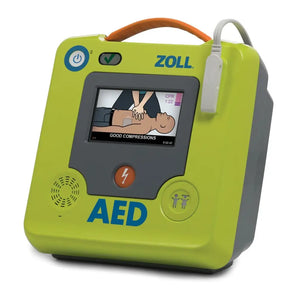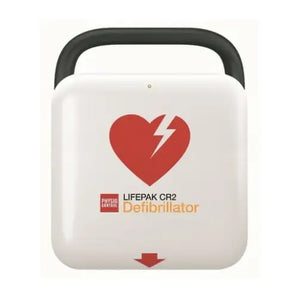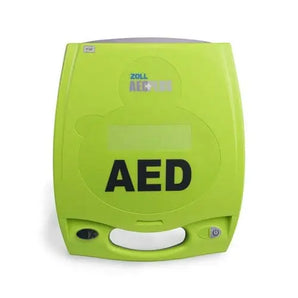

AEDs are Literal Life Savers
Every year, approximately 50,000 Canadians experience sudden cardiac arrest outside of hospital settings. The statistics are sobering—without immediate intervention, the survival rate hovers around just 5-10%. But there's hope in these numbers, and it comes in the form of a portable, life-saving device: the Automated External Defibrillator (AED).
As we reflect on 2025, we're reminded time and again that AEDs don't just represent emergency preparedness—they represent real lives saved, families kept together, and communities made stronger. Let's celebrate the remarkable stories of survival that have unfolded across Canada this year.
The Miracle at Oceanside Place
On March 11, 2025, a routine drop-in hockey game at Oceanside Place in Parksville, British Columbia, turned into a life-or-death situation when a player suddenly collapsed on the ice from cardiac arrest.
What happened next showcases the incredible importance of preparedness. Staff members—maintenance workers, reception staff, and clerical employees—immediately sprang into action. They weren't first aid attendants or medical professionals, yet their training and the presence of an on-site AED made all the difference.
"These are not first aid attendants, these are maintenance workers, front office reception staff, clerical staff," said Tom Osborne, RDN general manager of recreation and parks. "They all played different roles on the scene, everything from implementing the AED to ensuring the ambulance was called."
The player was successfully revived and transported to hospital for further care. Remarkably, this was the sixth time an AED had been deployed at Oceanside Place since opening in 2003—six lives given a fighting chance because the facility prioritized having AEDs readily available.
An 81-Year-Old's Second Chance
In February 2025, an 81-year-old man from Port Stanley, Ontario, proved that age is just a number when it comes to pursuing your passions—and that preparedness knows no age limits either.
During a senior hockey game, the man's heart suddenly stopped. Thanks to quick-thinking bystanders and the presence of an AED at the rink, his life was saved. The best part? He's not hanging up his skates. This remarkable octogenarian plans to keep playing the game he loves, a testament to both the effectiveness of AEDs and the resilience of the human spirit.
A Growing Movement Across Canada
These individual stories are part of a larger picture of progress happening across the country:
British Columbia's Commitment
In March 2025, the BC government announced an expanded Public Access to Defibrillation program, starting with a pilot in Prince George. The province is investing additional funding to place up to 750 AEDs in public venues including community centres, arenas, recreation centres, playing fields, libraries, and sports centres throughout British Columbia.
"Cardiac arrest can happen to anyone anywhere, and without immediate treatment, it can lead to brain damage or death," said Adrian Dix, Minister of Health. "With more publicly accessible AEDs, people will have the tools they need to save a loved one, a colleague or even a complete stranger."
Ontario's Construction Site Safety
Ontario has also taken significant steps forward in 2025 with new legislation requiring AEDs on construction sites with 20 or more workers and projects lasting over three months. This proactive approach recognizes that cardiac emergencies don't discriminate by location—they can happen on job sites just as easily as in recreation centres.
Community Programs Making AEDs Accessible
The Canadian Red Cross, in partnership with Giant Tiger, has been working to equip communities across Canada with AEDs through their Community Defibrillator Program. While the 2025 program has distributed all available AEDs, it demonstrates the growing recognition that these devices need to be as common as fire extinguishers.
The Numbers That Tell the Story
When we look at the statistics, the impact becomes crystal clear:
- Survival rate with CPR alone: approximately 5-10%
- Survival rate with CPR + AED within 3 minutes: up to 75%
- Every minute without defibrillation: survival chances decrease by 7-10%
Research from the Resuscitation Outcomes Consortium estimates that bystander application of AEDs saves approximately 474 lives per year in the United States and Canada combined. As AED deployment increases across Canada, we can expect these numbers to grow significantly.
Communities with comprehensive AED programs have shown survival rates of up to 40%—a dramatic improvement over the national average.
Why AEDs Work: The Science of Saving Lives
Sudden cardiac arrest occurs when the heart's electrical system malfunctions, causing it to stop beating effectively. Unlike a heart attack, which is a "plumbing problem" caused by blocked blood vessels, cardiac arrest is an "electrical problem" that requires immediate intervention.
AEDs are designed to:
- Automatically analyze the heart's rhythm
- Determine if a shock is needed
- Deliver a controlled electric shock to restore normal heart rhythm
- Guide users with clear voice prompts and visual indicators
The devices are so intuitive that even untrained bystanders can use them effectively. As we've seen in the stories above, maintenance workers, receptionists, and everyday citizens have successfully deployed AEDs to save lives.
Where We Still Need to Improve
Despite the encouraging stories and expanding programs, there's still work to be done:
- Rural Access: Only about 25% of people in rural areas have quick access to an AED
- Registration Gaps: Not all AEDs are registered with provincial databases, making it harder for emergency dispatchers to direct people to nearby devices
- Public Awareness: Many Canadians still don't know where their nearest AED is located or how to use one
The Power of Preparation
Every success story shares common threads:
- AEDs were present and accessible
- People knew where to find them
- Bystanders didn't hesitate to act
- Emergency services were called immediately
These elements, combined with the remarkable technology of the AED itself, transform cardiac arrest from a near-certain tragedy into a survivable emergency.
How Your Organization Can Be Part of the Solution
Whether you run a business, manage a facility, coach a sports team, or lead a community organization, you have the power to be part of these life-saving stories:
- Install AEDs in your facility—especially in high-traffic areas, athletic facilities, and locations where emergency response times may be longer
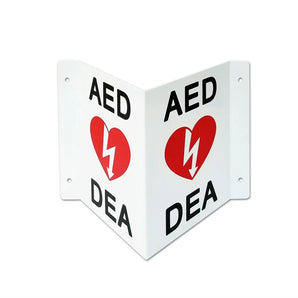
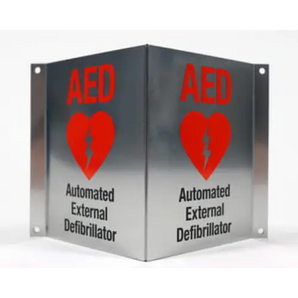
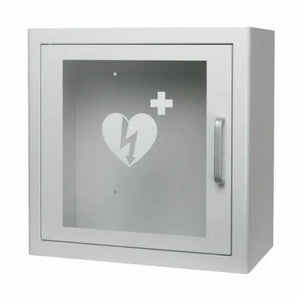
- Make AEDs visible and accessible with clear signage and placement
- Train your team on AED use and CPR (though AEDs are designed to be used even without training)
- Register your AED with provincial databases so emergency dispatchers can direct people to it
- Maintain your devices regularly to ensure they're ready when needed
Looking Forward: A Vision for Canada's Future
Imagine a Canada where:
- Every public building has an AED
- Every hockey rink, gym, and recreation centre is equipped
- Rural communities have the same access as urban centers
- Every business has an AED
- Many homes have AEDs
- Every Canadian knows where their nearest AED is located
- No one hesitates to use one in an emergency
This isn't just a dream—it's an achievable goal. The progress we've made in 2025 shows us that when communities prioritize cardiac emergency preparedness, lives are saved.
The Real Bottom Line
Behind every statistic is a person—someone's parent, spouse, child, friend, or teammate. Someone who had dreams for tomorrow, plans for the weekend, and people who love them.
The 81-year-old hockey player in Port Stanley gets to keep playing the game he loves. The player at Oceanside Place returned to their family. These aren't just survival statistics—they're continued lives, preserved memories, and futures that weren't cut short.
As we continue through 2025 and beyond, let's commit to making these stories more common. Because the next life saved by an AED could be someone you know—or even your own.
Ready to make a difference in your community?
At AED.ca, we're Canada's premier provider of automated external defibrillators and life-saving equipment. We offer:
- Industry-leading AED devices
- Comprehensive training programs
- AED inspection services
- Rental and donation programs
- Expert guidance on placement and implementation
Don't wait until it's too late. Contact AED.ca today to discuss how you can bring life-saving AED technology to your facility.
📧 Email: info@aed.ca
📞 Phone: 1-833-HAVE-AED (1-833-428-3233)
🌐 Website: www.aed.ca
Because every second counts. Every life matters. And preparation makes all the difference.