Everything You Need to Know About Ontario Regulation 157/25 and How AED.ca Can Help
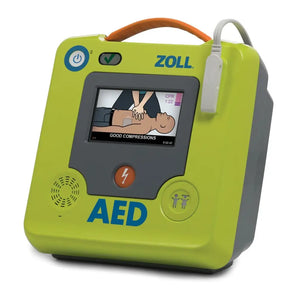
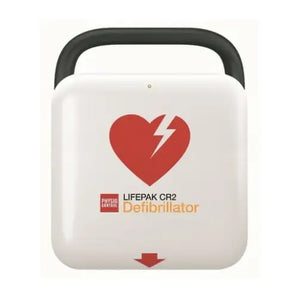
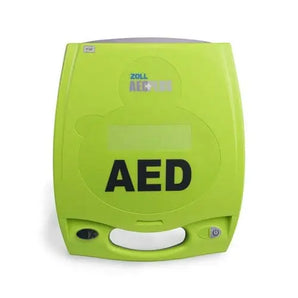
As of January 1, 2026, a groundbreaking change has taken effect in Ontario's construction industry. Under Ontario Regulation 157/25, many construction sites across the province are now legally required to have Automated External Defibrillators (AEDs) on site. This new AED law represents a significant step forward in workplace safety, acknowledging that construction workers face elevated risks of cardiac events due to the physically demanding nature of their work.
If you're a constructor, project manager, or health and safety officer operating in Ontario, you need to understand whether your construction sites fall under this new AED law and what compliance requires. More importantly, you need a trusted partner who can help you meet every aspect of these requirements—from equipment selection to ongoing AED maintenance and AED inspections.
Understanding the New AED Law: Who Does It Apply To?
The new AED Ontario regulation applies specifically to construction projects that meet both of the following criteria:
- 20 or more workers are regularly employed at the project
- The project has an expected duration of at least three months
If your construction site meets both thresholds, AED compliance is now mandatory. This includes most commercial, industrial, infrastructure, and large residential construction projects across Ontario. Short-term projects under three months or smaller sites with fewer than 20 workers are exempt, but having an AED defib on site remains a best practice regardless of legal requirements.
What Does the New AED Law Require?
Ontario Regulation 157/25 goes beyond simply having an AED on site. To be fully compliant, constructors must ensure the following:
1. Health Canada Licensed AED
Your AED defib must be licensed as a medical device by Health Canada. This ensures the device meets rigorous safety and effectiveness standards. Consumer-grade or unlicensed devices do not meet regulatory requirements and could expose you to enforcement action.
2. Required Accessories and Supplies
The regulation mandates that specific items be stored alongside each defibrillator:
- At least two sets of electrode pads (adult or pediatric, as specified by the manufacturer)
- Razor for shaving chest hair if necessary
- Absorbent towel for drying the skin
- Scissors for cutting clothing
- Medical gloves
- Cardiopulmonary resuscitation (CPR) barrier device
These items must be checked regularly and replaced as needed to ensure readiness at all times.
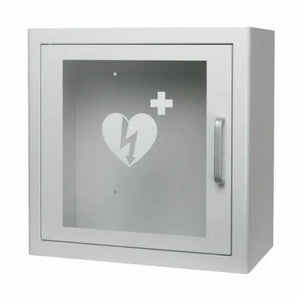
3. Proper Storage and Protection
The AED and required items must be stored together as a complete kit in conditions that:
- Protect from dust, moisture, extreme temperatures, direct sunlight, and site contaminants
- Keep everything organized and easily accessible
- Are clearly marked with compliant signage
For outdoor storage, additional weatherproof protection is essential to maintain device functionality.
4. Clear, Compliant Signage
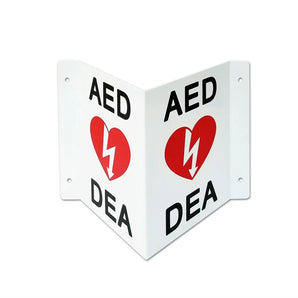
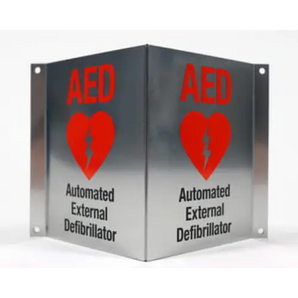
Proper signage is mandatory so workers and emergency responders can locate the AED quickly during high-stress situations. Signs must display:
- The international AED symbol (heart with lightning bolt)
- The words "Automated External Defibrillator" or "AED" (or French equivalent "DEA")
- Clear directional indicators throughout the site pointing to the AED location
5. Regular AED Inspections and Documentation
This is where many construction sites risk non-compliance. The regulation requires:
- Quarterly inspections (at least once every three months) performed by a competent worker
- Inspections must follow manufacturer's instructions
- Written inspection records must be kept with the AED
Inspection documentation must include:
- Date of inspection
- Name and signature of the person who performed the inspection
- Confirmation that all components are present and functional
Missing inspections or incomplete records can result in non-compliance, even if the AED has never been used. Ministry of Labour inspectors will be checking for proper documentation during site visits.
6. AED Maintenance According to Manufacturer Specifications
Beyond quarterly inspections, AEDs must be maintained according to manufacturer instructions. This includes:
- Regular battery checks (most AEDs perform automatic self-tests)
- Timely replacement of expired electrode pads
- Software updates if applicable
- Prompt replacement of any damaged or worn components
7. Trained Personnel On Site
At all times when work is in progress, at least one worker trained in CPR and AED operation must be present on the project. While the regulation doesn't mandate formal certification for all workers, having trained personnel ensures your team can respond effectively in a cardiac emergency.
The Compliance Challenge: Why Many Sites Are At Risk
While purchasing an AED might seem straightforward, achieving full compliance with Ontario's new AED law involves multiple ongoing responsibilities:
- Tracking inspection schedules across multiple job sites
- Maintaining detailed documentation for inspector reviews
- Ensuring electrode pads and batteries haven't expired
- Coordinating training schedules
- Managing equipment in harsh construction environments
- Staying updated on regulatory requirements
Many construction companies are discovering that AED compliance is not a one-time equipment purchase—it's an ongoing management responsibility. Without a systematic approach, it's easy to fall out of compliance, potentially facing enforcement action, fines, or work stoppages.
How AED.ca Supports Your Complete AED Construction Compliance
At AED.ca, we understand that construction companies need more than just equipment—they need a comprehensive compliance partner. As Canada's leading provider of automated external defibrillators, we offer complete solutions tailored specifically for AED construction sites in Ontario and across AED Toronto.
Our Complete Compliance Solution Includes:
1. Health Canada Licensed AED Equipment
We supply only Health Canada licensed AEDs from trusted manufacturers designed to withstand the demanding conditions of construction sites. Our AED defib units are built for:
- Extreme temperatures
- Dust and moisture exposure
- Rough handling and transport
- Reliable performance when seconds count
2. Complete Construction-Ready Kits
Every AED from AED.ca comes as a complete package including:
- The AED unit
- All required accessories specified in the regulation
- Weatherproof storage solutions for outdoor placement
- Compliant signage with proper symbols and wording
- Carrying cases for easy transport between work areas
3. Professional AED Inspections and Documentation
This is where AED.ca truly sets itself apart. We offer:
- Scheduled quarterly inspection services to meet regulatory requirements
- Professional inspection reports with all required documentation
- Automated reminders before inspections are due
- Expert technicians who understand construction site challenges
- Digital record-keeping systems for easy access during Ministry inspections
With our AED inspections service, you'll never miss a compliance deadline or face an inspector without proper documentation.
4. Comprehensive AED Maintenance Programs
Our AED maintenance programs ensure your equipment remains rescue-ready:
- Proactive battery monitoring and replacement
- Electrode pad expiry tracking and timely replacements
- Firmware updates when available
- Emergency replacement parts shipped quickly
- 24/7 technical support
5. Multi-Site Management Solutions
For construction companies operating multiple projects across AED Toronto and AED Ontario, we provide:
- Centralized tracking of all AED units and their compliance status
- Site-specific inspection schedules
- Bulk purchasing options
- Coordinated service across all locations
- Single point of contact for all your AED needs
6. Training Support and Resources
While not mandatory for all workers, CPR and AED training significantly improves emergency response. AED.ca can connect you with certified training providers and resources to ensure you always have trained personnel on site.
7. WSIB Reimbursement Assistance
The Ontario government offers reimbursement through the Workplace Safety and Insurance Board (WSIB) for eligible construction projects—up to $2,300-$2,500 per AED. We guide you through:
- Proper documentation for reimbursement applications
- Meeting purchase window requirements (July 1, 2025 to June 30, 2027)
The Risk of Non-Compliance
Ministry of Labour inspectors began enforcement of the new AED law on January 1, 2026. While they're initially taking an education-based approach, non-compliance can result in:
- Stop-work orders
- Significant fines under the Occupational Health and Safety Act
- Administrative monetary penalties
- Reputational damage
- Increased liability in the event of a cardiac emergency
Even more importantly, non-compliance puts your workers' lives at risk. Sudden cardiac arrest can strike anyone without warning, and survival rates drop dramatically with each passing minute. Having a properly maintained AED and trained personnel on site can mean the difference between life and death.
Why Cardiac Preparedness Matters on Construction Sites
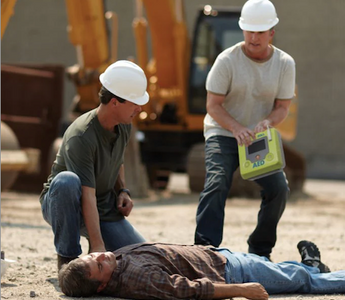
The construction sector accounts for a significant portion of workplace cardiac event reports in Ontario. The physical demands, environmental stressors (heat, cold, altitude), and often remote locations of construction sites create unique risk factors:
- Heavy physical labor increases cardiac stress
- Delayed emergency medical services (EMS) response times in remote locations
- Exposure to extreme temperatures
- High-stress, fast-paced work environments
When sudden cardiac arrest occurs, immediate defibrillation combined with CPR offers the best chance of survival. For every minute that passes without defibrillation, survival rates decrease by approximately 10%. Having an AED defib readily accessible—and properly maintained—is literally a life-saving investment.
Get Started with AED.ca Today
Don't wait until a Ministry inspector arrives on site to discover compliance gaps. AED.ca makes it simple to achieve and maintain full compliance with Ontario's new AED law.
Our team is ready to help you:
- Assess which of your construction projects require AEDs under the regulation
- Select the right Health Canada licensed equipment for your specific needs
- Set up compliant storage and signage solutions
- Establish quarterly AED inspection schedules
- Implement comprehensive AED maintenance programs
- Navigate the WSIB reimbursement process
Contact AED.ca Today
Visit our construction industry page: aed.ca/pages/aeds-for-the-construction-industry
Call us: Available during business hours for immediate assistance @ 647-699-7702
Email us: For detailed project assessments and quotes @ sales@aed.ca
As your trusted AED Ontario partner, we're committed to helping construction companies across AED Toronto and throughout the province protect their workers, meet their legal obligations, and create safer job sites.
Frequently Asked Questions About the New AED Law
Q: Do all construction sites in Ontario need an AED?
A: No. AEDs are required only when a project employs 20 or more workers and is expected to last three months or longer. However, having an AED is a best practice for any construction site.
Q: Can I use any AED for compliance?
A: No. The AED must be licensed by Health Canada as a medical device. Consumer-grade or unlicensed devices do not meet regulatory requirements.
Q: How often must AED inspections be performed?
A: At least once every three months (quarterly), with written records that include the date, inspector's name and signature, and confirmation of device readiness.
Q: What happens if I don't comply with the new AED law?
A: Non-compliance can result in stop-work orders, fines, administrative penalties, and increased liability. More importantly, it puts workers' lives at risk.
Q: Is AED training required for all workers?
A: At least one worker trained in CPR and AED operation must be present whenever work is in progress. Training all workers is recommended but not mandatory.
Q: Can I get reimbursed for purchasing an AED?
A: Yes. Eligible construction projects can receive reimbursement through the WSIB for one AED per project.
Q: What if my project site is outdoors or in extreme conditions?
A: AEDs must be protected from extreme temperatures, moisture, and contaminants. AED.ca supplies weatherproof storage solutions specifically designed for construction environments.
Don't Leave Your AED Compliance to Chance
The new AED law isn't just about checking a regulatory box—it's about being prepared to save lives. With AED.ca as your partner, you'll have everything you need for complete compliance: Health Canada licensed equipment, professional AED inspections, comprehensive AED maintenance, and expert support every step of the way.
Contact AED.ca today and ensure your AED construction sites across AED Ontario and AED Toronto are fully compliant and rescue-ready.
AED.ca – Your Complete Solution for Construction Site AED Compliance