A Comprehensive Guide for Properties
When it comes to life-saving equipment, many building managers and property owners assume that one device is enough. After all, buildings often have a single fire extinguisher on each floor, right? Actually, that's not quite accurate—and when it comes to Automated External Defibrillators (AEDs), this misconception can be dangerously misleading.
Just as you wouldn't expect a single fire extinguisher to adequately protect a multi-story building, one AED is rarely sufficient for most properties. Let's explore why multiple AEDs are essential and how to determine the right number for your building.
The Critical Three-Minute Rule
The most important factor in AED placement is what's known as the "three-minute rule." When someone experiences sudden cardiac arrest, every second counts. Brain death and permanent damage can begin within just 4 to 6 minutes after cardiac arrest occurs. For each minute that passes without defibrillation, a victim's chance of survival decreases by approximately 10%.
This means that an AED must be retrieved, brought to the victim, and applied within three minutes to maximize survival chances.
Consider what three minutes actually looks like in your building:
- Someone must recognize the emergency
- Someone must locate the nearest AED
- Someone must retrieve it and return to the victim
- The device must be applied and activated
In a large building, simply walking from one end to the other, let alone navigating multiple floors, can easily consume those precious three minutes. This is why strategic placement of multiple AEDs isn't just recommended—it's essential.
Why One AED Per Building Isn't Enough
Think about fire extinguishers for a moment. You don't see a single extinguisher tucked away in a building's basement with a sign saying "In case of fire, please proceed to the basement." That would be absurd. Instead, fire extinguishers are distributed throughout buildings—on every floor, in multiple locations, near high-risk areas.
The same principle applies to AEDs, perhaps even more critically. While you might have a few minutes to reach a fire extinguisher, you have far less time when dealing with cardiac arrest.
Consider these scenarios:
AED Toronto Condo Scenario: A resident experiences cardiac arrest in a 20-story condo tower. If the only AED is located in the lobby, someone must take the elevator down (or rush down the stairs), locate the device, and return. By the time they make it back, it could easily be 5-7 minutes—well beyond the critical window.
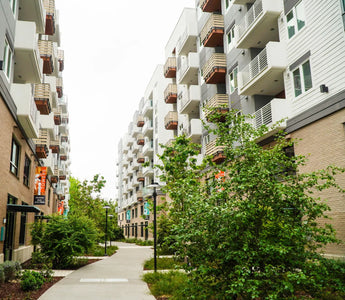
AED Multi-Res Apartment Building: In a sprawling apartment complex with multiple wings, a single AED in the management office means responders might need to traverse long hallways, navigate locked doors, or cross outdoor spaces to reach the device.
AED Toronto Office Building: In a commercial high-rise, an emergency on the 15th floor with an AED only on the ground floor creates an impossible situation for meeting the three-minute rule.
Recommended AED Coverage: Minimum One Per Floor
Based on emergency response guidelines and the three-minute rule, the minimum recommendation is one AED per floor in multi-story buildings. However, this is truly a minimum, and many buildings benefit from additional units.
Factors That May Require Additional AEDs Per Floor:
- Building Size: Large floor plates (over 10,000 square feet) may need multiple AEDs per floor
- Floor Layout: Long corridors, multiple wings, or maze-like layouts require additional coverage
- Population Density: High-occupancy areas like fitness centers, pools, and community rooms need nearby AEDs
- High-Risk Areas: Gyms, pools, and recreational facilities should have dedicated AEDs regardless of floor coverage
- Access Barriers: Secure areas, locked zones, or areas requiring key card access need their own AEDs
Recommended Placement Locations:
For an AED condo Toronto or AED apartment building, ideal locations include:
- Main lobby or entrance
- Each residential floor (in elevator lobbies or main corridors)
- Fitness center or gym
- Pool area
- Party rooms or community spaces
- Parking garage levels
- Building management office
Calculating Your Building's AED Needs
Here's a practical formula to determine how many AEDs your property needs:
Step 1: Walk your building. Time how long it takes to reach different areas from a central AED location. If any area takes more than 90 seconds to reach (allowing 90 seconds for return), you need additional coverage.
Step 2: Consider your building type:
- Small buildings (1-3 floors): Minimum 1-2 AEDs
- Mid-rise buildings (4-8 floors): Minimum one per floor, plus high-risk areas
- High-rise buildings (9+ floors): One per floor minimum, with additional units on floors with large square footage or high occupancy
Step 3: Add AEDs for special areas:
- Fitness facilities (mandatory)
- Pool areas (mandatory)
- Large community spaces
- Parking structures
Where to Get an AED in Toronto or anywhere in Canada: Why AED.ca?
If you're searching for "where to get an AED in Toronto" or looking for the "best AED condo Toronto" solution, AED.ca is your trusted Canadian source for quality AED for sale options.
Why Choose AED.ca?
Canadian-Based Expertise: As a Canadian company, AED.ca understands the specific needs and regulations for Canadian properties. They provide guidance tailored to local requirements and best practices.
Comprehensive Support: Beyond simply selling devices, AED.ca offers:
- Site assessment assistance
- Installation guidance
- Training programs
- Maintenance and support
- Replacement pad and battery programs
Quality Products: AED.ca offers reliable, Health Canada-approved AED units suitable for various building types, from AED condo installations to large AED multi-res complexes.
Local Service: Being based in Canada means faster shipping, local support, and service technicians who can assist Toronto-area properties when needed.
Making the Investment: Cost vs. Life-Saving Potential
Some property managers hesitate at the cost of multiple AEDs. However, consider this: the average cost of an AED ($2,500) is minimal compared to the value of a human life—and the potential liability of not having adequate emergency equipment available.
Moreover, many insurance providers offer reduced premiums for buildings with proper AED coverage, and the presence of multiple AEDs can be a significant selling point for potential residents or tenants who prioritize safety.
Recommended AED
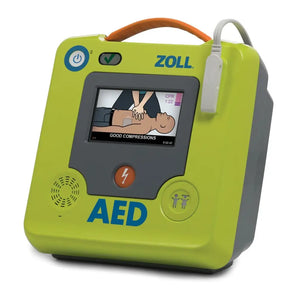
Zoll AED 3

Here are a few of the reasons this AED is recommended:
-
Ability to switch between adult and child rescue at the press of a button - only one set of pads needed
-
Real time Audio & Visual CPR feedback - improves positive outcomes by 50%
-
Full colour screen provides visual instructions in addition to audible instructions
-
Pads and batteries both last 5 years - lowest cost of ownership
For more information go to:
https://aed.ca/products/zoll-aed-3
Implementation Best Practices
Once you've determined how many AEDs your building needs:
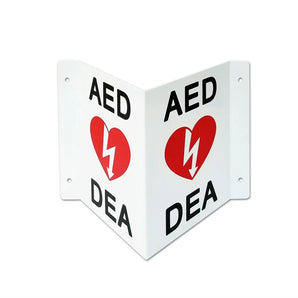
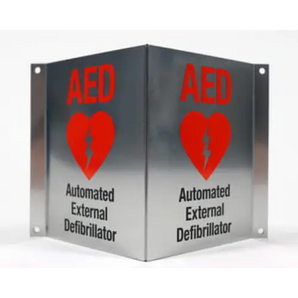
- Create clear signage: Use highly visible AED signs throughout the building
- Train your team: Ensure building staff and volunteer responders know where every AED is located
- Maintain your devices: Regularly check battery and pad expiration dates
- Update emergency plans: Include AED locations in all emergency response documentation
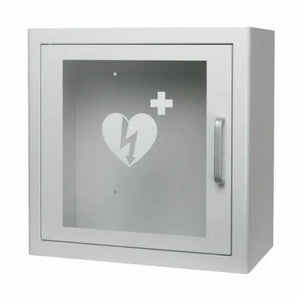
- Consider accessibility: Install AEDs in unlocked, accessible cabinets with alarms to prevent theft while ensuring availability
Conclusion: Don't Compromise on Cardiac Emergency Preparedness
When it comes to AEDs, the question isn't whether you can afford multiple units—it's whether you can afford not to have them. The three-minute rule makes it clear that strategic placement of multiple AEDs throughout your building isn't a luxury; it's a necessity.
Whether you're managing an AED Toronto office building, an AED condo Toronto property, or an AED apartment or AED multi-res complex, the minimum standard should be one AED per floor, with additional units based on building size, layout, and high-risk areas.
AED.ca now offers a Full Service Maintenance Plan to have all of your AEDs professionally managed. Learn more at AED Maintenance Plan
To upgrade your AED or Purchase additional AEDs go to: AED.ca AEDs
Ready to ensure your building meets best practices for cardiac emergency response? Contact AED.ca today to discuss your property's specific needs and find the best AED solution for your Toronto building. Don't wait until an emergency reveals gaps in your coverage—invest in comprehensive AED protection now.
Have questions about AED placement for your specific property? AED.ca can provide personalized recommendations based on your building's unique layout and needs.