
Why Your Organization Needs an AED
Workplace safety extends far beyond traditional hazards like machinery and chemicals. In environments where temperatures run high—from manufacturing plants and foundries to commercial kitchens and warehouses—heat poses a serious cardiovascular risk that employers cannot afford to ignore. Understanding the connection between heat exposure and cardiac arrest is crucial for creating comprehensive emergency response protocols that could save lives.
The Heat-Heart Connection: Understanding the Risk
When the human body is exposed to elevated temperatures, it undergoes significant physiological stress. The cardiovascular system works overtime to regulate body temperature through increased blood flow to the skin and elevated heart rate. This process places tremendous strain on the heart, particularly in individuals with pre-existing conditions or those who may be unaware of underlying cardiovascular issues.
Heat-related cardiac events can occur through several mechanisms. Dehydration, common in hot work environments, reduces blood volume and forces the heart to pump harder to maintain circulation. Electrolyte imbalances from excessive sweating can disrupt the heart's electrical system, potentially triggering dangerous arrhythmias. Additionally, heat stress can cause blood vessels to dilate, leading to sudden drops in blood pressure that may precipitate cardiac arrest.
Workers in high-temperature environments face compounded risks. Physical exertion in hot conditions accelerates the body's heat production while simultaneously challenging its cooling mechanisms. This perfect storm of factors creates an environment where cardiac emergencies can occur with little warning, making rapid response capabilities essential.
The Critical Role of AEDs in Heat-Related Cardiac Emergencies
When cardiac arrest strikes in a hot workplace, every second counts. The survival rate for sudden cardiac arrest decreases by approximately 10% for every minute that passes without defibrillation. In remote or industrial locations where emergency medical services may face delays, having an automated external defibrillator on-site becomes a matter of life and death. Amazingly, people have over a 70% chance of survival with an AED and CPR together vs. only 5% with CPR alone!
Modern AEDs are specifically designed to handle the unique challenges of workplace environments. The AED benefits extend beyond basic life support—these devices provide clear voice prompts, automatically analyze heart rhythms, and deliver precisely calibrated shocks when needed. For employees working in high-temperature conditions, this immediate intervention can mean the difference between survival and tragedy.
Building a Comprehensive AED Program for Hot Work Environments
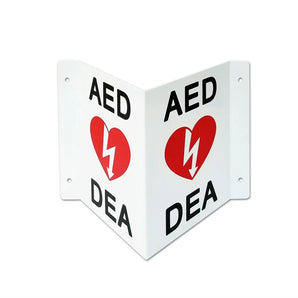
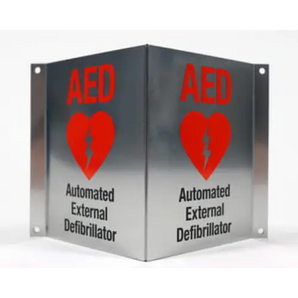
Implementing an effective AED program requires more than simply purchasing equipment. Organizations must consider strategic placement, ensuring devices are easily accessible from all high-risk areas while remaining protected from environmental hazards. The cost of installing a defibrillator encompasses not just the device itself but also proper housing, signage, and ongoing maintenance.
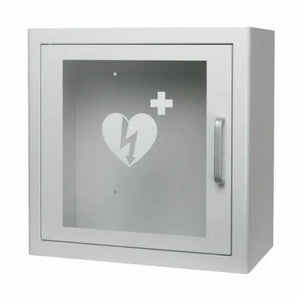
AED defibrillator cabinets serve multiple purposes in industrial settings. They protect devices from dust, moisture, and temperature extremes while providing highly visible storage that meets regulatory requirements. Many cabinets feature alarm systems that alert supervisors when devices are removed, ensuring accountability and proper tracking of emergency responses.
Training forms the foundation of any successful AED program. Employees working in high-temperature environments should receive regular instruction on recognizing heat-related medical emergencies, basic CPR techniques, and proper AED operation. This training becomes particularly crucial in workplaces where heat stress may mask the early warning signs of cardiac distress.
Selecting the Right AED for Your Workplace
The automated external defibrillator price varies significantly based on features, durability, and intended use. While cost considerations are important, the primary focus should be on selecting devices that meet your workplace's specific needs. Industrial environments require ruggedized units capable of withstanding harsh conditions while maintaining reliable performance.
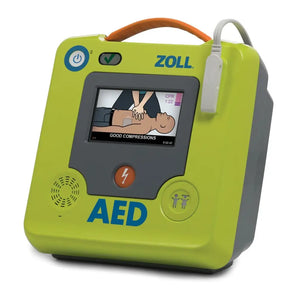
When evaluating AED for sale options, consider factors such as battery life, maintenance requirements, and environmental ratings. Zoll AEDs, for example, offers models specifically designed for challenging workplace conditions, featuring enhanced durability and extended operational temperature ranges that make them ideal for hot work environments.
AED Canada regulations require that devices meet specific standards for performance and safety. Working with established suppliers ensures compliance with these requirements while providing access to ongoing technical support and maintenance services. This regulatory compliance becomes particularly important in workplace settings where liability and worker safety intersect.
AED Recommended for Industrial & Construction Sites
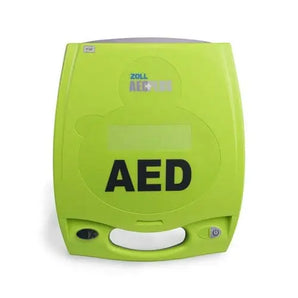
The AED recommend by AED.ca for workplaces is the Zoll Plus AED. (Best AED Construction, Best Workplace AED, Best Industrial AED, Best Commercial AED)
Here are a few of the reasons why they recommend this unit:
-
Real time Audio & Visual CPR feedback - improves positive outcomes by 50%
-
Pads and batteries both last 5 years - lowest cost of ownership
-
Highly resistant to dust and moisture and has an ingress protection (IP) rating of 55. This is among the highest in the industry.
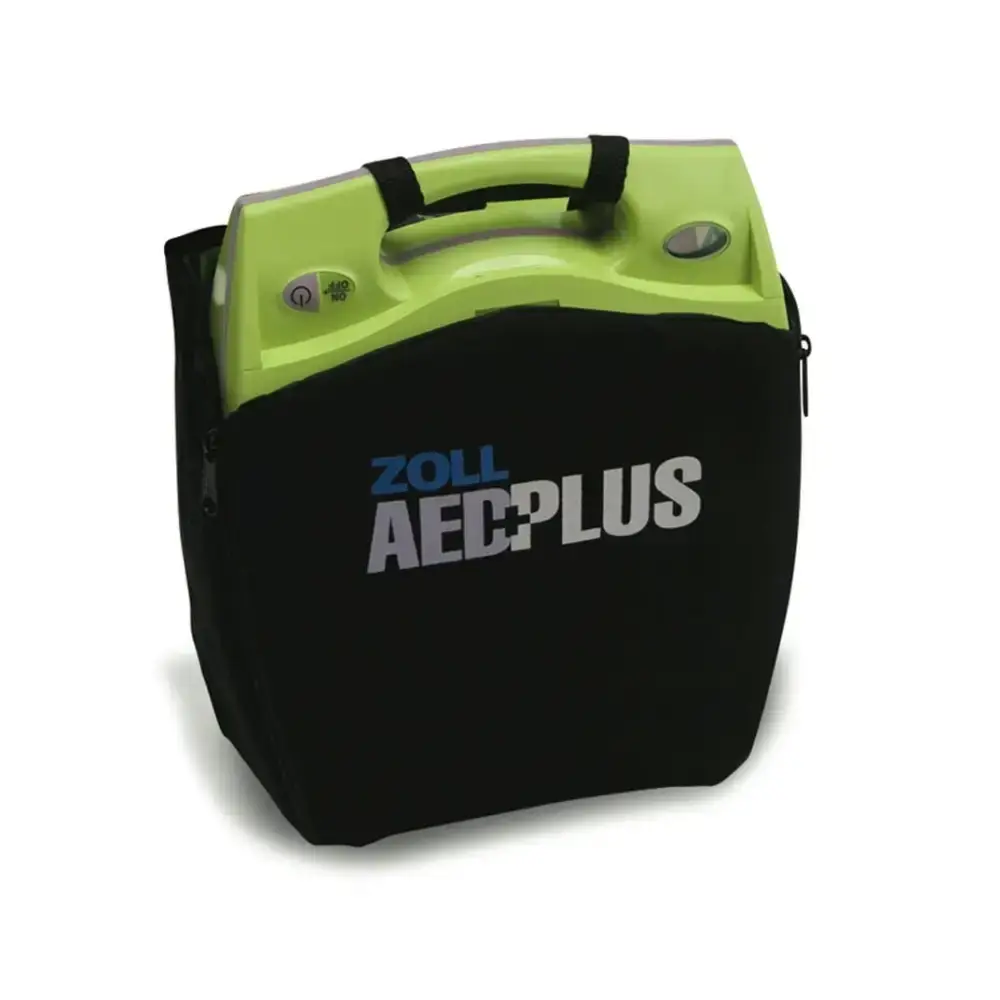
Here is a link to the product on AED.ca's website for more information.
https://aed.ca/products/zoll-aed-plus-fully-automatic-aed-with-cover
Making the Investment: Cost Considerations and ROI
Organizations exploring automated external defibrillator buy decisions must weigh initial costs against potential benefits. While the automated external defibrillator for sale market offers various price points, the investment extends beyond simple equipment acquisition. Consider the total cost of ownership, including training, maintenance, and replacement supplies.
The return on investment for workplace AED programs extends far beyond financial calculations. A single successful resuscitation can save a life, prevent devastating impacts on families and coworkers, and demonstrate an organization's commitment to employee safety. Additionally, many insurance providers offer premium reductions for businesses that implement comprehensive emergency response programs.
AED purchase Canada decisions should involve consultation with safety professionals who understand both regulatory requirements and workplace-specific risks. This expertise ensures that organizations select appropriate equipment while developing effective implementation strategies that maximize the program's life-saving potential.
Partnering with AED Experts
For organizations ready to implement comprehensive AED programs in their heat-exposed workplaces, partnering with experienced suppliers is essential. AED.ca offers specialized expertise in workplace AED implementation, providing everything from initial risk assessment to ongoing program management. Their team understands the unique challenges of high-temperature work environments and can recommend solutions that provide maximum protection for employees.
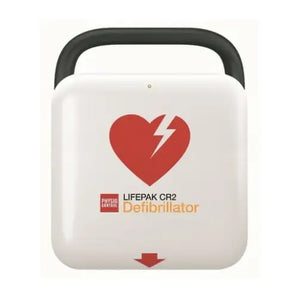
AED.ca provides access to leading-edge technology including Zoll, Cardiac Science, Stryker and other advanced defibrillation systems designed for challenging workplace conditions. Their comprehensive approach includes equipment selection, training, and ongoing support services that ensure your AED program remains effective over time.
Taking Action: Protecting Your Workforce
Heat-related cardiac arrests represent a serious but preventable workplace hazard. By understanding the risks, implementing appropriate AED programs, and partnering with qualified suppliers, organizations can create safer work environments that protect employees from life-threatening cardiac emergencies.
The time to act is now. Don't wait for a cardiac emergency to expose gaps in your workplace safety program. Contact AED.ca today to discuss your organization's specific needs and learn how their expertise can help you implement a comprehensive AED program that protects employees working in high-temperature conditions.
Remember, when it comes to cardiac arrest, preparation today can save a life tomorrow. Invest in your employees' safety by ensuring that life-saving AED technology is readily available when and where it's needed most.