Legal Protection for Life-Saving Actions
In emergency situations where someone's life hangs in the balance, the difference between action and hesitation can mean everything. Yet many potential rescuers worry about legal consequences when considering whether to help. This concern is particularly relevant when it comes to using automated external defibrillators (AEDs) during cardiac emergencies. Understanding Good Samaritan laws and how they protect those who use AED machines can empower more people to act decisively when lives are at stake.

Understanding Good Samaritan Laws
A Good Samaritan law is legislation designed to protect individuals who voluntarily provide emergency assistance to others in distress. These laws exist to encourage people to help during emergencies without fear of legal repercussions. The fundamental principle behind any Good Samaritan statute is that society benefits when people are willing to step forward and provide aid during critical moments.
The concept of Good Samaritan liability protection varies by jurisdiction, but the core idea remains consistent: if you act in good faith to help someone in an emergency, you generally cannot be held legally responsible for unintended consequences that may result from your well-intentioned actions.
Good Samaritan Protection in Ontario
In Ontario, Canada, the Good Samaritan Act Ontario provides specific legal protections for those who render emergency assistance. The Good Samaritan law Ontario establishes that individuals who voluntarily and without expectation of compensation provide emergency aid are protected from liability, provided they act reasonably and in good faith.
This good citizen law recognizes that emergency situations require immediate action, and that the fear of potential lawsuits should not prevent people from helping others in crisis. The legislation acknowledges that while emergency responders are trained professionals, ordinary citizens may also need to act quickly to save lives.
AED Technology and Accessibility
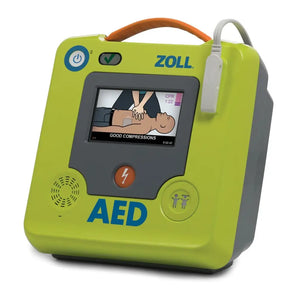
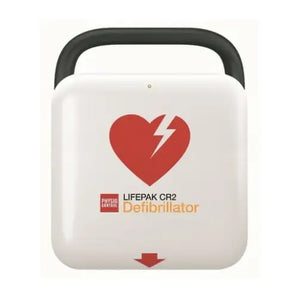
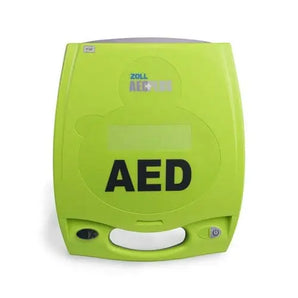
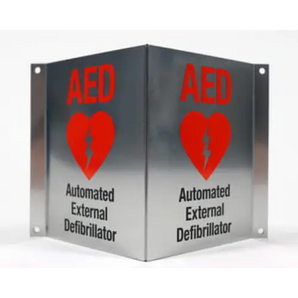
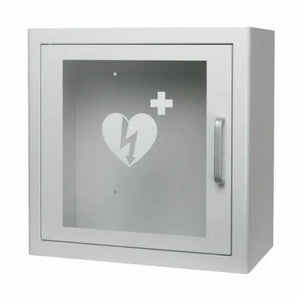
An AED (automated external defibrillator) is a portable device designed to analyze heart rhythm and deliver an electric shock to restore normal heart function during sudden cardiac arrest. These life-saving devices have become increasingly common in public spaces, workplaces, and community centers.
The A_E_D technology has advanced significantly in recent years, making these devices more user-friendly and accessible to the general public. Modern AED machines provide clear voice instructions and visual prompts, enabling even untrained individuals to use them effectively during emergencies.
When considering AED cost, organizations must weigh the price against the potential to save lives. An AED price typically ranges from $2,000 to $2,500 CAD, depending on the model and features. While the automatic defibrillator price may seem significant, the investment becomes invaluable when considering the device's potential to prevent death from sudden cardiac arrest.
For those researching AED CA options, it's important to note that Health Canada regulates these devices to ensure they meet strict safety and effectiveness standards. The AED Canada defibrillator price reflects not only the sophisticated technology but also the rigorous testing and certification required for medical devices in Canada.
Legal Protection for AED Use
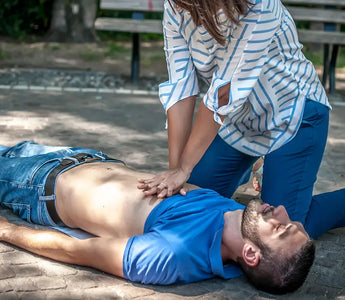
One of the most significant concerns people have about using an AED defib during an emergency is the potential for a Good Samaritan lawsuit. However, Good Samaritan laws specifically address this concern by providing legal protection for those who use AEDs in emergency situations.
The legal framework recognizes that AED machines are designed for use by the general public and that their proper use during cardiac emergencies can mean the difference between life and death. When someone uses an AED in accordance with the device's instructions and acts in good faith to help another person, they are generally protected from liability under Good Samaritan legislation.
Key Principles of Good Samaritan Protection
Several important principles guide Good Samaritan liability protection:
Good Faith Action: The rescuer must act with genuine intent to help, not for personal gain or with malicious intent. This good faith requirement is central to most Good Samaritan statutes.
Reasonable Care: While perfection is not expected, the person providing aid should act as a reasonable person would under similar circumstances. This standard acknowledges that emergency situations are inherently stressful and that split-second decisions may not always be perfect.
Voluntary Assistance: The protection typically applies to those who voluntarily offer help, rather than those who have a professional duty to respond.
Emergency Circumstances: The situation must constitute a genuine emergency where immediate action is necessary to prevent death or serious injury.
Encouraging Public AED Use
The combination of Good Samaritan legal protection and improved AED technology has created an environment where more people can confidently respond to cardiac emergencies. Public awareness campaigns emphasize that AED devices are designed to be used by anyone, regardless of medical training.
Training programs, while not legally required for Good Samaritan protection, can increase confidence in using AED machines. Many organizations offer brief orientation sessions that familiarize participants with AED operation and basic emergency response procedures.
Conclusion
Good Samaritan laws serve as a crucial bridge between the moral imperative to help others and the practical concerns about legal liability. By providing legal protection for those who use AED machines during emergencies, these laws encourage more people to take life-saving action when it matters most.
Understanding that Good Samaritan statutes protect well-intentioned emergency assistance can help overcome the hesitation that might otherwise prevent someone from using an AED during a cardiac emergency. While the cost of AED devices represents a significant investment, the legal protections in place ensure that those who use them to help others can do so with confidence.
As AED technology continues to improve and become more widely available, and as public awareness of Good Samaritan protections grows, we can expect to see more successful outcomes in cardiac emergency situations. The combination of accessible life-saving technology and robust legal protections creates the foundation for a society where people are empowered to help their neighbors in times of crisis.
Remember, in any emergency situation, the first step should always be to call professional emergency services. However, when an AED is available and someone is experiencing cardiac arrest, Good Samaritan laws provide the legal framework that allows ordinary citizens to take extraordinary action to save lives.
Contact AED.ca to get your AED questions answered. They are Canada's AED Company!