Published by AED.ca - Canada's Leading AED Specialists
When seconds count during a cardiac emergency, having immediate access to an automated external defibrillator (AED defib) can mean the difference between life and death. As Canada's premier AED specialists, AED.ca knows how proper AED deployment can save lives across communities, homes, workplaces, and public spaces nationwide.
Understanding Sudden Cardiac Arrest: Why AEDs Are Critical
Sudden cardiac arrest strikes without warning, affecting over 50,000 Canadians annually. Unlike a heart attack, which involves blocked blood flow to the heart, sudden cardiac arrest occurs when the heart's electrical system malfunctions, causing an irregular heartbeat (arrhythmia) that stops effective blood circulation.
During cardiac arrest, brain death begins within 4-6 minutes without intervention. Traditional CPR alone provides only 10-15% survival rates, but when combined with early defibrillation using AEDs, survival rates can exceed 70%. This dramatic improvement explains why AED specialists like our team at AED.ca consistently advocate for widespread AED deployment.
The Science Behind AED Effectiveness
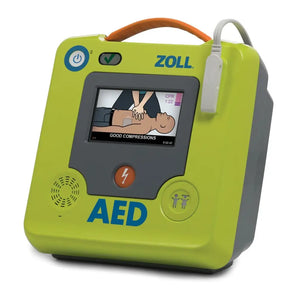
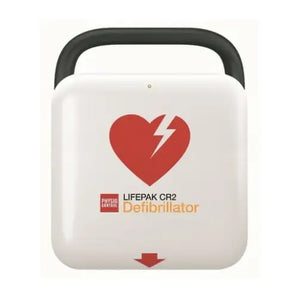
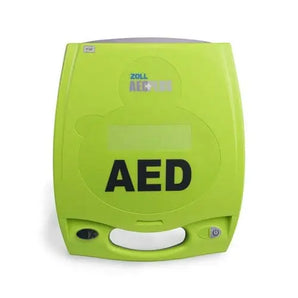
Modern AEDs represent decades of medical engineering advancement. These sophisticated devices analyze heart rhythms through advanced algorithms, determining whether an electric shock will restore normal heart function. The technology has evolved to become remarkably user-friendly while maintaining medical-grade precision.
Key technological features that make today's AEDs so effective include:
Automated Rhythm Analysis: Contemporary AEDs use multi-lead ECG analysis to detect shockable rhythms like ventricular fibrillation and ventricular tachycardia with over 99% accuracy.
Adaptive Energy Delivery: Modern units automatically adjust shock energy based on patient impedance, ensuring optimal defibrillation while minimizing tissue damage.
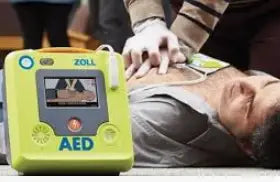
Real-Time CPR Guidance: Advanced models provide audio and visual feedback on compression depth and rate, dramatically improving CPR quality during emergencies.
Environmental Durability: Professional-grade AEDs withstand extreme temperatures, moisture, and physical impacts while maintaining operational reliability.
Legal Protection: Understanding Good Samaritan Statute Coverage
One primary concern preventing AED use involves legal liability fears. Fortunately, Canada's Good Samaritan statute provides robust protection for individuals using AEDs during emergencies. This legislation, which varies slightly between provinces, generally protects volunteers acting in good faith during medical emergencies.
The Good Samaritan statute typically covers:
- Emergency Response Actions: Protection when providing reasonable assistance during life-threatening situations
- AED Usage: Specific provisions protecting individuals using automated external defibrillators during cardiac emergencies
- Workplace Applications: Extended coverage for designated workplace responders
However, Good Samaritan statute protection comes with responsibilities. Users must act responsibly and avoid reckless behavior. As AED experts, we strongly recommend training programs for the people at your location.
Strategic AED Placement: Expert Recommendations
Effective AED programs require strategic device placement based on risk assessment and response time analysis. Our AED specialists have developed comprehensive placement guidelines through years of experience:
High-Priority Locations Include:
- Athletic facilities and fitness centers where cardiac events frequently occur
- Educational institutions with large populations and high-stress environments
- Corporate offices, particularly those with older employee demographics
- Transportation hubs including airports, train stations, and bus terminals
- Retail establishments and shopping centers with high foot traffic
- Community centers and places of worship serving diverse populations
- Multi-Residential Buildings such as apartments or condominiums
Placement Criteria: AEDs should be positioned within 3-4 minutes walking distance of any location where people gather. This timeframe accounts for device retrieval, setup, and initial response before emergency medical services arrive.
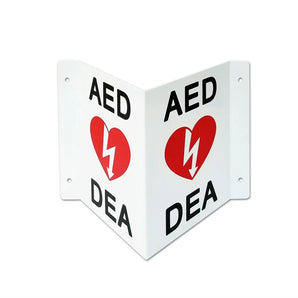
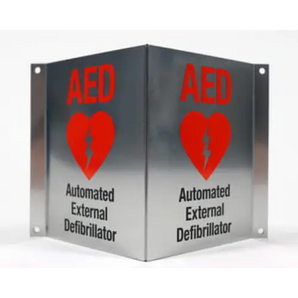
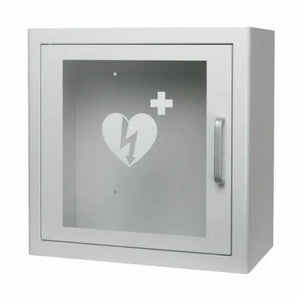
Environmental Considerations: Professional AED installation requires attention to temperature ranges, humidity levels, and security concerns. Indoor units need climate-controlled environments, while outdoor installations require weatherproof housing and temperature regulation systems.
AED Program Implementation: A Systematic Approach
Successful AED programs extend far beyond equipment purchase. Our experience as AED specialists has identified critical implementation elements:
Needs Assessment: Comprehensive risk evaluation considering population demographics, existing medical facilities, and emergency response capabilities.
Staff Training Programs: Regular certification courses covering device operation, CPR techniques, emergency coordination.
Maintenance Protocols: Systematic inspection schedules, battery replacement programs, pad expiration monitoring, and software updates.
Integration Planning: Coordination with local emergency services, workplace safety programs, and community response networks.
Performance Monitoring: Regular drills, incident documentation, and program effectiveness evaluation.
Advanced AED Technologies and Features
Modern AED defib units incorporate increasingly sophisticated capabilities that enhance emergency response effectiveness:
Connectivity Features: Wi-Fi and cellular-enabled models automatically notify emergency services and designated contacts when activated, providing GPS coordinates and initial assessment data.
Data Recording: Contemporary units store detailed event information including rhythm analyses, shock delivery, and response timelines for medical professionals and quality improvement programs.
Multilingual Support: Advanced models offer instruction delivery in multiple languages, crucial for diverse Canadian communities.
Pediatric Compatibility: Professional AEDs include pediatric modes and specialized electrode pads for treating children and infants.
Training Excellence: Building Confident Responders
Effective AED programs depend on well-trained responders who can act decisively during high-stress emergencies. Our training methodology emphasizes practical skills development combined with theoretical understanding:
Hands-On Practice: Realistic scenario training using professional training AEDs that simulate actual emergency conditions without delivering electrical shocks.
Stress Inoculation: Progressive training that gradually increases scenario complexity and time pressure, building confidence and competence.
Team Coordination: Multi-responder exercises that develop communication and coordination skills essential during actual emergencies.
Regular Recertification: Ongoing training programs that maintain skills and incorporate technological advances and protocol updates.
Regulatory Compliance and Standards
AED deployment in Canada involves various regulatory considerations that impact device selection and program implementation:
Health Canada Approval: All AEDs must meet strict medical device regulations and maintain current licensing for legal operation.
Provincial Regulations: Individual provinces may have specific requirements regarding training, reporting, and maintenance protocols.
Workplace Safety Standards: Organizations implementing AED programs must comply with occupational health and safety regulations specific to their industry.
Cost-Benefit Analysis: Investment in Life-Saving Technology
AED program implementation represents a significant investment in community safety and organizational responsibility. Our analysis of successful programs reveals compelling cost-benefit ratios:
Direct Costs Include: Equipment purchase, training programs, maintenance contracts, and facility modifications.
Indirect Benefits: Reduced liability exposure, enhanced safety reputation, improved emergency response capabilities, and potential insurance premium reductions.
Quantifiable Outcomes: Studies demonstrate that comprehensive AED programs can achieve cost-effectiveness ratios below $50,000 per quality-adjusted life year saved, comparing favorably with other medical interventions.
Future Developments in AED Technology
The AED industry continues advancing rapidly, with emerging technologies promising even greater life-saving potential:
Artificial Intelligence Integration: Machine learning algorithms that improve rhythm analysis accuracy and provide predictive analytics for maintenance and deployment optimization.
Wearable Technology Integration: Connectivity with smartwatches and fitness trackers that can automatically summon help and guide responders to AED locations.
Drone Delivery Systems: Automated systems that can rapidly transport AEDs to emergency scenes in remote or congested areas.
Enhanced User Interfaces: Augmented reality systems and improved visual displays that provide even clearer guidance for untrained responders.
Why Choose AED.ca as Your AED Specialists
As Canada's leading AED experts, AED.ca brings unmatched experience and expertise to every client engagement. Our comprehensive approach encompasses:
- Product Expertise: Deep knowledge of all major AED manufacturers and models, ensuring optimal device selection for specific applications
- Implementation Support: Complete program development from initial assessment through ongoing maintenance and training
- Regulatory Knowledge: Current understanding of federal and provincial requirements affecting AED deployment
- Ongoing Partnership: Long-term relationships that adapt and evolve with changing needs and advancing technology
Conclusion: Investing in Community Safety
AED implementation represents one of the most impactful investments organizations can make in community safety and emergency preparedness. With proper planning, training, and ongoing support, AEDs transform ordinary citizens into potential life-savers while providing legal protection through Good Samaritan statute coverage.
The combination of advancing technology, comprehensive training programs, and expert guidance makes AED defib programs more accessible and effective than ever before. As cardiac arrest rates continue rising with aging populations and lifestyle factors, the importance of widespread AED availability cannot be overstated.
For organizations considering AED program implementation, partnering with experienced AED specialists ensures optimal outcomes and maximum life-saving potential. The investment in professional guidance, quality equipment, and comprehensive training pays dividends in enhanced safety, reduced liability, and the invaluable benefit of being prepared to save lives when seconds count.
AED.ca serves as Canada's premier resource for automated external defibrillator programs, combining decades of expertise with cutting-edge technology and comprehensive training solutions. Contact our AED specialists today @aed.ca to discuss your organization's emergency preparedness needs and discover how professional AED implementation can enhance safety and save lives in your community.