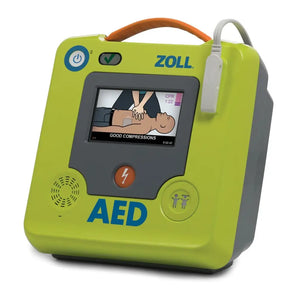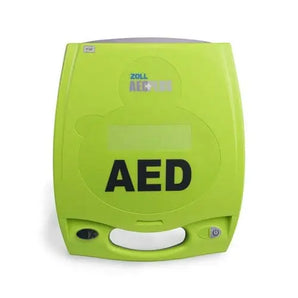
When it comes to sudden cardiac arrest, every second counts. The statistics are sobering: approximately 350,000 people experience out-of-hospital cardiac arrests annually in North America, with survival rates that hover around 10%. However, there's one piece of technology that can dramatically improve these odds – and the data proves it's worth every penny invested.
The Life-Saving Statistics Behind AEDs
Automated External Defibrillators (AEDs) represent one of the most significant advances in emergency cardiac care. The data surrounding their effectiveness is compelling and should inform every decision about workplace safety, community preparedness, and personal protection.
Research consistently shows that when defibrillation occurs within the first three to five minutes of cardiac arrest, survival rates can increase to 70% from only 5% with CPR alone. This dramatic improvement in outcomes has made AEDs an essential component of comprehensive emergency response plans across Canada and worldwide.
Understanding AED Machine Canada Regulations and Requirements
In Canada, the regulatory landscape for AEDs has evolved significantly, with many provinces implementing requirements for public access defibrillators in specific settings. The data from provinces with mandatory AED programs shows measurable improvements in cardiac arrest survival rates.
For Canadian businesses and organizations considering AED implementation, understanding both the regulatory requirements and the compelling safety data is crucial. Many provinces now have AEDs in fitness facilities, schools, and large office buildings – requirements that stem directly from evidence-based research on their effectiveness.
Breaking Down the Economics: AED Defibrillator Cost vs. Life-Saving Value
One of the most common concerns when implementing an AED program involves the automatic defibrillator cost. However, when examined against the data on lives saved and the economic impact of cardiac emergencies, the investment becomes clear.
The price of an AED typically ranges from $2,000 to $2,500 CAD for quality units suitable for public access. While this represents a significant upfront investment, the data on return on investment is remarkable. Studies show that each life saved through early defibrillation represents an average economic value of over $1 million when considering lifetime productivity and healthcare cost savings.
Defib Prices: A Comprehensive Cost Analysis
When evaluating defib prices, it's essential to consider the total cost of ownership rather than just the initial purchase price. A comprehensive cost analysis includes:
Initial Equipment Costs:
- The AED unit itself
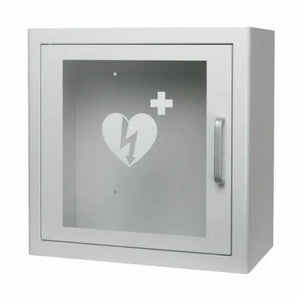
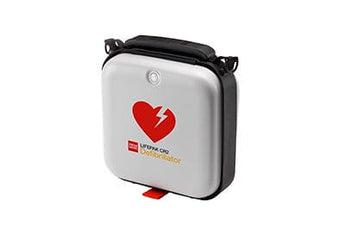
- Carrying case and wall mount
- Initial set of AED pads
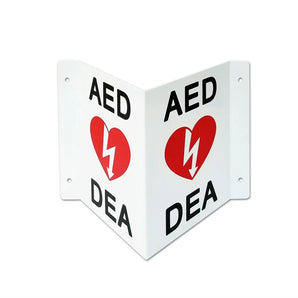
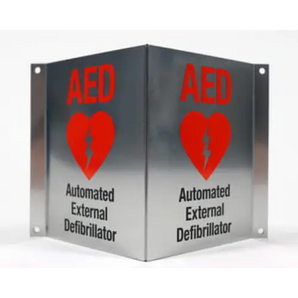
- Training materials and signage
Ongoing Maintenance Costs:
- Regular battery replacement (typically every 4-5 years)
- AED pads replacement (as needed or expired)
- Annual professional maintenance checks
- Staff training updates
The data shows that organizations that factor in total cost of ownership from the beginning are more successful in maintaining compliant, ready-to-use AED programs.
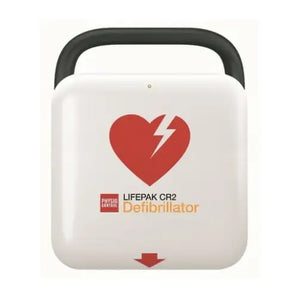
Recommended AED
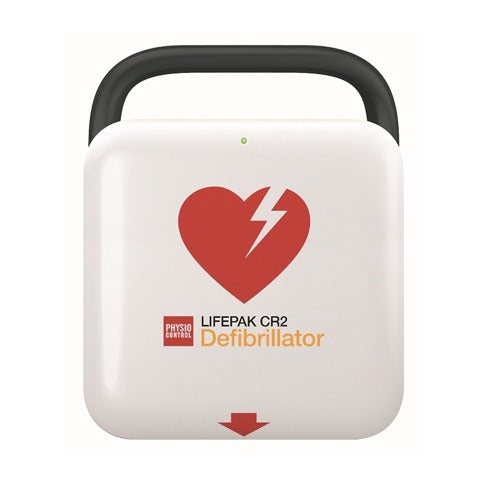
Physio-Control CR2 AED
Reasons why recommend:
-
Ability to switch between adult and child rescue at the press of a button - only one set of pads needed
-
Pads & Batteries both last for your years
-
Fully Bilingual
- Highly resistant to dust and moisture and has an ingress protection (IP) rating of 55. This is among the highest in the industry.
For more information go to:
https://aed.ca/products/stryker-physio-cr2-semi-auto-english-wifi
The Critical Role of AED Pads in Success Rates
The effectiveness data for AEDs is intrinsically linked to proper maintenance, particularly regarding AED pads. These electrode pads are the interface between the device and the patient, making their condition critical to successful outcomes.
Research indicates that expired or improperly stored AED pads can reduce defibrillation effectiveness by up to 30%. This data underscores the importance of regular maintenance schedules and proper inventory management for AED programs.
A.E.D.S Implementation: What the Data Tells Us About Best Practices
The acronym A.E.D.S. can serve as a reminder of best practices supported by outcome data:
Accessibility – Data shows that AEDs located within a 3-minute response time dramatically improve survival rates.
Education – Organizations with trained responders see 40% better outcomes than those relying solely on untrained bystanders.
Documentation – Proper record-keeping and maintenance protocols ensure device readiness when needed.
Support – Ongoing program support and regular drills improve response times and confidence levels.
Canadian Market Analysis: AED Machine Canada Trends
The Canadian market for AED machines has grown significantly, driven by both regulatory requirements and increased awareness of their life-saving potential. Current data shows that Canadian organizations are investing more heavily in AED programs, with growth rates of 15-20% annually in certain sectors.
This growth is supported by provincial health initiatives, insurance considerations, and most importantly, the accumulating evidence of their effectiveness in Canadian settings. Real-world data from Canadian AED programs consistently demonstrates improved survival rates in locations with comprehensive AED coverage.
Making the Investment Decision: Data-Driven Considerations
When evaluating the investment in an AED program, the data should guide decision-making:
- Risk Assessment Data: Analyze your organization's specific risk factors, including employee demographics, facility size, and daily visitor volume.
- Response Time Analysis: Map current emergency response times and identify how AED placement could improve critical response windows.
- Cost-Benefit Calculations: Compare program costs against potential liability, insurance benefits, and the immeasurable value of preparedness.
- Outcome Projections: Use established survival rate data to project the potential impact of AED implementation in your specific environment.
The Future of AED Technology and Cost Trends
Emerging data suggests that AED technology continues to evolve, with newer models offering improved user guidance, better connectivity features, and enhanced reliability. While cutting-edge models may carry premium pricing, the data indicates that even basic AED units provide substantial life-saving benefits.
Cost trends show gradual decreases in basic AED pricing over time, making these life-saving devices more accessible to smaller organizations and community groups. However, the data consistently shows that the most important factor isn't finding the lowest price, but ensuring proper implementation and maintenance.
Conclusion: Let Data Drive Your AED Decision
The evidence is overwhelming: AEDs save lives, and the data proves their value far exceeds their cost. Whether you're a business owner in Toronto, a facility manager in Vancouver, or a community leader anywhere in Canada, the statistics support immediate action on AED implementation.
Don't let cost concerns override life-saving potential. The data on AED effectiveness, combined with decreasing equipment costs and increasing availability of training resources, makes now the ideal time to implement a comprehensive AED program.
When it comes to sudden cardiac arrest, you can't argue with the numbers. The data is clear, the technology is proven, and the potential to save lives is real. Make the investment in AED technology – because when seconds count, data-driven preparedness makes all the difference.
For more information on AED programs, pricing, and implementation in Canada, contact AED.ca. They can help you develop a customized program based on your specific needs.