Making an Informed Decision About Automated External Defibrillators
When it comes to sudden cardiac arrest, every second counts. Automated external defibrillators (AEDs) are portable, life-saving devices designed to treat people experiencing sudden cardiac arrest, a medical condition in which the heart stops beating suddenly and unexpectedly. But with these potentially lifesaving machines available without a prescription, many people wonder: do I really need an AED for my home, workplace, or organization?
Understanding the Reality of Sudden Cardiac Arrest
Most sudden cardiac deaths occur outside of the hospital, making public access defibrillation programs and workplace AED programs increasingly important. Sudden cardiac arrest doesn't discriminate – it can happen to anyone, anywhere, at any time without any warning. Unlike a heart attack, which is typically a circulation problem, sudden cardiac arrest is an electrical problem where the heart's rhythm becomes chaotic and stops pumping blood effectively.
The statistics are sobering: when someone experiences sudden cardiac arrest, their chance of survival decreases by 7-10% for every minute that passes without defibrillation. This is why the combination of CPR and early defibrillation is effective in saving lives. With CPR alone people have about a 5% chance of survival, but with CPR and AED together people have over a 70% chance of survival.
The Growing Market for AED Accessibility
Public access sites, including schools, airports, shopping malls, and sports arenas, have been key growth drivers for the AED market, with the Public Access segment expected to hold 80.6% of the total market share by 2025. This growth reflects a broader recognition that AEDs save lives when they're accessible where people live, work, and play.
Who Should Consider Getting an AED?
Workplaces and Organizations
Automated external defibrillators (AEDs) are an important lifesaving technology and may have a role to play in treating workplace cardiac arrest. If you manage a workplace, school, gym, community center, hotel, condominium, or any location where people gather regularly, an AED could be a crucial investment. Public access defibrillation programs that place automated external defibrillators (AEDs) in areas where cardiac arrests may occur can reduce the response time up to three to five minutes.
Consider an AED if your location has:
- High foot traffic or large gatherings
- Older adults who frequent the space
- People engaged in physical activities
- Remote locations where emergency response times might be delayed
- Employees or visitors with known cardiac risk factors
- You want peace of mind for people in your facility
Homes and Families
For personal use, the decision becomes more nuanced. You might consider a home AED if:
- You or a family member has a history of heart disease
- You live in a rural area with longer emergency response times
- You frequently host large gatherings or events
- You want peace of mind for family members and guests
The Modern AED Advantage
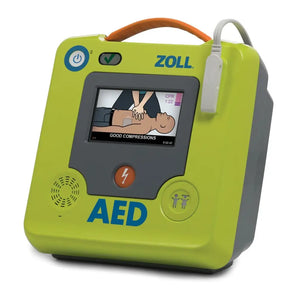
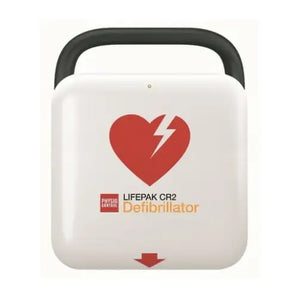
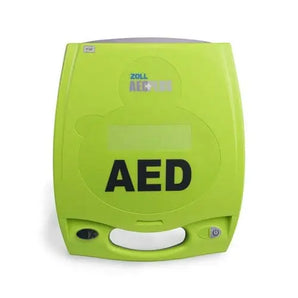
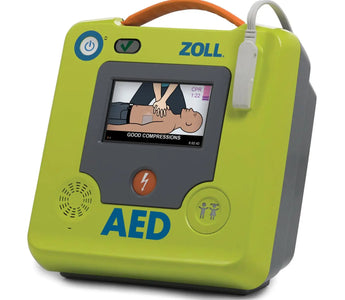
Today's AEDs are more user-friendly than ever. Semi-automated external defibrillators are expected to dominate the market with the largest market share of 25.11% because they provide clear voice prompts and visual instructions, making them accessible even to untrained users.
Modern features include:
- Voice-guided instructions in multiple languages
- Visual prompts and displays
- Automatic rhythm analysis
- Self-testing capabilities
- Long-lasting batteries
- Connectivity features for maintenance alerts
Making the Investment Decision
The question isn't just whether you need an AED – it's whether you can afford not to have one when it matters most. While the upfront cost may seem significant, consider that the global Automated External Defibrillator (AED) growth is driven by the increasing prevalence of cardiovascular diseases, reflecting a real and growing need.
When evaluating whether to purchase an AED:
Consider the environment: High-risk locations like gyms, senior centers, and large office buildings, condominiums, etc... benefit most from AED programs.
Assess response times: If emergency services typically take more than 6-8 minutes to reach your location, an AED becomes even more critical.
Evaluate usage patterns: Locations with regular foot traffic or vulnerable populations see the greatest benefit.
Factor in training: While AEDs are designed for untrained users, basic CPR and AED training increases effectiveness significantly.
Beyond the Device: Building a Response System
Having an AED is just the first step. AED site coordinators should ensure that in the event of a sudden cardiac arrest, a plan is in place to restore the AED into service and inform EMS about the use of the device as soon as possible.
A complete emergency response plan should include:
- Regular maintenance checks and battery replacements
- Staff training on AED operation and CPR
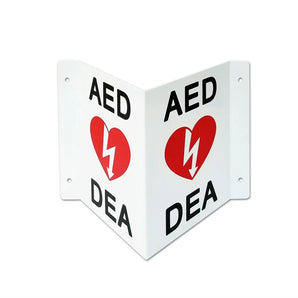
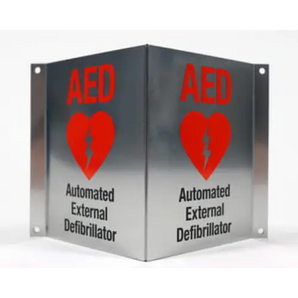
- Clear signage indicating AED locations
- Integration with your emergency action plan
- Coordination with local emergency medical services
The Bottom Line
Ideally every person and building would have an AED to protect themselves and those in your building/area. The expanding public access defibrillation programs and workplace AED initiatives reflect a growing understanding of their life-saving potential. If you're responsible for a workplace, organization, or frequently gather groups of people, an AED investment could literally be the difference between life and death for someone in your care.
For personal use, consider your family's health history, your location's emergency response times, and your comfort level with emergency preparedness. Remember, sudden cardiac arrest doesn't make appointments – it strikes without warning, often in familiar places surrounded by people we care about.
The real question isn't whether you need an AED, but rather: if someone you cared about experienced sudden cardiac arrest in your presence, would you want every possible tool available to help save their life?
Ready to explore AED options for your home, workplace, or organization? Visit AED.ca to learn more about our selection of automated external defibrillators and find the right solution for your needs. Our team can help you choose the perfect AED and provide guidance on training and maintenance programs.