The Truth About AED Expiration
When you invest in an automated external defibrillator (AED), you're making a commitment to safety that could save a life during a cardiac emergency. But like any critical safety equipment, questions about longevity and maintenance naturally arise. The most common question we hear is: "Do AEDs expire?"
The answer might surprise you. While AED machines themselves don't technically have an expiration date stamped on them like a carton of milk, understanding their practical lifespan is essential for anyone responsible for maintaining these life-saving devices.
Here's what you need to know: AED machines don't officially expire. There's no predetermined date when your AED defib suddenly stops working or becomes unsafe to use. However, this doesn't mean you can purchase an AED and forget about it for decades.
Think of your AED machine like you would a smartphone or laptop. These devices don't expire in the traditional sense, but we wouldn't dream of relying on a 15-year-old phone for critical tasks. The same principle applies to AEDs. Technology evolves, components age, and newer models incorporate features that can make the difference between life and death.
Why Upgrading After 8-10 Years Makes Sense
Most manufacturers and safety experts recommend upgrading your AED every 8 to 10 years, typically aligning with the end of the warranty period. This isn't arbitrary. Several important factors drive this recommendation:
Technological Advancements
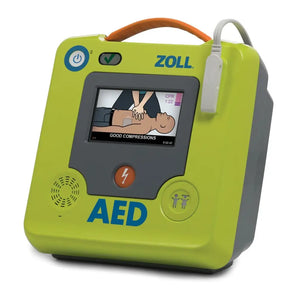
The field of emergency cardiac care continues to evolve rapidly. Newer AED models often include enhanced voice prompts that guide rescuers more clearly through each step, improved shock delivery systems calibrated to current medical protocols, and faster analysis times that can reduce critical seconds during an emergency. Some modern units even offer real-time CPR feedback, coaching rescuers on compression depth and rate—features that simply didn't exist in older models.
Reliability Concerns
Electronic components degrade over time, even when properly maintained. Capacitors can weaken and internal circuits can become less reliable. While your AED might still function after a decade, the risk of malfunction increases with age. When someone's life hangs in the balance, you want equipment you can trust without hesitation.
Warranty Protection
Once your warranty expires, you're operating without a safety net. If your device malfunctions, you'll face significant repair costs—if repair is even possible for an aging unit. Many older models eventually become obsolete, making replacement parts difficult or impossible to source.
What Actually Does Expire: Pads and Batteries
While the AED machine itself may not expire, two critical components absolutely do: electrode pads and batteries. This is where diligent tracking becomes non-negotiable.
Electrode Pads
AED pads typically expire every 2 to 5 years, depending on the manufacturer. These adhesive electrodes contain conductive gel that degrades over time. Expired pads may not adhere properly to a patient's chest or may fail to deliver the shock effectively. Each pad package is clearly marked with an expiration date—missing this could render your entire device useless in an emergency.
Batteries
Battery life varies significantly between models, ranging from 2 to 5 years for standby batteries. An expired or depleted battery means your AED won't function when needed, making regular checks essential.
This is why tracking these expiration dates isn't just recommended—it's crucial. Missing a battery or pad replacement could mean the difference between a successful rescue and tragedy.
The Challenge of AED Maintenance
For organizations managing multiple AEDs across different locations, keeping track of various expiration dates, warranty periods, and maintenance schedules quickly becomes overwhelming. You need a system that ensures every AED near me or at your facility is ready to respond at a moment's notice.
Many businesses, schools, and community organizations struggle with:
- Remembering to check multiple AED units regularly
- Tracking different expiration dates for pads and batteries across various models
- Ensuring someone is responsible and accountable for maintenance
- Staying compliant with safety regulations
- Budgeting for unexpected replacements
This administrative burden, while necessary, often gets pushed to the back burner until an inspection or emergency reveals a problem.
A Better Solution: Full-Service Maintenance Plans
Fortunately, you don't have to manage AED maintenance alone. Companies like AED.ca specialize in taking this burden off your shoulders through comprehensive full-service maintenance plans.
These programs typically include:
- Automatic tracking of all expiration dates for pads and batteries
- Timely delivery of replacement components before they expire
- Regular compliance checks to ensure your AED is rescue-ready
- Support in determining when device upgrades make sense
- Expert guidance on the latest AED technology and best practices
For organizations across AED Ontario, AED Toronto, and throughout AED Canada, these maintenance plans provide peace of mind that every AED machine remains in optimal condition without requiring constant attention from already-busy staff.
Where to Buy an AED and What to Consider
If you're searching for "where buy AED" or looking for an "AED for sale," the purchasing decision extends beyond simply finding the lowest price. Consider:
Your Specific Environment
Different settings have different needs. A school might prioritize ease of use for staff with varying training levels, while a fitness facility might need a more robust unit capable of withstanding frequent use.
Support and Service
The relationship doesn't end at purchase. Look for suppliers who offer comprehensive support, including training, maintenance programs, and responsive customer service. Companies with deep expertise in AED Canada markets understand local regulations and requirements.
Long-Term Value
The cheapest AED for sale isn't always the best investment. Factor in warranty coverage, the cost and availability of consumables, and the reputation of the manufacturer for reliability and innovation.
Making the Smart Choice for Your AED Investment
Protecting your community with an AED is one of the most important safety decisions you can make. Sudden cardiac arrest can happen anywhere, anytime, to anyone—and having a functioning, modern AED readily available dramatically improves survival rates.
While AEDs don't expire in the traditional sense, treating them as long-term investments that require periodic upgrading ensures you're always prepared with the most effective, reliable technology available. Combined with diligent tracking of pad and battery expirations—or better yet, partnering with a full-service maintenance provider—you can rest assured that your AED will work flawlessly when every second counts.
Whether you're responsible for AED Toronto facilities, managing safety for AED Ontario organizations, or simply want to ensure the AED near me is properly maintained, understanding these principles helps you make informed decisions that could save lives.
Don't let your AED become outdated or fall into disrepair. Invest in proper maintenance, plan for timely upgrades, and partner with experts who understand that when it comes to cardiac emergencies, there's no room for equipment failure.
Looking for expert AED support across Canada? Visit AED.ca to explore their full range of AED machines, accessories, and comprehensive maintenance plans designed to keep your equipment rescue-ready, year after year.