
Ontario AED Construction Law Takes Effect January 1, 2026: Are You Ready?
As construction companies across Ontario prepare for 2026, a significant new safety regulation is on the horizon. Starting January 1, 2026, Ontario will become the first jurisdiction in North America to mandate automated external defibrillators (AEDs) on certain construction sites. This groundbreaking legislation represents a major advancement in workplace cardiac emergency preparedness, but contractors need to understand both their obligations and the current challenges with financial support.
Understanding Ontario Regulation 157/25: The AED Construction Law
Under Ontario Regulation 157/25, which comes into force January 1, 2026, construction sites must have an AED on-site if they meet two criteria:
- Project duration: The construction project is expected to last three months or longer
- Workforce size: The project regularly employs 20 or more workers
This regulation is part of the Working for Workers Seven Act, 2025, which was introduced to enhance worker safety in Ontario's construction sector. Unlike many provinces, Ontario recognizes the heightened risk construction workers face due to the physical demands and hazardous nature of their work.
Why This Matters: The Life-Saving Impact of AEDs
The statistics supporting this requirement are sobering. Ministry of Labour data shows that more than 15 percent of inspection reports related to cardiac incidents occur in the construction sector. Every year, approximately 7,000 Ontarians experience cardiac arrest, and in Canada, roughly 60,000 cardiac arrests occur outside hospitals annually. Without intervention, the survival rate is typically only one in ten.
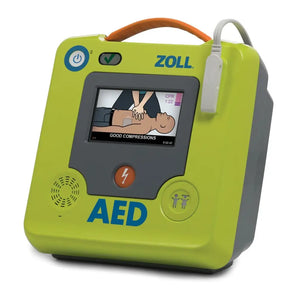
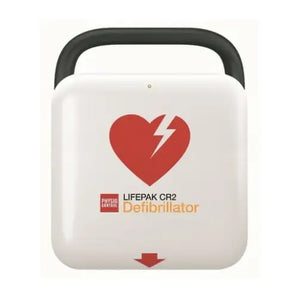
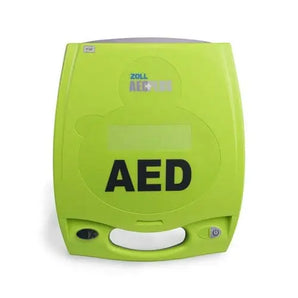
This is where AEDs make all the difference. An automated external defibrillator is a portable medical device that analyzes a person's heart rhythm and delivers an electrical shock when necessary to restore normal heartbeat during sudden cardiac arrest. When an AED is used in combination with CPR within the first few minutes of cardiac arrest, survival rates can improve by more than 50 percent. In fact, survival rates drop by approximately 10 percent for every minute without defibrillation.
AED Requirements: What You Must Know
Construction companies that meet the criteria must ensure their AED solution meets specific requirements:
Installation and Accessibility
- The defibrillator must be licensed as a medical device by Health Canada
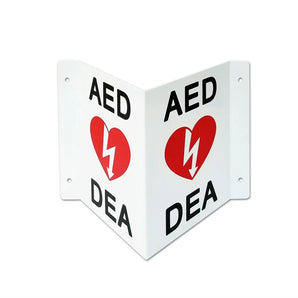
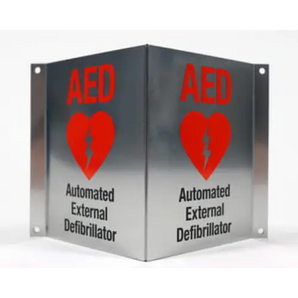
- It must be readily accessible and clearly marked with signage
- The device should be reachable and returnable within a three-minute round-trip from any active work area
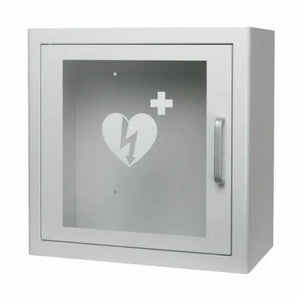
- The AED must be protected from dust, moisture, and environmental damage in a suitable weather-resistant cabinet or case
Maintenance and Readiness
- Most modern AEDs conduct automatic self-tests daily, weekly, or monthly to verify battery status, circuitry, and pad readiness
- Regular maintenance ensures the device will perform reliably when needed
- Battery and electrode pad expiry dates must be monitored and replaced as required
Staff Training and Mandatory CPR/Defibrillator Requirement
- Ontario Regulation 157/25 legally requires that at all times when work is in progress, a worker trained in cardiopulmonary resuscitation (CPR) and defibrillator operation must be present on-site
- This is a non-negotiable compliance requirement, not optional
- Modern AEDs are designed with voice prompts and visual instructions for user guidance, but trained operator presence is still required
- This worker must maintain current CPR and AED certification throughout the project
Multiple Sites Consideration
- For larger projects with multiple floors, work zones, or dispersed teams, consider installing more than one AED to ensure the three-minute accessibility standard is met
The WSIB Reimbursement Program: A Proposal Still Under Development
Here's where the situation becomes more complex for construction companies. While Ontario Regulation 157/25 comes into effect January 1, 2026 (and is now the law), the financial support mechanism through the Workplace Safety and Insurance Board (WSIB) remains under development.
What Was Proposed When the Working for Workers Seven Act (Bill 30) was introduced on May 28, 2025, the government proposed a WSIB reimbursement program to offset the cost of AEDs for eligible construction projects. The average cost of a compliant AED is approximately $2,300 per device. The proposed program would have allowed construction companies to receive reimbursement for the initial purchase cost of one AED per qualifying project.
The Current Status: Bill 30 Still Pending Passage - Reimbursement Not Yet in Place Unfortunately, as of November 2025, Bill 30 (Working for Workers Seven Act, 2025) has not yet received Royal Assent and become law. This means the WSIB reimbursement program remains a proposal only and is not currently available to construction companies.
It's important to understand the distinction here:
- Ontario Regulation 157/25 (the AED requirement): This is NOW IN EFFECT as of January 1, 2026. It is the law.
- Bill 30 (which includes WSIB reimbursement): This is still in the legislative process and has not been passed into law.
Because the reimbursement program is contingent on Bill 30 passing, and that bill remains pending, construction companies cannot currently access WSIB funding for AED purchases.
According to WSIB officials and government announcements:
- When implemented (if Bill 30 passes), reimbursement would be limited to the initial cost of the AED only
- Ongoing maintenance costs and operator training expenses would not be covered under the program
- One reimbursement per qualifying construction site would be available
- Contractors with multiple sites could receive multiple reimbursements
However, without Bill 30 becoming law, the specific application process, eligibility criteria, and timeline for program implementation remain unknown.
What This Means for Contractors: Don't Wait
Construction companies with ongoing or upcoming projects should take immediate action:
Assess Your Projects Now
- Review current and upcoming projects through 2026
- Determine which projects will span three months or longer and employ 20+ workers
- If a project begins before January 1, 2026, but continues past that date, the new requirements apply
- Plan accordingly for projects starting near the year-end transition
Budget for AED Purchases Given the uncertainty around WSIB reimbursement timing, contractors should budget for AED purchases independently. An investment in worker safety shouldn't depend on uncertain government programs. At approximately $2,300 per device, AEDs represent a reasonable safety expense relative to the potential cost of not having one available during a cardiac emergency.
Select Compliant Equipment
- Ensure any AED purchased is licensed as a medical device in Canada
- Consider durability and environmental protection features suitable for construction sites
- Look for devices with automated self-testing and remote monitoring capabilities
- Evaluate total cost of ownership including maintenance, electrode pads, and batteries
Implement a Safety Protocol
- Designate staff to maintain and monitor the AED
- Ensure clear signage indicating AED location
- Provide brief training to team members on AED use and location
- Include AED accessibility in your emergency response procedures
Legal Risks of Non-Compliance
The Ministry of Labour has made clear that enforcement of the AED requirement will begin in 2025 with full effect on January 1, 2026. Construction sites that fail to comply face significant consequences:
- Substantial fines for violations
- Stop-work orders on non-compliant sites
- Potential full site shutdowns
- Workplace Safety and Insurance Board consequences for employers
Planning Ahead: Key Timeline
- Now: Review all current and upcoming projects
- December 2025: Complete AED purchases and installation for 2026 projects
- January 1, 2026: Ontario Regulation 157/25 comes into effect
- Early 2026: Monitor for WSIB reimbursement program details and application procedures
AED Keywords for Your Safety Planning
When researching solutions for your construction sites, focus on these essential terms and concepts: automated external defibrillator compliance, AED for construction sites, portable defibrillator equipment, cardiac emergency preparedness, sudden cardiac arrest response, construction workplace safety equipment, AED maintenance requirements, first aid equipment Ontario, defibrillator licensing and certification, emergency response tools for construction, workplace heart attack prevention, life-saving medical devices, AED accessibility standards, construction site health and safety, OHSA workplace requirements, Ontario construction regulations 2026, worker cardiac protection, on-site emergency medical equipment.
Moving Forward
Ontario's new AED construction law represents genuine progress in workplace safety. By ensuring that life-saving defibrillation equipment is available on high-risk construction sites, the province is acknowledging the real dangers construction workers face and taking concrete steps to protect them.
While the WSIB reimbursement program is not yet fully operational, construction companies should not delay their AED purchases waiting for financial support. The safety benefit is immediate, and the cost of non-compliance is far greater than the cost of equipment.
For the most current information on WSIB reimbursement program details, check the WSIB website regularly or contact your industry association. In the meantime, begin your AED compliance planning today to ensure your construction sites are fully prepared by January 1, 2026.
About AED.ca AED.ca is committed to helping Ontario construction companies navigate new safety requirements and find compliant AED solutions that protect lives and meet all regulatory obligations. Contact us today to discuss your specific AED needs for construction sites and ensure your company is prepared for January 2026.
Disclaimer: This article provides general information about Ontario AED construction requirements. For specific legal or compliance guidance, consult with your legal team or occupational health and safety professional.