What Are the Key AED Statistics
Every year, approximately 45,000 Canadians suffer a sudden cardiac arrest outside of a hospital. It can happen without warning—to employees, customers, visitors, contractors, or members of the public.
When sudden cardiac arrest occurs, every minute counts.
Having an Automated External Defibrillator (AED) available, along with someone willing to begin CPR, can dramatically improve the chances of survival. According to the Heart and Stroke Foundation of Canada, providing CPR and using an AED within the first 1 to 3 minutes may increase survival rates by 75% or more.
At AED.ca, we believe every workplace should be prepared.
What Is an Automated External Defibrillator (AED)?
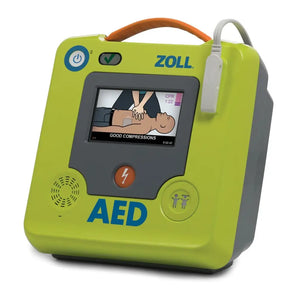
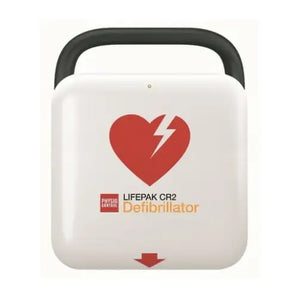
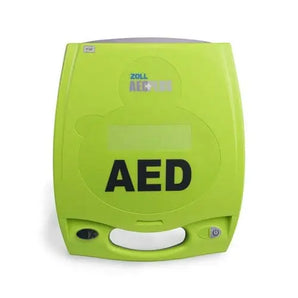
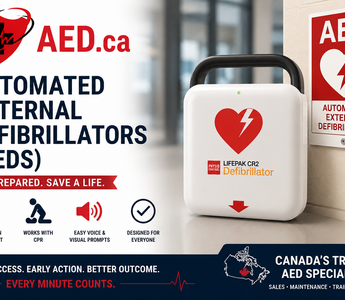
An Automated External Defibrillator (AED) is a portable medical device designed to treat someone experiencing sudden cardiac arrest (SCA).
The AED automatically:
-
Analyzes the person's heart rhythm
-
Determines whether a shock is required
-
Delivers (or instructs the rescuer to deliver) a life-saving electrical shock if appropriate
-
Provides clear voice and visual instructions throughout the rescue
One of the biggest misconceptions is that AEDs are complicated to use.
They aren't.
Modern AEDs are designed for ordinary people with little or no medical experience. They guide users through every step of the rescue process.
Related Reading: How to Use an AED: A Step-by-Step Guide
Where Should AEDs Be Installed?
Across Canada, AEDs are becoming common in public places such as:
-
Hockey arenas
-
Community centres
-
Recreation facilities
-
Schools
-
Airports
-
Shopping centres
-
Government buildings
However, many Canadian workplaces still do not have an AED—even though employees spend a significant portion of their lives at work.
Every organization should consider installing AEDs in:
-
Offices
-
Manufacturing facilities
-
Warehouses
-
Construction sites
-
Churches
-
Farms
-
Dental clinics
-
Medical clinics
-
Fitness facilities
-
Hotels
-
Retail stores
-
Industrial facilities
The reality is simple:
You never know where the next cardiac arrest will happen.
Not All AEDs Are the Same
Although every AED is designed to save lives, they don't all offer the same features.
Depending on the model, an AED may include:
-
Fully automatic or semi-automatic shock delivery
-
Real-time CPR coaching
-
CPR feedback technology
-
Bilingual English/French operation
-
Pediatric rescue capability
-
Wi-Fi or cloud connectivity for remote monitoring
-
Enhanced durability for demanding environments
Choosing the right AED depends on your workplace, environment, and the people who may need it.
At AED.ca, we help organizations select the best solution—not simply the most expensive one.
Related Reading: How to Choose the Right AED for Your Workplace
An AED Is Only Effective If It's Ready
Buying an AED is only the first step.
An AED that isn't maintained properly may not function when it's needed most.
Most AEDs perform automatic self-tests, but that doesn't eliminate the need for regular inspections.
A proper AED maintenance program should include:
-
Verifying the AED indicates it is rescue ready
-
Inspecting adult and pediatric pads
-
Checking battery status
-
Replacing expired pads
-
Replacing expired batteries
-
Confirming all rescue accessories are present
-
Cleaning the unit when required
-
Responding immediately to any warning indicators or service alerts
Ignoring warning lights or service prompts could leave your organization with an AED that is unavailable during an emergency.
Don't Forget the Accessories
An AED rescue kit should include more than just the defibrillator.
Recommended accessories include:
-
Adult electrode pads
-
Pediatric pads or pediatric key (if applicable)
-
Spare battery
-
Trauma shears
-
Disposable gloves
-
CPR rescue mask
-
Disposable razor
-
Absorbent towel
Many rescue accessories are single-use items and must be replaced after use.
Pads and batteries also expire—even if the AED has never been used.
Why Regular AED Inspections Matter
Regular AED inspections provide peace of mind that your device is ready for an emergency.
Routine inspections help identify:
-
Expired pads
-
Batteries nearing end of life
-
Missing accessories
-
Physical damage
-
Environmental concerns
-
Service notifications
At AED.ca, our Full-Service AED Maintenance Program makes compliance easy by handling inspections, documentation, reminder notifications, replacement scheduling, and ongoing support so organizations can focus on running their business.
Learn more:
AED.ca Full-Service Maintenance Plan
Should Employees Receive AED Training?
Although modern AEDs are designed for untrained rescuers, CPR and AED training gives employees greater confidence during an emergency.
Training programs offered by organizations such as:
-
Canadian Red Cross
-
Heart & Stroke
-
St. John Ambulance
teach participants how to:
-
Recognize sudden cardiac arrest
-
Perform high-quality CPR
-
Safely operate an AED
-
Work effectively with emergency responders
Even if no one on-site has formal training, an AED can still be used because it provides clear step-by-step voice instructions.
Workplace Safety Means Being Prepared
Many workplace safety improvements become common long before legislation requires them.
Seat belts, fire extinguishers, smoke alarms, and emergency lighting all became standard because they save lives.
AEDs are following the same path.
Whether or not your province currently requires an AED, having one demonstrates a commitment to:
-
Workplace safety
-
Employee wellbeing
-
Customer protection
-
Emergency preparedness
-
Corporate responsibility
When a sudden cardiac arrest occurs, having an AED available can mean the difference between life and death.
Why Organizations Across Canada Choose AED.ca
AED.ca helps organizations across Canada build complete AED programs—not simply purchase a device.
We provide:
-
Expert guidance on choosing the right AED
-
Canada's leading AED brands
-
Bilingual AED solutions
-
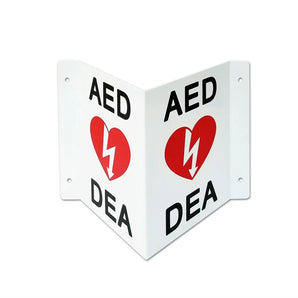
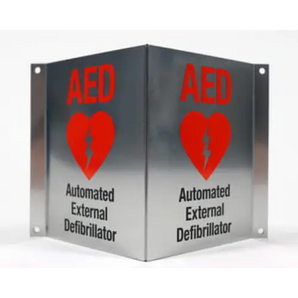
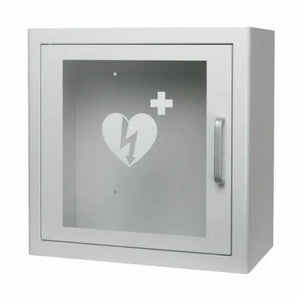
AED cabinets and signage
-
AED accessories
-
Ongoing maintenance and inspections
-
Pad and battery replacement reminders
-
Workplace AED compliance support
-
Friendly Canadian customer service
Our goal is simple:
To help every workplace be prepared before an emergency happens.
Protect Your Workplace Today
Sudden cardiac arrest can happen to anyone, anywhere, at any time.
Having an Automated External Defibrillator (AED) on-site gives your employees, customers, and visitors the best possible chance of survival while emergency medical services are on the way.
If you're ready to improve your workplace safety program, AED.ca is here to help.
Contact AED.ca today to find the right AED, schedule an inspection, or learn more about our comprehensive AED maintenance services.