Where Are AEDs Required
When it comes to workplace safety, one question Canadian employers frequently ask is whether an AED defibrillator Canada requirement exists for their facility. Understanding the legal landscape around automated external defibrillators can help businesses make informed decisions about protecting their employees and visitors from sudden cardiac arrest.

The Current State of AED Legislation in Canada
The straightforward answer is that AEDs are not federally mandated in Canadian workplaces. At the national level, there is no occupational health and safety legislation that specifically requires employers to install an AED machine at their workplace. However, the landscape varies significantly by province and territory, with some regions taking proactive steps toward making these life-saving devices more accessible.
Provincial Variations: A Patchwork Approach
Ontario stands at the forefront of AED legislation in Canada. In 2020, the province passed Bill 141, known as the Defibrillator Registration and Public Access Act. This groundbreaking legislation will require AEDs to be installed in designated public premises, with requirements for proper signage, maintenance, training, and registration. However, as of 2024, the implementing regulations have not yet been published, meaning the law is not currently in effect. Once enacted, Ontario will become the first jurisdiction in Canada with mandatory workplace AED requirements.
Manitoba became Canada's pioneer in AED legislation over a decade ago, requiring these devices at specific publicly accessible sites including fitness facilities, community centers, schools, airports, and government buildings. While this legislation focuses on public venues rather than general workplaces, it demonstrates the province's commitment to cardiac emergency preparedness. https://www.gov.mb.ca/health/aed/list.html?utm_source=chatgpt.com
British Columbia has implemented the Cardiovascular Health Strategy and requires AEDs in certain high-risk workplace environments. WorkSafeBC guidelines encourage employers to assess factors such as workforce size, employee age and health, workplace hazards, and access to emergency services when deciding whether to install an AED machine Canada facilities.
Alberta takes an encouraging rather than mandatory approach. The province's Occupational Health and Safety legislation requires employers to do what is reasonably practicable to ensure worker health and safety, which includes considering AED installation. Alberta OHS Guidelines specifically support the use of automated external defibrillators when properly integrated into workplace first aid programs.
Other provinces including Quebec, Saskatchewan, Nova Scotia, Prince Edward Island, Newfoundland and Labrador, and the territories currently have no specific AED requirements for workplaces, though guidelines and recommendations exist.
Why Consider an AED Purchase Canada Even Without a Mandate?
While an AED defibrillator price represents an investment, the life-saving potential far outweighs the cost. Here's why forward-thinking Canadian employers are choosing to make an AED purchase Canada:
The Compelling Statistics
Sudden cardiac arrest can happen anywhere, including the workplace. Research shows that approximately 10,000 sudden cardiac arrest emergencies occur at work in North America annually. With 1 in 12 Canadian adults over 20 living with heart disease, the likelihood of a cardiac emergency in your workplace is very real.
Survival Rates Tell the Story
The survival rate for out-of-hospital cardiac arrests is approximately 10%. However, when an AED is used in combination with CPR, survival rates can jump to over 70%. Every minute without defibrillation decreases survival chances by 7-10%, making immediate access to an AED machine critical.
Legal Protection for Users
One concern that prevents some employers from purchasing an AED is liability. The good news is that Good Samaritan laws exist across Canada (in all provinces except New Brunswick and Nunavut) to protect individuals who provide emergency assistance. No one in Canada has ever been successfully sued for using an AED defibrillator. Modern AEDs are designed with safety features that prevent misuse—they cannot deliver a shock unless they detect a heart rhythm requiring defibrillation.
Understanding AED Defibrillator Cost Considerations
When evaluating an AED for sale options, Canadian businesses should consider both initial and ongoing costs:
Initial Investment
An AED defibrillator price in Canada typically ranges from $2,000 to $3,000 for the unit itself. The price varies based on:
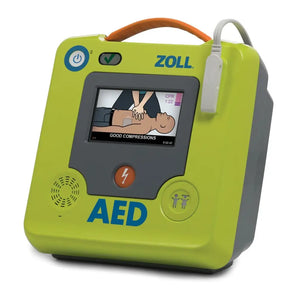
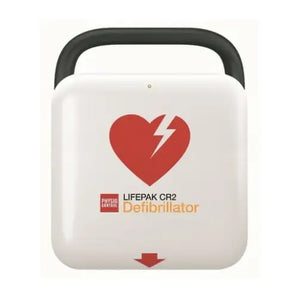
- Brand and model (Zoll, Philips, HeartSine, Defibtech, Physio-Control)
- Features (semi-automatic vs. fully automatic, bilingual options, WiFi connectivity)
- Included accessories (carrying case, wall cabinet)
When comparing AED price Canada options, look for Health Canada-approved devices from licensed distributors.
Ongoing Maintenance Costs
Beyond the initial AED purchase, consider these recurring expenses:
AED Pads: Replacement electrode pads typically have a 2-5 year shelf life, depending on the brand. Philips AED defibrillator pads generally last 2 years, while Zoll pads can last up to 5 years.
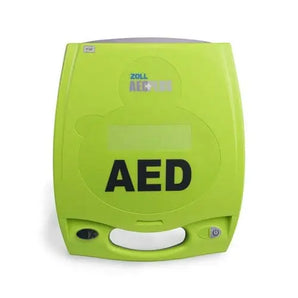
Batteries: Most AED batteries last 4-5 years. Some models, like the Zoll AED Plus, offer 5-year batteries that help reduce long-term costs.
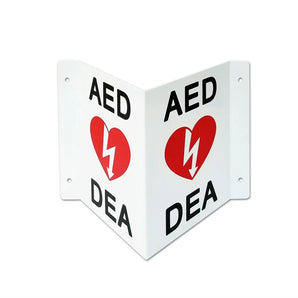
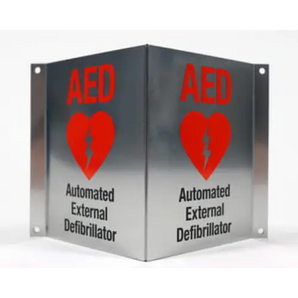
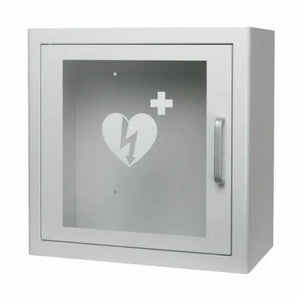
Cabinets and Signage: An AED defibrillator sign ensures visibility and accessibility. Wall cabinets protect the device and make it easily identifiable in emergencies.
Funding Opportunities
Some provinces offer subsidies to help offset AED costs. For example, New Brunswick's Heart and Stroke Foundation recently launched a program covering up to 75% of costs (maximum $3,500) for the AED machine, cabinet, signage, accessories, maintenance, and training.
Essential Requirements for Workplace AEDs
If you decide to make an AED purchase Canada, regardless of whether it's mandated, certain best practices should be followed:
Proper Integration
The AED should be integrated into your workplace's first aid program and emergency response plan. This ensures that when an emergency occurs, everyone knows where the device is located and how to access it.
Training
While AEDs are designed to be user-friendly with voice-guided instructions and used by anyone, training significantly increases confidence and effectiveness. Many jurisdictions recommend that AED operators receive certification in CPR and AED use. Training should be updated regularly to maintain competency.
Strategic Placement
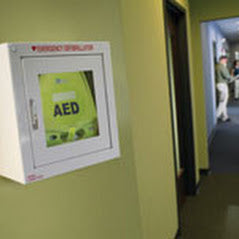
Place your AED machine in a highly visible, easily accessible location. The device should be retrievable within 3-5 minutes from anywhere in your facility. Consider:
- High-traffic areas
- Near high-risk work zones
- Away from extreme temperatures
- In locations marked with clear AED defibrillator sign indicators
Regular Maintenance
Follow the manufacturer's guidelines for testing and maintenance. Many modern AEDs perform automatic self-tests, but regular visual inspections should confirm that:
- The ready indicator light is functioning
- AED pads are within their expiration date
- The battery has adequate charge
- The unit is free from physical damage
Registration
When Ontario's Bill 141 comes into effect, and in Manitoba currently, AED registration with provincial 911 emergency services is mandatory. Even where not required, registration ensures that emergency dispatchers can direct callers to the nearest AED during a cardiac emergency.
Making the Right AED Defibrillator Canada Decision
When selecting an AED for sale for your Canadian workplace, consider these factors:
Language Options: In Canada's bilingual landscape, consider devices with English and French voice prompts and instruction panels.
Environment: Some workplaces require AEDs with higher IP ratings for protection against dust, water, or extreme conditions.
Ease of Use: Look for devices with clear visual and audio prompts, intuitive pad placement guides, and CPR coaching features.
Shelf Life: Longer battery and pad life reduce replacement frequency and total cost of ownership.
Support: Choose suppliers who provide Canadian-based customer support, maintenance reminders, and easy access to replacement AED defibrillator pads and batteries.
Warranty: Ensure comprehensive warranty coverage for the device.
The Business Case Beyond Compliance
Even in provinces without mandatory requirements, installing an AED demonstrates corporate responsibility and can:
- Enhance employee confidence in workplace safety
- Reduce response time during cardiac emergencies
- Demonstrate duty of care to employees and visitors
- Potentially reduce liability in the event of a cardiac incident
- Contribute to a positive workplace safety culture
- Meet certain insurance or certification requirements
Conclusion: Preparedness Over Requirement
While automatic external defibrillators are not yet mandatory in most Canadian workplaces, the question shouldn't be "are we required to have one?" but rather "can we afford not to have one?" An AED machine Canada installation represents a relatively modest investment with extraordinary potential—the ability to save a life.
As provinces like Ontario move toward mandatory requirements and others strengthen their guidelines, the trend is clear: AED accessibility is becoming an expected standard in Canadian workplaces, much like fire extinguishers. Forward-thinking employers who act now position themselves ahead of regulatory changes while immediately enhancing workplace safety.
Whether you're researching AED price Canada options, comparing AED defibrillator cost considerations, or ready to make an AED purchase, the most important step is taking action. When sudden cardiac arrest occurs, having an AED machine readily available and personnel trained to use it can mean the difference between life and death.
For more information about selecting the right AED defibrillator for your Canadian workplace, or to explore current AED for sale options, contact Canada's AED Company, AED.ca who can assess your specific needs and ensure compliance with Health Canada regulations.
Remember: An AED is more than just a regulatory checkbox—it's a commitment to the safety and wellbeing of everyone who enters your workplace. Contact AED.ca today for more information.