AEDs are Essential Life-Saving Equipment for Every Canadian Workplace and Public Space
In emergency preparedness, Canadians are well-versed in the importance of fire extinguishers and first aid kits. These safety essentials are standard fixtures in offices, schools, recreational facilities, and public spaces across the country. However, there's a critical piece of life-saving equipment that deserves equal prominence in our emergency response toolkit: the Automated External Defibrillator (AED).
The Life-Saving Impact of AEDs
Sudden cardiac arrest strikes without warning and can affect anyone, regardless of age or health status. In Canada, approximately 50,000 people experience out-of-hospital cardiac arrests annually, with survival rates remaining tragically low at around 8-10%. The key to dramatically improving these statistics lies in rapid response and immediate access to defibrillation. The survival rate with CPR and an AED together is over 70%.
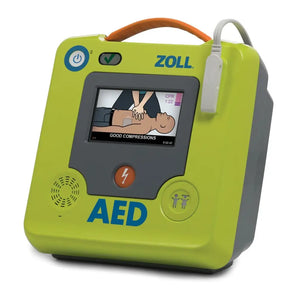
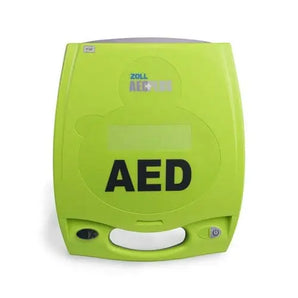
When someone experiences sudden cardiac arrest, their heart stops beating effectively, cutting off blood flow to vital organs. Brain damage can begin within minutes, making time absolutely critical. An AED defibrillator can analyze the heart's rhythm and deliver an electric shock to restore normal heart function – but only if it's readily available.
The science is clear: for every minute that passes without defibrillation, the chance of survival decreases by 7-10%. This means that having an automated external defibrillator within immediate reach can literally mean the difference between life and death.
Why AEDs Belong Alongside Fire Extinguishers and First Aid Kits
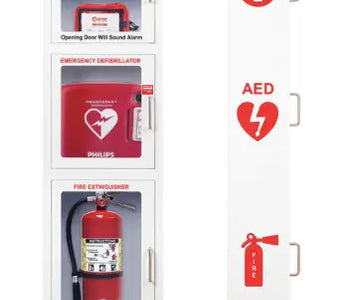
Just as we wouldn't consider a building properly equipped without fire safety measures, the same logic should apply to cardiac emergency preparedness. Here's why AEDs deserve equal status with other essential safety equipment:
Accessibility During Critical Moments: Fire extinguishers are positioned strategically because fires spread quickly. Similarly, cardiac arrests demand immediate intervention. An AED for sale and properly installed in your facility ensures that life-saving treatment is available within the crucial first minutes of a cardiac emergency.
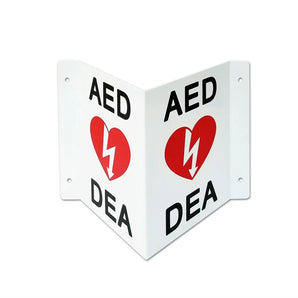
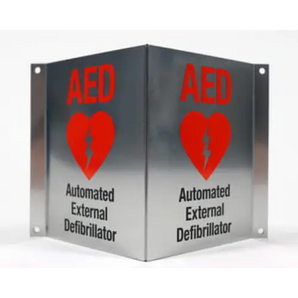
Ease of Use: Modern automated external defibrillators are designed for use by non-medical personnel. Clear voice prompts guide users through each step, making it possible for anyone to potentially save a life. The AED sign marking these devices helps ensure they can be located quickly during emergencies.
Legal and Ethical Responsibility: While not yet mandatory in all Canadian provinces, many jurisdictions are moving toward requiring AEDs in public spaces. Beyond legal compliance, organizations have an ethical obligation to provide the safest possible environment for employees, visitors, and customers.
Understanding AED Costs and Implementation
Many organizations hesitate to invest in AEDs due to concerns about cost, but the investment is more accessible than many realize. When considering "how much is an AED," it's important to view the expense in context of the value it provides.
The automated external defibrillator price typically ranges from $2,200 to $2,500 CAD for quality units, depending on features and manufacturer. When you factor in the cost of installing a defibrillator – which includes training, signage, and ongoing maintenance – the total investment usually falls between $2,500 and $3,000 per unit.
For organizations evaluating whether to automated external defibrillator buy, consider that this represents a one-time investment that could serve your facility for 8-10 years or more. When viewed on an annual basis, the cost becomes quite reasonable, especially considering the potential to save lives.
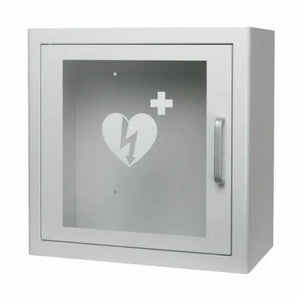
An AED defibrillator cabinet adds additional protection for the device while ensuring it remains visible and accessible. These cabinets typically cost $300 and provide climate control, theft protection, and clear visibility through transparent doors.
Recommended AED
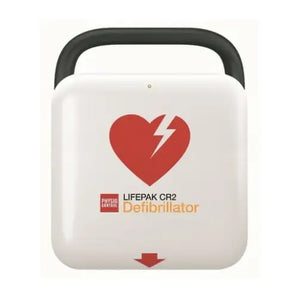
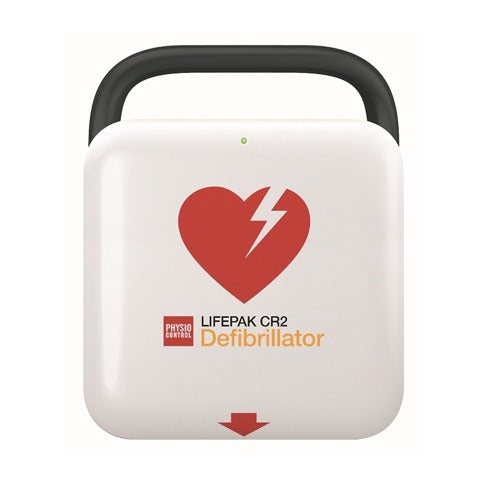
Physio-Control CR2 AED
Reasons why recommend:
-
Ability to switch between adult and child rescue at the press of a button - only one set of pads needed
-
Pads & Batteries both last for your years
-
Fully Bilingual
- Highly resistant to dust and moisture and has an ingress protection (IP) rating of 55. This is among the highest in the industry.
For more information go to:
https://aed.ca/products/stryker-physio-cr2-semi-auto-english-wifi
Making the Right Choice for Your Organization
For Canadian organizations ready to make this life-saving investment, selecting the right supplier is crucial. AED.ca has established itself as a trusted resource for organizations across Canada, offering comprehensive solutions that go beyond just equipment sales.
When you AED purchase Canada through established suppliers like AED.ca, you benefit from:
- Expert guidance on selecting the right model for your specific needs
- Comprehensive training programs for staff
- Ongoing maintenance and support services
- Assistance with proper placement and AED sign installation
- Regular battery and electrode pad replacement programs
The Broader Impact: Building Cardiac-Safe Communities
The goal isn't just to equip individual buildings with AEDs – it's to create a network of cardiac-safe spaces across Canadian communities. When AEDs become as common as fire extinguishers, we create an environment where anyone experiencing sudden cardiac arrest has a fighting chance, regardless of where the emergency occurs.
Consider the ripple effect: a visitor to your facility, a delivery person, a contractor, or even a passerby on the street could benefit from your organization's decision to install an AED. The investment extends far beyond your immediate community to serve the broader public good.
Taking Action: Implementation Steps
Organizations ready to enhance their emergency preparedness should consider these steps:
- Assess Your Needs: Evaluate your facility size, occupancy, and risk factors to determine optimal AED placement locations.
- Budget Planning: Factor in the automated external defibrillator for sale price, cabinet costs, training expenses, and ongoing maintenance when creating your budget.
- Staff Training: Train multiple staff members in AED use and CPR, creating redundancy in your emergency response capabilities.
- Integration with Emergency Protocols: Incorporate AED use into your existing emergency response procedures, ensuring seamless coordination with local emergency services.
- Regular Maintenance: Establish protocols for regular device checks, battery replacement, and electrode pad updates to ensure your AED remains ready for use.
Conclusion: The Time to Act is Now
The question isn't whether AEDs should be standard equipment in Canadian workplaces and public spaces – it's how quickly we can make this life-saving technology universally accessible. Just as we've normalized the presence of fire extinguishers and first aid kits, AEDs deserve recognition as essential safety equipment.
The cost of installing a defibrillator pales in comparison to its potential impact. For organizations evaluating this investment, remember that you're not just purchasing equipment – you're investing in the safety and well-being of everyone who enters your space.
As we work toward building safer communities across Canada, let's ensure that rapid response to cardiac emergencies becomes as accessible as response to fires or other medical incidents. The technology exists, proven suppliers like AED.ca provide comprehensive support, and the need is undeniable.
The only question remaining is: when will your organization join the growing number of Canadian facilities making this life-saving commitment?