How Do AEDs Compare to Insurance?
When was the last time you questioned having home or auto insurance? Most of us hand over hundreds or thousands each year for coverage we genuinely hope never to use. We don't expect our houses to burn down or our cars to get damaged, but we pay for that protection anyway because the alternative is unthinkable.
Here's something I've been thinking about lately: we're incredibly disciplined about insuring our possessions and assets, yet many Canadian businesses and community spaces still don't have an Automated External Defibrillator on hand. The comparison between insurance and AED safety is worth examining because the logic is remarkably similar.
Why We Pay for Insurance Without Thinking Twice
Look at your annual insurance bills for a second. Home insurance runs about $2,000 a year for most Canadian households. Car insurance? Anywhere from $1,500 to $3,000 depending where you live and your driving record. Life insurance adds another $500 to $2,000 annually if you've got decent coverage.
That's a lot of money going out the door each year for events we're actively trying to avoid. Nobody buys life insurance planning to die soon. We buy it because we understand that some risks are too serious not to prepare for, even when the odds seem remote.
Sudden cardiac arrest is one of those risks. It happens to roughly 50,000 Canadians each year outside of hospitals. It doesn't care if you're young or old, fit or not. One minute someone's fine, the next they're in a life-threatening emergency. And here's the thing—survival rates drop 7-10% every minute without intervention. But when someone has immediate access to an AED automated defibrillator and knows CPR, survival rates can jump as high as 75%.
So when people ask "Do I need an AED?"—and they do ask this question—I'd flip it around: do you need insurance? Because if you understand why you insure your car, you'll understand why having an AED makes sense.
The Math Actually Works in Your Favour
Insurance is expensive because you're paying every single year. Those premiums add up. An automated external defibrillator, on the other hand, is a one-time purchase that'll serve you for years.
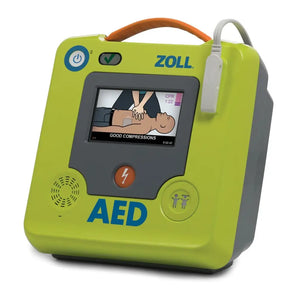
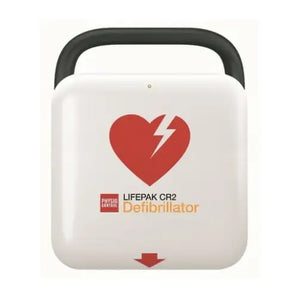
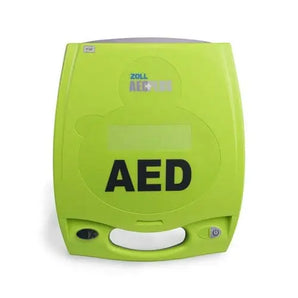
The automated external defibrillator cost in Canada typically costs about $2,500 depending on the model and features. Compare that to what you're already spending on insurance. For less than one year's worth of your combined premiums, you could have a device that might save someone's life—and unlike insurance, which just helps you recover financially after something bad happens, an AED actually prevents the worst outcome.
Maintenance is minimal too. You'll need to replace batteries and electrode pads periodically, but there are no monthly bills, no annual renewals where the price mysteriously increases, and no deductibles when it's time to actually use the thing. The AED defibrillator price you pay upfront is basically it.
What About Legal Worries?
I hear this concern sometimes: "What if I use it wrong? Could I get sued?"
This is where the Canadian Good Samaritan Law comes in. Every province and territory in Canada has legislation protecting people who help during emergencies. If you're acting in good faith and not being grossly negligent, you're legally covered under what's sometimes called the Good Citizen Law. You're trying to save a life—the law recognizes that and protects you.
Plus, modern AEDs are designed so you really can't mess up. They give you voice instructions, they analyze whether a shock is needed, and they won't let you deliver a shock unless it's appropriate. You can't accidentally make things worse. The device won't allow it.
How AED and CPR Work Together
The best emergency response isn't just one thing—it's a combination. CPR keeps some blood flowing to the brain and organs, buying time. An AED restarts the heart's normal rhythm. Together, they're incredibly effective. When you're thinking about buying an automated external defibrillator, consider getting CPR training as well.
What Makes a Good AED?
You wouldn't pick the cheapest insurance policy with terrible coverage just to save a few bucks, right? Same principle applies here. The best AED for your situation depends on your specific environment and needs.
Things to look for: clear voice instructions, long battery life, durability (especially important in Canada with our temperature extremes), pediatric capability if you're in a space with kids, and solid support from your supplier. The best AED is the one that's appropriate for where you'll use it, properly maintained, and actually accessible when someone needs it.
Why AED.ca Stands Out
AED.ca has become the go-to source for automated external defibrillators across Canada, and there's a good reason for that. They're not just selling boxes—they're helping organizations implement complete emergency response systems.
What I appreciate about their approach is that they handle everything: site assessments to figure out where to place devices, training so people actually know what to do, maintenance programs to keep everything functional, and ongoing technical support. It's turnkey, which matters because most organizations don't have expertise in this area. They make it straightforward instead of overwhelming.
Martin Andrews, who runs AED.ca as President, has spent years working in the AED business. His whole focus is on making AED safety accessible across Canadian communities. He's not just running a business—he's genuinely committed to getting these devices where they need to be.
I've heard him say "AEDs save lives, but only if they're accessible" more than once, and he means it. Under his leadership, AED.ca has equipped many locations across the country. Small community centers in rural areas, big facilities in cities and everything in between—he works with everyone.
What's useful about Martin's expertise is that it's practical. He understands the technical side of the equipment, sure, but he also knows the real-world challenges of implementation. How do you train staff effectively? Where should you mount the device? How do you integrate this into existing safety procedures? He's thought through all of it because he's been doing this for years.
His background gives him credibility when he's consulting with organizations about their emergency response plans. People trust his recommendations because they're based on actual experience, not just sales pitches.
Making This Happen
If you've made it this far, you probably already get why this matters. You're already someone who values preparation—that's why you have insurance. This is just extending that same thinking to a different kind of emergency.
Here's what actually implementing this looks like:
Take a look at your space. Where do people gather? Your workplace, your community center, your gym—wherever people are present regularly is a place where cardiac arrest could happen.
Talk to AED.ca about which models make sense for your situation. Not every space needs the same setup, and they can help figure out what's appropriate.
Think about the cost in the context of what you already spend on protection. One-time purchase versus annual premiums. It's not a huge expense when you frame it that way.
Don't just buy the device and forget about it. Make sure people know where it is. Get training. Keep it maintained. AED.ca handles all this, which is why working with them makes sense.
The Real Question
We protect our homes, our cars, our income, our lives—all through insurance policies that we pay for year after year without questioning whether we really need them. We know we need them because some risks are too serious to ignore.
For a one-time cost that's less than what you'll pay for a many of your of insurance policies, you can protect against sudden cardiac arrest. The Canadian Good Samaritan Law has your back legally. The technology works and is proven. The cost is reasonable, especially compared to insurance. There's really no good argument for not having this protection in place.
Every workplace, school, community space, and public building should have an AED. We've removed all the reasonable objections. The equipment is reliable, affordable, and legally protected. What's left is just making the decision.
Don't wait until there's an emergency to wish you'd done this. Reach out to AED.ca, talk through your options for an automated external defibrillator buy, and get this sorted. Because here's the difference between insurance and an AED: insurance helps you recover after something terrible happens. An AED might prevent the terrible thing from happening at all.
You already know protection is worth paying for—that's why you have insurance. An AED is just the next logical step in that same philosophy, except this one protects what matters most. Contact AED.ca today for more information.