The Life-Saving Impact of Automated External Defibrillators
When sudden cardiac arrest strikes, every second counts. Automated external defibrillators (AEDs) have emerged as one of the most critical tools in saving lives during cardiac emergencies. Understanding the statistics behind cardiac arrest in Canada reveals why AED deployment and public access to defibrillation are more important than ever. This comprehensive guide examines the latest AED statistics, survival rates, and the urgent need for widespread defibrillator availability across Canada.
The Alarming Reality of Cardiac Arrest in Canada
Cardiac arrest remains one of the leading causes of death in Canada, claiming thousands of lives annually. The statistics paint a sobering picture of the cardiac emergency landscape in our country.
Out-of-Hospital Cardiac Arrest Statistics
Canada experiences approximately 50,000 out-of-hospital cardiac arrests annually, with a survival rate of only about 10%. This translates to one cardiac arrest occurring every nine minutes somewhere in Canada. These startling numbers underscore the critical need for immediate emergency response and increased public awareness about cardiac arrest intervention.
Between 80 and 85 percent of out-of-hospital cardiac arrests happen in the home, with the remainder occurring in public settings. This distribution highlights why having AEDs available in both residential and public environments is essential for improving survival outcomes.
Current Survival Rates: A Call to Action
The survival rate for out-of-hospital cardiac arrest in Canada currently sits at around 8-12%, depending on the region. This low survival rate represents a significant public health challenge that demands immediate attention and action from communities, workplaces, and institutions across the country.
The regional variation in survival rates also indicates that some areas have implemented more effective emergency response systems than others, demonstrating that improved outcomes are achievable with the right resources and training.
The Transformative Power of AEDs: Statistics That Save Lives
The statistics surrounding AED use reveal their extraordinary potential to save lives when deployed effectively. Understanding these numbers helps illustrate why automated external defibrillators should be considered essential safety equipment, not optional additions.
Dramatic Survival Rate Improvements with AED Use
When CPR is performed immediately and an AED is used within the first few minutes, survival rates can increase dramatically to 70% or higher. This represents a seven-fold increase in survival compared to cardiac arrests where no intervention occurs.
The chance of survival with CPR plus AED within three minutes can reach up to 75%. This statistic emphasizes the critical importance of the "golden window" immediately following cardiac arrest when rapid defibrillation has the greatest impact on patient outcomes.
Research has shown that defibrillation effectiveness decreases by approximately 10% with every minute that passes without intervention. This time-sensitive nature of cardiac arrest makes the proximity and accessibility of AEDs a matter of life and death.
AED Effectiveness in Public Settings
Survival rates reach 35% among public location cardiac arrests where an AED was applied, compared to 20% survival among public location cases with bystander CPR but no AED application. This data demonstrates that while CPR alone significantly improves outcomes, the addition of an AED nearly doubles the chances of survival.
Public AEDs are used in approximately 30% of out-of-hospital cardiac arrests, and when used, portable AEDs achieve successful defibrillation in 90% of appropriate cases. The high success rate of defibrillation when AEDs are available underscores their reliability and effectiveness as life-saving devices.
Bystander Intervention: The Critical First Response
High survival rates have been observed in sports-related cardiac arrests in Canada, attributed to high rates of bystander-initiated CPR and AED use, with more than 50% surviving to discharge. Sports venues typically have well-established emergency action plans and readily available AEDs, demonstrating what's possible when proper preparation meets quick action.
The sports-related cardiac arrest statistics serve as a model for what can be achieved in other public settings when AEDs are accessible and people are prepared to use them.
Understanding Why AEDs Are Essential: The Medical Evidence
To fully appreciate the importance of AED statistics, it's crucial to understand the medical mechanisms behind sudden cardiac arrest and why defibrillation is so effective.
The Nature of Sudden Cardiac Arrest
Sudden cardiac arrest occurs when the heart suddenly stops beating effectively, typically due to ventricular fibrillation (VF) or ventricular tachycardia (VT). During these arrhythmias, the heart's electrical system malfunctions, causing the heart to quiver ineffectively instead of pumping blood to vital organs.
Without immediate intervention, brain damage begins within four to six minutes, and death can occur within eight to ten minutes. This narrow window for survival explains why immediate access to an AED is so critical.
How AEDs Save Lives
Automated external defibrillators work by analyzing the heart's rhythm and, when appropriate, delivering an electrical shock to restore normal heart function. The device's computerized system ensures that shocks are only delivered when necessary, making them safe for use by trained and untrained bystanders alike.
The simplicity and effectiveness of modern AEDs have transformed the landscape of emergency cardiac care, putting life-saving technology in the hands of ordinary citizens who happen to be in the right place at the right time.
The Gap Between Need and Availability: Current Challenges
Despite the compelling statistics supporting AED deployment, significant gaps remain in AED accessibility across Canada.
Workplace Cardiac Emergencies
Studies indicate that approximately 10,000 cardiac arrests occur annually in North American workplaces. However, research shows that only 50% of people can locate an AED at their workplace, representing a critical gap in emergency preparedness.
This statistic reveals that even when workplaces invest in AEDs, poor placement, inadequate signage, or lack of employee awareness can render these devices ineffective during emergencies.
Public Access and Deployment Challenges
AED requirements vary by province, leading to inconsistent deployment statistics across Canada. This patchwork approach to AED legislation means that survival rates can vary significantly depending on where a cardiac arrest occurs.
The lack of standardized requirements for AED deployment in public spaces, schools, recreational facilities, and workplaces represents a missed opportunity to save lives across the country.
The Economic Case for AED Investment
Beyond the moral imperative to save lives, there's a compelling economic argument for widespread AED deployment in Canadian communities and workplaces.
Cost-Effectiveness of AED Programs
Studies have shown that public access defibrillation programs are cost-effective, particularly when implemented in locations with high foot traffic or higher-risk populations. The cost per life saved through AED programs compares favorably to many other accepted medical interventions.
When considering lost productivity, emergency response costs, and long-term healthcare expenses associated with cardiac arrest survivors who suffered prolonged hypoxia, the investment in AEDs becomes even more justified from an economic perspective.
Return on Investment Through Lives Saved
Research extrapolating from major studies suggests that AED application by bystanders could save approximately 474 lives annually when scaled across the US and Canadian population, representing nearly a doubling of survival rates after cardiac arrest.
Each life saved through AED intervention represents not just immeasurable value to families and communities, but also substantial economic benefit through preserved productive years and reduced healthcare costs.
Regional Variations in AED Access and Cardiac Arrest Outcomes
Cardiac arrest survival rates vary significantly across Canadian provinces and municipalities, largely due to differences in emergency response infrastructure, AED deployment, and public awareness.
Urban vs. Rural Disparities
Urban centers typically have shorter emergency response times and greater AED availability in public spaces, contributing to better survival outcomes. Rural and remote communities face unique challenges including longer distances to emergency care and fewer publicly accessible AEDs.
Addressing these geographic disparities requires targeted strategies for rural AED deployment and community training programs tailored to areas where professional emergency response may be delayed.
Provincial Differences in Legislation and Requirements
The variation in provincial AED regulations creates inconsistent protection across Canada. Some provinces have implemented progressive legislation requiring AEDs in specific settings, while others rely on voluntary adoption, resulting in uneven access to potentially life-saving equipment.
Recent legislative developments, such as Ontario's groundbreaking requirement for AEDs on construction sites, demonstrate the potential for policy intervention to improve cardiac arrest outcomes.
Barriers to AED Use: Addressing the Statistics
While AED availability is crucial, the statistics also reveal that these devices are underutilized even when present. Understanding and addressing the barriers to AED use is essential for maximizing their life-saving potential.
Fear and Hesitation Among Bystanders
Research indicates that even when AEDs are available, bystanders may hesitate to use them due to fear of doing harm, lack of confidence, or uncertainty about legal liability. These psychological barriers can be as significant as physical availability in determining whether an AED is used during a cardiac emergency.
Good Samaritan legislation exists across all Canadian provinces to protect individuals who provide emergency assistance, yet many Canadians remain unaware of these protections.
Training and Awareness Gaps
While modern AEDs are designed to be intuitive with voice prompts guiding users through each step, training significantly improves the likelihood that bystanders will act quickly and confidently during cardiac emergencies.
Increasing the percentage of Canadians trained in CPR and AED use represents one of the most effective strategies for improving cardiac arrest survival rates nationwide.
The Future of AED Deployment in Canada: Emerging Trends
The landscape of automated external defibrillator deployment and cardiac arrest response continues to evolve with new technologies and approaches emerging to address the gaps in current systems.
Smart AED Technologies and Connectivity
Next-generation AEDs feature connectivity that can automatically alert emergency services when the device is activated, providing real-time location data and potentially reducing response times. These connected devices can also streamline maintenance by automatically reporting battery status and pad expiration dates.
AED Registries and Mobile Applications
Several provinces and municipalities are developing AED registries that map publicly accessible defibrillators, with some integrating this data into mobile applications that can guide users to the nearest AED during emergencies. These technological solutions help address the visibility and accessibility challenges that limit AED use.
Drone-Delivered AED Programs
Some jurisdictions are piloting programs using drones to deliver AEDs to cardiac arrest scenes, potentially reducing the time to defibrillation in areas with longer emergency response times. While still in early stages, these innovations represent creative approaches to the challenge of rapid AED deployment.
Building a Culture of Cardiac Preparedness
Improving Canada's cardiac arrest survival statistics requires more than just deploying additional AEDs. It demands a comprehensive approach that includes equipment, training, awareness, and cultural change.
The Role of Education and Training
Widespread CPR and AED training creates a population prepared to respond effectively during cardiac emergencies. Schools, workplaces, community organizations, and healthcare providers all have roles to play in expanding access to life-saving training.
Some jurisdictions have implemented CPR training requirements in school curricula, ensuring that young people graduate with the knowledge and confidence to respond during cardiac emergencies.
Community-Based Initiatives
Community first responder programs, where trained volunteers can be rapidly dispatched to cardiac arrests, have shown promising results in improving survival rates. These programs leverage AED locations and trained personnel to provide care during the critical minutes before ambulance arrival.
Workplace Emergency Action Plans
Organizations that develop and regularly practice emergency action plans for cardiac arrest see better outcomes when actual emergencies occur. These plans should include clear AED locations, trained response teams, and regular drills to ensure smooth execution during high-stress situations.
Taking Action: What the Statistics Mean for You
The statistics are clear: AEDs save lives when they're available and used quickly. Whether you're a business owner, facility manager, community leader, or concerned citizen, you have a role to play in improving cardiac arrest outcomes in Canada.
Recommendations for Organizations
- Conduct a risk assessment to determine appropriate AED placement and quantity for your facility
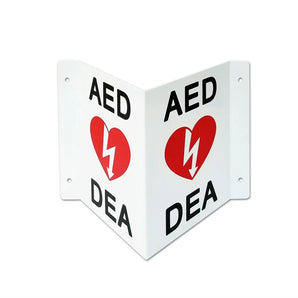
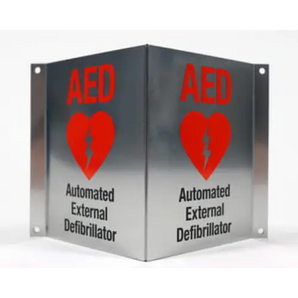
- Install AEDs in accessible locations with clear signage and visibility
- Develop and practice emergency action plans that include AED response protocols
- Provide CPR and AED training to staff, volunteers, or community members
- Implement a maintenance schedule to ensure AEDs remain rescue-ready
- Register your AEDs with municipal or provincial registries where available
- Review and update protocols annually to reflect best practices and lessons learned
For Individuals and Families
Consider learning CPR and AED use through accredited training programs. Knowing these skills could help you save a family member, friend, coworker, or stranger. Many organizations offer training at reasonable costs, and some communities provide free training opportunities.
If you witness a cardiac arrest, don't hesitate to act. Call 911, begin CPR if trained, and send someone to retrieve an AED if available. Your quick action in those critical first minutes can mean the difference between life and death.
Conclusion: The Statistics Demand Action
The AED statistics in Canada paint a clear picture: cardiac arrest is a significant public health challenge, but one where we have proven, effective interventions available. The dramatic difference between survival rates with and without early defibrillation demonstrates that AED deployment isn't just a nice-to-have safety measure—it's an essential component of community preparedness that saves lives.
With approximately 50,000 cardiac arrests occurring annually in Canada and only 10% survival rates without intervention, the opportunity for improvement is substantial. By increasing AED availability, training more Canadians in their use, and addressing the barriers that prevent quick action during emergencies, we can dramatically improve these statistics and save thousands of lives each year.
Every AED deployed, every person trained, and every second saved brings us closer to a Canada where cardiac arrest is no longer a death sentence but a survivable medical emergency.
About AED.ca: As Canada's trusted provider of automated external defibrillators, we're committed to improving cardiac arrest survival rates across the country. We offer a comprehensive selection of Health Canada approved AEDs, training resources, and ongoing support to help organizations and communities prepare for cardiac emergencies. Contact AED.ca today to learn how you can be part of the solution.