Your Guide to Compliance and Life-Saving Solutions
Ontario has emerged as a leader in cardiac emergency preparedness, implementing comprehensive legislation to ensure automated external defibrillators (AEDs) are accessible when they're needed most. With approximately 7,000 Ontarians experiencing cardiac arrest each year, having the right AED solution in place isn't just a legal requirement—it's a life-saving necessity.
Ontario has implemented two distinct pieces of legislation governing AED requirements across different sectors, each with specific requirements and compliance obligations.
Bill 141: The Defibrillator Registration and Public Access Act, 2020
Overview of Bill 141
Bill 141, officially known as the Defibrillator Registration and Public Access Act, 2020, establishes mandatory AED defib requirements for designated public premises throughout Ontario. This groundbreaking legislation represents a significant step forward in public health and safety, recognizing that up to 85% of cardiac arrests occur in public settings where immediate access to an AED machine can mean the difference between life and death.
Who Needs an AED Under Bill 141?
Bill 141 applies to owners of designated public premises, requiring them to install and maintain AEDs. The legislation mandates that public facilities such as:
- Community centers
- Sports arenas
- Recreation facilities
- Other designated gathering places - list TBD
The above locations must have an AED on-site and ensure that staff members are trained in its use. The legislation covers various facilities where people gather, ensuring that life-saving portable defibrillator technology is available when seconds count.
Bill 141 Installation and Maintenance Requirements
Accessibility Standards
Under Bill 141, AEDs must meet specific accessibility criteria:
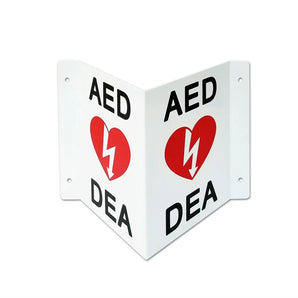
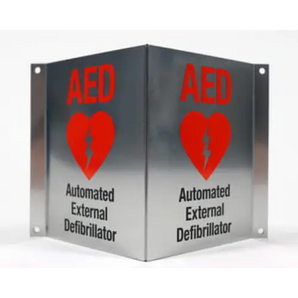
- Clear, visible signage indicating AED location
- Easy access for emergency responders
- Strategic placement to ensure quick retrieval
- Defibrillators must be available for use in locations that facilitate easy access
Registration Requirements
A critical component of Bill 141 is the mandatory registration system. Every person who owns or operates designated premises or public premises at which a defibrillator is installed shall register the defibrillator within 30 days after installation.
All AEDs covered under Bill 141 must be registered with a central registry maintained by an authorized organization appointed by the government. This centralized system ensures emergency services can quickly locate the nearest AED defib during cardiac emergencies.
The Ontario AED Registry for Public Premises
In 2024, the Ontario government announced that they have selected an organization to manage the AED registry for public premises under Bill 141. This registry represents a significant advancement in emergency preparedness for public facilities, creating a comprehensive database of AED locations across designated public premises.
The government plans to roll out the registry in phases, hopefully starting with urban areas in 2025 and gradually expanding to rural communities. This phased approach ensures systematic implementation while maintaining quality and accuracy for public premise AED locations.
Bill 141 Current Status
As of September 2025, Bill 141 has made significant progress in the legislative process, with implementation actively proceeding and registry development well underway. Organizations operating public premises should prepare now by assessing their AED needs and implementing appropriate solutions.
Ontario Regulation 157/25: AED Requirements for Construction Sites
Overview of Ontario Regulation 157/25
Separate from Bill 141, Ontario Regulation 157/25 under the Occupational Health and Safety Act specifically addresses AED requirements for construction sites. This regulation represents a first in Canada, establishing mandatory AED requirements for qualifying construction projects.
Who Needs an AED Under Ontario Regulation 157/25?
Ontario Regulation 157/25 requires AEDs on construction projects that meet specific criteria:
- Projects expected to last three months or longer
- Projects employing 20 or more workers
This regulation expands the existing requirement to have AEDs on projects when two or more workers are working in an energized electrical environment.
Construction Site AED Requirements
Installation Standards
Under Ontario Regulation 157/25:
- At least one AED must be clearly marked and accessible to all workers
- AEDs must be strategically placed to ensure retrieval and return within three minutes
- Additional AEDs may be necessary for larger or multi-level sites
- Clear signage must identify AED locations
Maintenance and Training
Construction sites must ensure:
- Regular maintenance of AED equipment
- Proper training for designated personnel
- Documentation of maintenance activities
- Compliance with manufacturer specifications
Financial Support for Construction Sites
Construction companies can benefit from significant financial support under Ontario Regulation 157/25. Eligible businesses can receive up to $2,300 from the Workplace Safety and Insurance Board to help offset AED costs, making compliance more accessible for construction operators.
Ontario Regulation 157/25 Current Status
As of September 2025, Ontario Regulation 157/25 is scheduled to come into effect as of January 1, 2026 and apply to all construction projects that meet the specified criteria. Construction companies should ensure compliance with these requirements to meet their legal obligations and enhance worker safety.
Choosing the Right AED Canada Solution for Your Needs
When selecting an AED for sale to meet Ontario's requirements under either legislation, consider these essential factors:
Technical Specifications
- Automatic vs. semi-automatic operation
- Voice prompts and visual indicators
- Pediatric capability
- Battery life and maintenance requirements
- Durability and environmental resistance
Training and Support
Your AED solution should include a training component. While AEDs are designed to be user-friendly, proper training helps improve confidence and effective use during emergencies. AEDs will not allow a shock to be given unless a person is truly in cardiac arrest, making them close to foolproof.
Maintenance and Compliance
Regular maintenance is crucial for compliance and effectiveness under both regulations. Your portable defibrillator requires:
- Regular battery checks and replacements
- Electrode pad inspections and updates
- Software updates as needed
- Documentation of all maintenance activities
Why AED Compliance Matters
Beyond legal requirements under both Bill 141 and Ontario Regulation 157/25, having an AED machine on-site demonstrates your commitment to safety and community well-being. Cardiac arrest can happen to anyone, anywhere, at any time. With survival rates dropping by 7-10% every minute without intervention, immediate access to a portable defibrillator can literally save lives.
Working with AED.ca for Your Ontario Requirements
As Canada's trusted AED provider, AED.ca understands the unique requirements of both Bill 141 and Ontario Regulation 157/25. We offer comprehensive AED solutions that include:
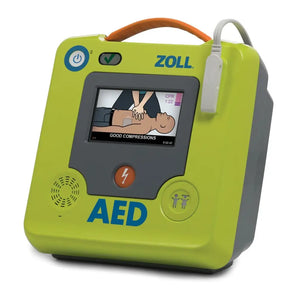
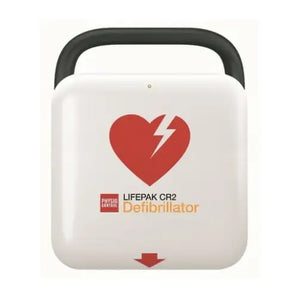
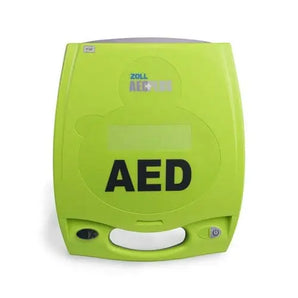
- High-quality AED machines from leading manufacturers
- Training programs for your staff
- Ongoing maintenance and support
- Registry registration assistance for Bill 141 compliance
- Compliance documentation for both regulations
Our team stays current with all regulatory changes, ensuring your A E D solution remains compliant with Ontario's evolving requirements under both pieces of legislation.
Workplace Considerations Beyond Current Legislation
While Bill 141 and Ontario Regulation 157/25 address specific sectors, forward-thinking employers across various industries are proactively implementing AED programs to enhance workplace safety. Ontario's progressive approach with these two distinct pieces of legislation sets a new standard for emergency preparedness across Canada.
Conclusion
Ontario's comprehensive approach to AED requirements, with Bill 141 addressing public premises and Ontario Regulation 157/25 covering construction sites, represents a significant advancement in public safety and emergency preparedness. Each regulation has distinct requirements, compliance obligations, and implementation timelines.
Whether you're managing a public facility under Bill 141 or operating a construction site under Ontario Regulation 157/25, having the right AED defib solution in place protects lives and ensures compliance with provincial legislation.
Don't wait for full enforcement to begin. Contact AED.ca today to discuss your specific AED needs under either regulation and ensure you're prepared with the right portable defibrillator solution for your Ontario location. Our team will help you navigate the requirements, select the appropriate equipment, and implement a comprehensive program that protects your community while meeting all regulatory obligations.
AED.ca now offers a Full Service Maintenance Plan to have all of your AEDs professionally managed. Learn more at AED Maintenance Plan
To upgrade your AED or Purchase additional AEDs go to: AED.ca AEDs
Remember: When cardiac arrest strikes, every second counts. Make sure you're ready with the right AED Canada solution from AED.ca.