Your Complete Compliance Guide
Many Ontario construction sites must have AEDs in 2025. Learn about mandatory requirements, WSIB reimbursement programs, workplace compliance, and how to protect your workers from sudden cardiac arrest.
Understanding Ontario's New AED Legislation for Construction Sites
Ontario is taking a groundbreaking step in workplace safety by introducing mandatory automated external defibrillator (AED) requirements for construction sites in 2025. This significant regulatory change will impact thousands of construction companies across the province, requiring them to equip their sites with life-saving AED technology.
With sudden cardiac arrest affecting approximately one Canadian every 15 minutes, and construction workers facing elevated risks due to the physically demanding nature of their work, this legislation represents a critical advancement in occupational health and safety standards.
What Are the New AED Requirements for Ontario Construction Sites?
The Ministry of Labour has made it clear that enforcement of the new AED requirement began in 2025. Construction sites that fail to comply may face significant penalties and legal consequences. The regulations specifically target construction operations that employ 20 or more workers at any given time.
This threshold recognizes that larger construction sites face greater statistical probability of cardiac emergencies while ensuring that smaller operations aren't burdened with disproportionate compliance costs. The requirement applies to all types of construction work, including residential, commercial, industrial, and infrastructure projects.
Key Compliance Requirements
Construction companies must ensure that their AEDs meet several critical standards to satisfy regulatory requirements. The devices must be readily accessible to all workers on site, properly maintained according to manufacturer specifications, and regularly inspected to ensure functionality. Additionally, sites must have trained personnel who can operate the AED and perform CPR in emergency situations.
Proper placement of AEDs on construction sites requires careful consideration of site layout, worker locations, and accessibility. The goal is to ensure that an AED can be retrieved and deployed within three to five minutes of a cardiac emergency, as every minute of delay reduces survival chances by approximately ten percent.
WSIB Reimbursement Program: Financial Support for AED Compliance
Recognizing the financial impact of this new requirement, the Workplace Safety and Insurance Board (WSIB) has established a reimbursement program to assist constructors with the cost of purchasing AEDs. With average AED costs hovering around $2,300 as of 2025, this program provides crucial financial relief for construction companies working to achieve compliance.
The reimbursement program demonstrates the government's commitment to supporting workplace safety while acknowledging the real costs associated with implementing new safety measures. Construction companies should proactively investigate their eligibility for this program and submit applications promptly to offset their AED investment costs.
How to Apply for WSIB AED Reimbursement
Companies seeking reimbursement should contact the WSIB directly to understand the application process, required documentation, and reimbursement timelines. Maintaining detailed records of AED purchases, including receipts, model numbers, and installation dates, will streamline the reimbursement process and ensure faster processing of claims.
Why AEDs Are Critical for Construction Site Safety
Construction work involves unique cardiovascular risk factors that make AED access particularly important. Physical exertion in extreme temperatures, working at heights, exposure to electrical hazards, and the stress of operating heavy machinery all contribute to increased cardiac arrest risk among construction workers.
Beyond the regulatory requirement, having AEDs on construction sites represents a moral and ethical commitment to worker safety. Immediate access to defibrillation can double or even triple survival rates for sudden cardiac arrest victims. When combined with prompt CPR, AED use within the first few minutes of collapse provides the best possible chance of survival.
Construction sites are often located in areas where emergency medical services may experience delayed response times due to traffic, remote locations, or difficult site access. On-site AEDs bridge this critical gap, providing immediate intervention while professional help is en route.
AED Training Requirements for Construction Workers
Having an AED on site is only effective if workers know how to use it. Ontario construction companies must ensure that an adequate number of employees receive certified training in both AED operation and CPR. Training courses are readily available throughout Ontario, including Toronto, Ottawa, Hamilton, London, and other major cities.
Comprehensive AED training programs typically include both theoretical knowledge and hands-on practice. Workers learn to recognize the signs of sudden cardiac arrest, activate emergency response systems, perform high-quality chest compressions, and properly use an AED device. Most training certifications remain valid for two years, after which refresher courses are required.
Creating an AED Emergency Response Plan
Beyond individual training, construction sites should develop comprehensive emergency response plans that specifically address cardiac emergencies. These plans should identify AED locations, designate trained responders for different shifts and site areas, establish clear communication protocols, and outline procedures for coordinating with emergency medical services.
Regular drills help ensure that workers can execute the emergency response plan effectively under pressure. These practice scenarios build confidence, identify potential problems with AED accessibility or communication systems, and reinforce the importance of rapid response.
Selecting the Right AED for Your Construction Site
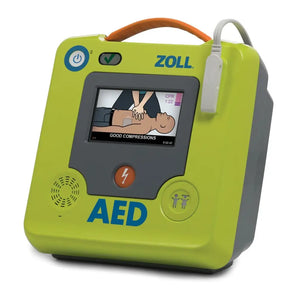
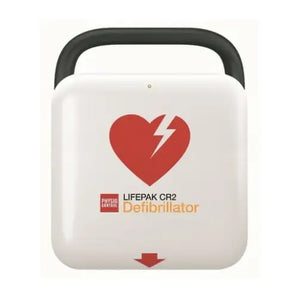
Not all AEDs are created equal, and construction sites require devices that can withstand harsh environmental conditions. When selecting an AED for construction site use, consider factors such as durability and weather resistance, battery life and maintenance requirements, ease of use for minimally trained operators, and clear voice prompts that can be heard in noisy environments.
Many modern AEDs offer rugged construction-grade cases that protect against dust, moisture, and impact. Some models include features specifically designed for industrial environments, such as enhanced audio systems that cut through ambient noise and visual indicators that remain visible in bright sunlight.
Recommended AED

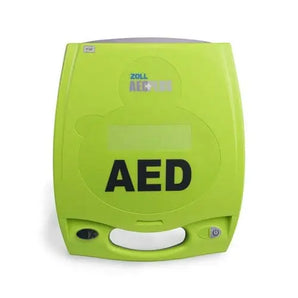
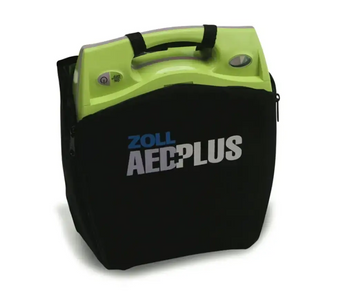
Zoll AED Plus
Reasons why recommend:
-
Real time Audio & Visual CPR feedback - improves positive outcomes by 50%
-
Pads and batteries both last 5 years - lowest cost of ownership
-
Highly resistant to dust and moisture and has an ingress protection (IP) rating of 55. This is among the highest in the industry.
https://aed.ca/products/zoll-aed-plus-fully-automatic-aed-with-cover
AED Placement Strategies for Construction Sites
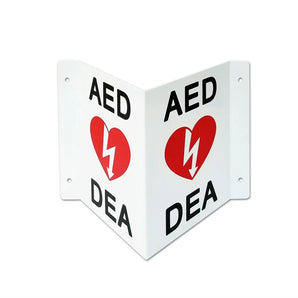
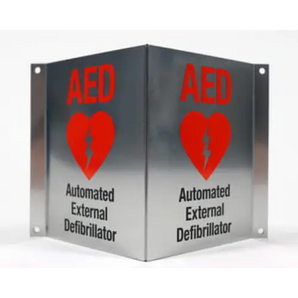
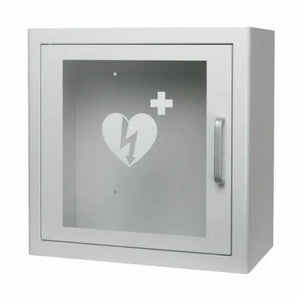
Optimal AED placement requires balancing accessibility with protection from environmental hazards. Common strategies include installing AEDs in site offices or trailers, mounting devices in weatherproof cabinets near high-traffic areas, ensuring visibility with clear signage, and adjusting placement as site layout evolves during construction phases.
For large construction sites, multiple AED units may be necessary to ensure adequate coverage. The goal is to position devices so that no worker is more than a three-minute walk from the nearest AED, accounting for obstacles, vertical distances, and typical pathways.
AED Maintenance and Inspection Protocols
Regulatory compliance extends beyond simply purchasing and installing an AED. Construction companies must implement ongoing maintenance and inspection protocols to ensure their devices remain functional when needed. Most AEDs perform automatic self-checks and provide visual or audible alerts when maintenance is required.
Regular inspection schedules should verify that the AED power indicator shows readiness, electrode pads remain within their expiration dates, the device and accessories are free from visible damage, the AED cabinet or storage case remains secure and accessible, and any used or expired components are promptly replaced.
Designating a specific individual as the AED coordinator helps ensure that maintenance tasks don't fall through the cracks. This person should maintain detailed logs of inspections, service activities, and any incidents involving AED use.
Legal Protections and Good Samaritan Laws in Ontario
One common concern that prevents workers from using AEDs during emergencies is fear of legal liability. Ontario's Good Samaritan laws provide important protections for individuals who provide emergency assistance, including AED use, in good faith.
These legal protections are designed to encourage bystander intervention by shielding rescuers from liability when they act reasonably and without gross negligence. Construction workers who have completed AED training and follow established protocols can be confident that they're protected when responding to cardiac emergencies.
Beyond Compliance: Building a Culture of Safety
While meeting regulatory requirements is essential, the most safety-conscious construction companies view AED implementation as part of a broader commitment to worker wellbeing. This perspective transforms compliance from a checkbox exercise into an opportunity to strengthen safety culture and demonstrate genuine care for employees.
Leadership commitment plays a crucial role in this cultural transformation. When company executives and site supervisors visibly prioritize cardiac emergency preparedness through their words and actions, it sends a powerful message that worker safety truly matters.
The Business Case for AEDs Beyond Compliance
Beyond avoiding regulatory penalties, AED implementation offers tangible business benefits. Companies with strong safety records often enjoy reduced insurance premiums, enhanced ability to attract and retain skilled workers, improved company reputation and competitive advantage, and decreased liability exposure from workplace injuries.
Furthermore, the skills and confidence gained through AED and CPR training extend beyond the construction site. Workers who receive this training become prepared to respond to cardiac emergencies in their communities and homes, amplifying the public health impact of workplace safety initiatives.
Implementation Timeline and Action Steps
Construction companies should take immediate action to ensure compliance with Ontario's AED requirements. A recommended implementation timeline includes conducting a site assessment to determine AED quantity and placement needs, researching and purchasing appropriate AED models, applying for WSIB reimbursement, scheduling training for supervisors and workers, developing emergency response protocols, and establishing maintenance and inspection schedules.
Companies that haven't yet begun this process should prioritize it immediately, as enforcement is already underway. Proactive compliance demonstrates commitment to safety and helps avoid potential penalties or work stoppages.
Provincial Variations in AED Requirements Across Canada
While Ontario is leading with mandatory construction site AED requirements, workplace safety regulations vary significantly across Canadian provinces. Currently, most provinces don't mandate AEDs in workplaces, though guidelines encourage their use in high-risk environments.
Construction companies operating in multiple provinces should familiarize themselves with jurisdiction-specific requirements and consider implementing consistent standards across all locations. As Ontario's experience demonstrates positive outcomes, other provinces may adopt similar legislation, making early adoption a strategic advantage.
Future Trends in Workplace AED Requirements
The trajectory of Canadian workplace safety legislation suggests that AED requirements will likely expand beyond construction sites. Facilities with large numbers of employees, high-traffic public spaces, and physically demanding work environments represent logical candidates for future regulatory attention.
Technological advances are also shaping the future of AED deployment. Connected devices that alert emergency services automatically, improved durability and battery life, integration with workplace safety management systems, and more sophisticated analytics for optimal placement are all emerging trends that will enhance the effectiveness of workplace AED programs.
Conclusion: Protecting Lives Through Preparedness
Ontario's new AED requirements for construction sites represent a significant milestone in Canadian workplace safety. By mandating access to these life-saving devices, the province is acknowledging the serious cardiovascular risks faced by construction workers and taking concrete action to improve survival rates for sudden cardiac arrest.
For construction companies, compliance with these requirements isn't just about avoiding penalties. It's about creating safer work environments, demonstrating commitment to worker wellbeing, and being prepared to save lives when every second counts. With WSIB reimbursement programs available to offset costs and comprehensive training readily accessible, there's no reason for delay.
The construction industry has always prided itself on building the infrastructure that supports communities. By embracing AED requirements and fostering a culture of cardiac emergency preparedness, the industry is now building something equally important: a safer future for the workers who make that infrastructure possible.
Ready to ensure your construction site meets Ontario's 2025 AED requirements? Visit AED.ca to explore our selection of construction-grade AEDs, learn about training and get expert guidance on compliance. Don't wait until enforcement actions impact your operations—protect your workers and your business today.