AEDs are Literal Life Savers
When someone experiences sudden cardiac arrest, an Automated External Defibrillator (AED) can mean the difference between life and death. Yet despite their life-saving potential, many misconceptions about AED use prevent bystanders from taking action during cardiac emergencies. Understanding the facts about AED operation, legal protections, and liability concerns can empower you to confidently respond when every second counts.
What is an AED and How Does it Work?
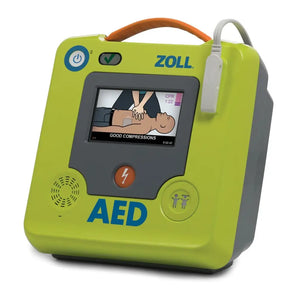
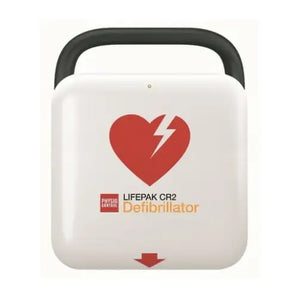
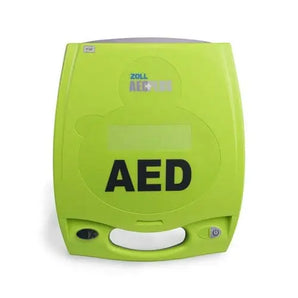
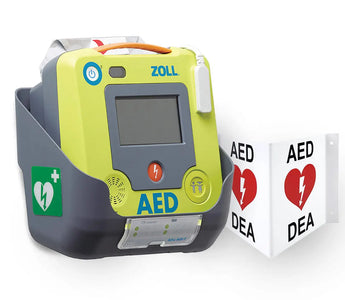
An Automatic External Defibrillator (AED) is a portable, user-friendly medical device designed to analyze heart rhythm and deliver an electrical shock to restore normal heartbeat during sudden cardiac arrest. Modern AED devices are specifically engineered for use by laypersons with minimal training, featuring voice prompts and visual instructions that guide users through each step of the defibrillation process.
AED machines work by detecting life-threatening cardiac arrhythmias, particularly ventricular fibrillation and pulseless ventricular tachychia. The device will only deliver a shock when absolutely necessary, making it virtually impossible to harm someone by using an AED incorrectly.
Common AED Myths vs. Facts
Myth #1: You Need Special Certification to Use an AED
FACT: While AED training and CPR certification are highly recommended, you do NOT need formal certification to use an AED in an emergency. Public access defibrillators are designed for anyone to use, regardless of medical training. The device provides clear, step-by-step audio and visual instructions that guide you through the entire process.
AED training programs, such as those offering CPR and AED certification, certainly enhance confidence and response time. However, the intuitive design of modern AED units ensures that even untrained bystanders can successfully operate the device during a cardiac emergency.
Myth #2: You Can Be Sued for Using an AED
FACT: Good Samaritan Laws across Canada and the United States protect individuals who use an AED during an emergency. These legal protections shield rescuers from liability when they act in good faith to help someone experiencing sudden cardiac arrest.
In Canada, all provinces and territories have Good Samaritan legislation that provides legal protection for anyone who uses an AED or performs CPR in an emergency situation. Similarly, the Cardiac Arrest Survival Act in the United States provides federal protection for AED use in federal buildings, and state-level Good Samaritan Laws offer protection nationwide.
These laws recognize that the risk of death from sudden cardiac arrest far outweighs any potential risk from AED use by a well-intentioned rescuer. As long as you act reasonably and in good faith, you are legally protected when using an automated external defibrillator.
Myth #3: An AED Can Harm Someone If Used Incorrectly
FACT: AED devices are remarkably safe and designed with multiple safeguards. The device analyzes the heart rhythm and will ONLY deliver a shock if it detects a shockable rhythm. You cannot accidentally shock someone who doesn't need it—the AED simply won't allow it.
Modern AED machines feature sophisticated algorithms that ensure appropriate defibrillation therapy. If the person has a normal heart rhythm or has already recovered, the automated external defibrillator will not advise a shock. This makes AED use one of the safest emergency interventions available.
Myth #4: You Shouldn't Use an AED on Pregnant Women or Children
FACT: AEDs can and should be used on anyone experiencing cardiac arrest, including pregnant women and children. For pediatric patients under age 8 or weighing less than 55 pounds, use pediatric AED pads or a pediatric-attenuated system if available. However, if pediatric pads are not available, adult AED pads should still be used—some defibrillation is better than none.
For pregnant women, the priority is saving the mother's life, which also gives the baby the best chance of survival. Do not hesitate to use an AED on a pregnant person experiencing sudden cardiac arrest.
Myth #5: AEDs Are Only Found in Hospitals
FACT: Public access defibrillators are strategically placed in numerous public locations including airports, schools, shopping malls, fitness centers, office buildings, and community centers. The widespread availability of AED devices has significantly improved survival rates from out-of-hospital cardiac arrest.
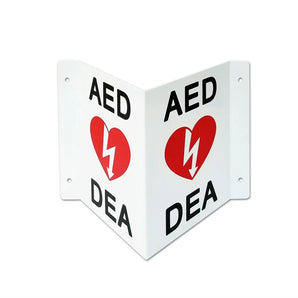
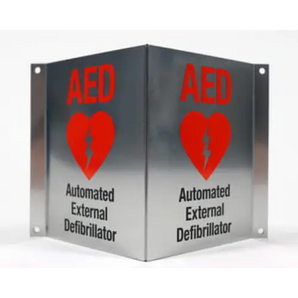
Many businesses and organizations now maintain AED programs to ensure immediate access to these life-saving devices. When equipped with proper AED signage, these units can be quickly located during emergencies.
Understanding Your Legal Protection: Good Samaritan Laws Explained
Good Samaritan Laws exist specifically to encourage bystanders to assist during medical emergencies without fear of legal repercussions. Here's what you need to know about liability protection when using an AED:
Canadian Good Samaritan Protection
Every Canadian province and territory has enacted Good Samaritan legislation that protects individuals who provide emergency assistance, including AED use. These laws generally provide protection when you:
- Act voluntarily without expectation of compensation
- Provide assistance in good faith
- Act reasonably given the circumstances
- Do not demonstrate gross negligence or willful misconduct
The legal protection applies whether you have completed AED training or are using the device for the first time.
What About AED Device Owners and Organizations?
Organizations that purchase and maintain AED equipment are also protected under Good Samaritan provisions, provided they:
- Ensure proper AED maintenance and regular inspections
- Provide appropriate AED signage indicating device location
- Keep AED batteries and electrode pads current and unexpired
- Consider offering AED training to staff (though not legally required)
- Register the AED location with local emergency services when applicable
Essential AED Facts for Confident Emergency Response
AED Placement and Accessibility
Effective AED programs ensure devices are:
- Clearly marked with visible AED signs
- Located in areas accessible within 3 minutes of a potential cardiac arrest
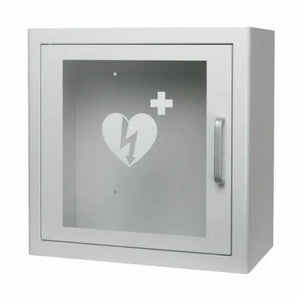
- Stored in AED cabinets or wall-mounted cases that protect the device while ensuring availability
- Positioned in high-traffic areas or locations where cardiac emergencies are more likely
Proper AED Maintenance
To ensure your automated external defibrillator functions properly during an emergency:
- Check AED batteries regularly according to manufacturer guidelines
- Replace AED pads before expiration dates
- Perform routine AED maintenance checks
- Keep the device in a temperature-controlled environment
- Document all inspections and replacements
Many modern AED units feature self-check functions that regularly test battery charge and internal systems, alerting owners to any maintenance needs.
AED Training and CPR Certification
While not legally required to use a public access defibrillator, AED training significantly improves confidence and effectiveness during cardiac emergencies. Comprehensive CPR and AED certification courses teach:
- Recognition of sudden cardiac arrest symptoms
- Proper CPR techniques
- Correct AED pad placement
- Integration of chest compressions with defibrillation
- Pediatric AED considerations
- Post-resuscitation care until emergency medical services arrive
The Critical Importance of AED Use in Cardiac Emergencies
The statistics surrounding sudden cardiac arrest underscore why overcoming AED myths is so important:
- Sudden cardiac arrest can happen to anyone, anywhere, at any time
- Survival rates decrease by 7-10% for every minute without defibrillation
- Immediate CPR and AED use can double or triple survival chances
- Most out-of-hospital cardiac arrests occur in homes or public spaces, not medical facilities
- Early defibrillation within 3-5 minutes of collapse can achieve survival rates as high as 70%
Every second matters during a cardiac emergency. Hesitation due to misconceptions about liability or device safety directly impacts survival outcomes.
Taking Action: Your Role in the Chain of Survival
When you witness someone collapse from suspected sudden cardiac arrest, remember these critical steps:
- Call 911 immediately - Alert emergency medical services
- Start CPR - Begin chest compressions if the person is unresponsive and not breathing normally
- Send someone to get the AED - Locate the nearest public access defibrillator
- Use the AED as soon as it arrives - Turn it on and follow the prompts
- Continue CPR - Alternate between chest compressions and AED analysis/shocks as directed
- Stay with the person - Continue care until emergency medical services arrive
Conclusion: Empowered to Save Lives
Understanding the facts about Automatic External Defibrillators dispels the myths that prevent life-saving action during cardiac emergencies. You are legally protected by Good Samaritan Laws when using an AED in good faith. The device is designed to be safe and effective in anyone's hands, providing clear guidance at every step.
Whether you've completed formal AED training or are encountering an automated external defibrillator for the first time, you have the legal protection and the capability to save a life. Don't let misconceptions about liability or device complexity prevent you from taking action when someone experiences sudden cardiac arrest.
The best AED is the one that gets used. When faced with a cardiac emergency, your willingness to act—combined with the legal protections afforded by Good Samaritan Laws—can make you someone's hero.
Ready to enhance your preparedness? Explore our comprehensive selection of AED devices, AED cabinets, replacement pads, and batteries @ AED.ca.
Remember: You're protected, you're capable, and your action can save a life.