AED News In Canada
Automated external defibrillators (AEDs) are becoming increasingly vital across Canada as provinces implement groundbreaking legislation to improve cardiac emergency response. Whether you're looking to buy an AED for your workplace, understand the latest regulatory requirements, or learn about Good Samaritan protections, this comprehensive guide covers everything Canadian organizations and individuals need to know about AED defibrillators in 2025.
Breaking News: Canada Leads with Revolutionary AED Legislation
Ontario Makes History with Construction Site Requirements
In a Canadian first, Ontario has introduced mandatory AED requirements for construction sites through Ontario Regulation 157/25. This groundbreaking legislation requires automated external defibrillators on construction projects that meet specific criteria: projects expected to last three months or longer with 20 or more workers.
To support businesses with implementation costs, the Workplace Safety and Insurance Board (WSIB) has established a reimbursement program that covers the purchase of AED units from the WSIB insurance fund. With the average AED cost in Canada currently sitting at approximately $2,300 as of April 2025, this financial support significantly eases the burden on construction companies prioritizing worker safety.
"Our skilled workers are at the centre of our government's plan to build highways, energy and key infrastructure," stated Ontario Minister of Labour David Piccini. "Ensuring lifesaving equipment is where it's needed to keep them safe is one more way we're creating safer workplaces."
British Columbia Mandates AEDs in All High Schools
British Columbia has taken a bold step forward in student safety by requiring AED defibrillators and naloxone kits in all secondary schools by December 2025. This updated health emergencies policy will also see Grade 10 students trained in first aid, CPR, and how to use automated external defibrillators during gym class beginning September 2025.
The policy change was prompted by tragic incidents where students experienced cardiac emergencies without immediate access to life-saving equipment. Tobias Zhang, a Grade 12 student whose friend died after going into cardiac arrest at school, has been a vocal advocate for this change. "There was no AED to help save my friend when he needed one," Zhang shared, highlighting the critical importance of accessible AED defib equipment in schools.
Ontario's Bill 141: Public Access Defibrillation Program
Separate from construction site requirements, Ontario's Bill 141 is making significant progress in the legislative process, with implementation actively proceeding and registry development well underway. This legislation focuses on requiring AEDs in public premises, creating a comprehensive network of accessible life-saving equipment throughout the province.
Organizations operating public premises should begin assessing their AED needs immediately to ensure compliance with both Bill 141 and Ontario Regulation 157/25.
Understanding AED Defibrillator Price and Cost Considerations
When planning to buy an AED in Canada, understanding the full cost structure is essential for making informed decisions about your automated external defibrillator investment.
Initial AED Cost Breakdown
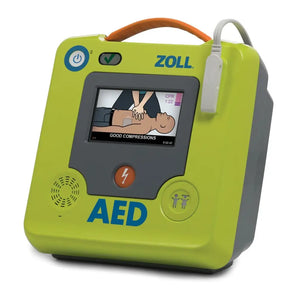
Standard Models ($2,295 - $2,457 CAD) Mid-tier AED defibrillator units often include enhanced features such as CPR coaching, improved battery life, detailed display screens, and better environmental protection ratings. These automatic defibrillators balance cost with functionality for most commercial applications.
Professional/Advanced Models ($2,947 - $4,450 CAD) High-end AED machines feature advanced monitoring capabilities, extensive data storage, enhanced connectivity options, and ruggedized construction for demanding environments. Healthcare facilities and high-traffic public spaces often choose these premium options.
Ongoing Automatic Defibrillator Cost Factors
When budgeting for your AED Canada purchase, consider these recurring expenses:
AED Pads Replacement AED pads are single-use components that expire every 2-5 years, even if unused. Adult pad sets typically cost $100-$300. Organizations should budget for regular pad replacement regardless of usage.
Battery Replacement AED batteries last 2-5 years depending on the model and usage. Replacement batteries cost $150-$400, and some advanced units require specialized power sources.
Maintenance and Inspections Regular maintenance ensures optimal performance and regulatory compliance. Budget for periodic inspections and potential service costs.
Training Programs Investing in CPR and AED training for staff maximizes the effectiveness of your defibrillator investment and ensures confident emergency response.
Canada Good Samaritan Law: Protection When Using an AED
One of the most common concerns preventing bystanders from using an AED during emergencies is fear of legal liability. Understanding the Canadian Good Samaritan law is crucial for anyone who might respond to a cardiac emergency.
How Good Samaritan Laws Protect Rescuers
The Canada Good Samaritan law exists across most provinces to protect individuals who voluntarily provide emergency assistance. These laws are specifically designed to encourage people to act during medical emergencies without fear of a Good Samaritan lawsuit.
Key Protection Principles:
- Voluntary Assistance: Protection applies when you provide emergency aid voluntarily without expectation of compensation or reward
- Good Faith Action: You must act in good faith, believing the person needs immediate assistance
- Reasonable Care: Protection extends to reasonable actions taken during the emergency, even if mistakes occur
- Gross Negligence Exception: Protection does not cover acts of gross negligence or intentional harm
Provincial Good Samaritan Law Variations
Ontario's Good Samaritan Act Ontario's legislation protects individuals who provide emergency medical assistance at the immediate scene of an accident or emergency. The law specifically states that rescuers cannot be held liable for damages unless there was "gross negligence." This means breaking a rib while performing CPR is protected, but reckless or intentionally harmful actions are not.
Alberta's Emergency Medical Aid Act Alberta ensures those who render emergency assistance are not held liable for their actions, provided they act reasonably and without gross negligence.
British Columbia's Good Samaritan Act BC's legislation shields individuals offering emergency aid from legal liability as long as their actions are not grossly negligent.
Quebec's Unique Good Citizen Law Requirement Unlike other provinces, Quebec's Good Citizen Law actually mandates individuals to assist those in medical distress, making it the only Canadian province with a legal duty to help.
AED and CPR: Combined Protection Under Good Samaritan Laws
When someone uses an AED defibrillator and performs CPR during a cardiac emergency, they receive protection under Canadian Good Samaritan laws. Modern AED machines are specifically designed for use by laypersons, featuring voice-guided instructions that walk rescuers through each step.
The automatic defibrillator will only deliver a shock if it detects a shockable rhythm, making it virtually impossible to harm someone by using the device. Combined with Good Samaritan legal protections, Canadians can act confidently when seconds matter most.
The Life-Saving Impact of AED and CPR Together
Cardiac arrest claims approximately 50,000 Canadian lives annually, with the majority occurring outside hospital settings. Time is the critical factor in survival, with chances decreasing by 7-10% for each minute without defibrillation.
Survival Statistics:
- CPR alone provides only 5% survival rate
- AED and CPR together increase survival to over 70%
- Every minute without defibrillation decreases survival by 7-10%
- Average ambulance response time is 8 minutes in urban centers
These statistics underscore why having an AED for sale at accessible locations throughout communities is essential. When an AED automated defibrillator is used within the first few minutes of cardiac arrest alongside CPR, survival rates improve dramatically.
How to Buy AED Equipment: Finding the Best AED for Your Needs
Choosing the right AED defib equipment requires careful consideration of your specific environment and requirements.
Factors to Consider When You Buy Automated External Defibrillator Units
1. Environment and Conditions Consider where the AED will be located. Outdoor installations or harsh environments require ruggedized units with appropriate IP ratings. Indoor, climate-controlled locations can use standard models.
2. User Profile Will the AED be used primarily by trained staff or potentially by members of the public? Some models offer more detailed prompts and visual aids for untrained users.
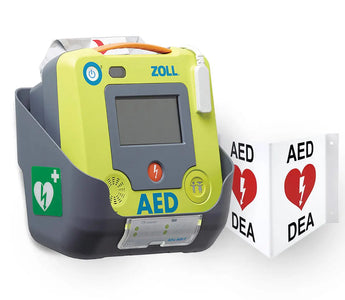
3. Bilingual Requirements In Canada, many organizations require bilingual (English/French) AED units to serve diverse populations and meet regulatory requirements.
4. Special Population Needs Organizations serving children or infants need AED models with pediatric capabilities. Many modern units include pediatric pads or settings.
5. Connectivity and Monitoring Advanced AED Canada models offer Wi-Fi connectivity, allowing remote monitoring of device readiness, automatic alerts for maintenance needs, and data upload capabilities.
6. Regulatory Compliance Ensure any AED for sale in Canada is Health Canada-approved and meets federal safety and performance standards.
Where to Buy AED Equipment in Canada
AED.ca: Canada's Trusted AED Specialists
As Canada's leading AED provider, AED.ca offers:
- Comprehensive selection of best AED models from leading manufacturers
- Expert guidance on selecting appropriate automated external defibrillator units
- Bilingual AED options for Canadian requirements
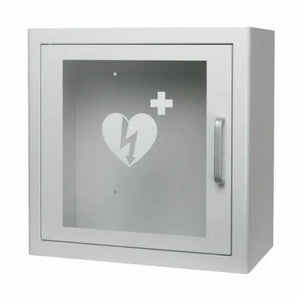
- Complete accessory packages including cabinets, signage, and replacement supplies
- AED Training programs for staff
- Ongoing maintenance and support services
- Compliance assistance for Ontario's Bill 141 and Regulation 157/25
Support Programs Available:
- AED Donation Program for charities and non-profits
- Financial assistance information for construction companies under WSIB reimbursement
- Consultation services for organizations implementing public access defibrillation programs
Implementing an Effective AED Canada Program
Purchasing an AED defibrillator is only the first step. Effective implementation ensures your investment saves lives when emergencies occur.
Essential Program Components
1. Strategic Placement Position AED units in easily accessible, highly visible locations. Ensure placement allows retrieval and deployment within 3-5 minutes to any location on your premises.
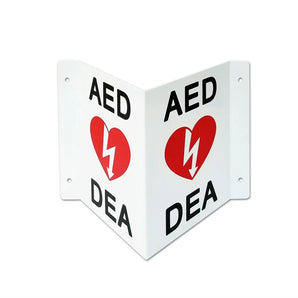
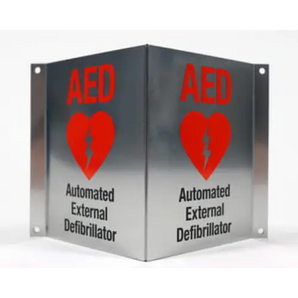
2. Clear Signage Install prominent AED signs throughout your facility directing people to the nearest automated external defibrillator location.
3. Staff Training Regular CPR and AED training ensures confident, effective emergency response. Training should include:
- Recognizing cardiac arrest
- Activating emergency response
- Performing high-quality CPR
- Operating the AED automated defibrillator
- Post-rescue care
4. Maintenance Schedule Establish routine inspection procedures checking:
- Battery charge levels
- Pad expiration dates
- Physical condition of the unit
- Cabinet integrity and alarm function
- Accessory kit completeness
5. Emergency Response Plan Integrate AED use into your broader emergency response procedures, clearly defining roles and responsibilities.
6. Registry Compliance In Ontario, organizations must prepare for registry requirements under Bill 141, which will track AED locations for emergency services.
Regulatory Compliance: Meeting Canadian AED Requirements
When you buy an AED, verify it carries proper Health Canada approval to ensure safety, quality, and legal compliance.
Provincial Requirements
Ontario
- Bill 141: Public premises requirements (implementation in progress)
- Ontario Regulation 157/25: Construction site requirements for projects 3+ months with 20+ workers
- Chase McEachern Act: Liability protection for AED users
British Columbia
- Mandatory AEDs in all secondary schools by December 2025
- Public Access Defibrillation (PAD) program placement in public spaces
- Grade 10 first aid training including AED use
Alberta
- Public Access to Defibrillation program
- AED placement in schools and recreation centers
- Strong provincial investment in cardiac emergency preparedness
Quebec
- Investment in 900 new AED units over three years
- Strategic placement near ATMs and public spaces
- Partnership with Jacques-de-Champlain Foundation
Best AED Models for Canadian Applications
When searching for the best AED for your organization, consider these top-performing models available through AED.ca:
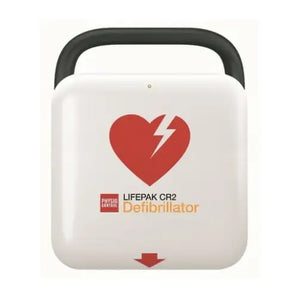
Physio-Control LIFEPAK CR2
This semi-automatic AED features:
- Bilingual operation (English/French)
- Wi-Fi connectivity for remote monitoring
- Real-time CPR feedback
- Pediatric capabilities
- Rugged, reliable construction
- Ideal for construction sites, schools, and public spaces
Leading Manufacturer Options
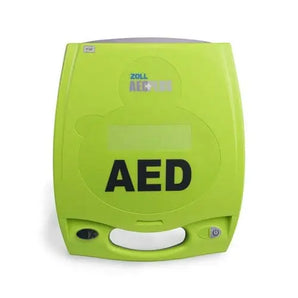
AED.ca carries automated external defibrillator units from industry-leading manufacturers, all meeting Health Canada requirements and offering:
- User-friendly operation for laypersons
- Clear voice and visual prompts
- Automatic rhythm analysis
- Single-button operation
- Long-life batteries and pads
- Comprehensive warranty coverage
Making Your AED Investment Count
Investing in an AED defibrillator represents a commitment to safety and emergency preparedness. With new regulations taking effect across Canada, now is the ideal time to evaluate your organization's needs and implement comprehensive cardiac emergency response capabilities.
Return on Investment Considerations
While AED cost represents a significant upfront investment, consider:
- Average cardiac arrest hospitalization exceeds $50,000
- Lost productivity and long-term care costs reach hundreds of thousands
- Legal liability protection through compliance with safety regulations
- Enhanced workplace safety culture and employee confidence
- Potential WSIB reimbursement for qualifying Ontario construction projects
Taking Action Today
With cardiac arrest claiming one Canadian life every 13 minutes, and survival depending on immediate defibrillation within the first few minutes, accessible AED automated defibrillator equipment throughout Canadian communities is essential.
Whether you're a construction company preparing for Ontario Regulation 157/25 compliance, a school implementing BC's new requirements, a business preparing for Bill 141, or an organization committed to employee and public safety, AED.ca provides the expertise, equipment, and support you need.
Conclusion: Building a Safer Canada with AED.ca
Canada is leading the way with progressive AED legislation and public access defibrillation programs. From Ontario's groundbreaking construction site requirements to BC's school initiatives, provinces are recognizing that widespread AED availability saves lives.
Understanding the automatic defibrillator cost, knowing your protection under the Canadian Good Samaritan law, and selecting the best AED for your needs are all essential steps in building effective cardiac emergency response capabilities.
AED.ca stands ready as your partner in this critical mission. With comprehensive product selection, expert guidance, ongoing support, and deep understanding of Canadian regulatory requirements, we help organizations across the country implement life-saving AED programs.
Don't wait until tragedy strikes to wish you had prepared. Contact AED.ca today to discuss your automated external defibrillator needs and take the first step toward creating a safer environment for your employees, students, customers, and community members.
Contact AED.ca Visit AED.ca for:
- Expert consultation on AED selection
- Complete product information and pricing
- Training program details
- Regulatory compliance assistance
- Ongoing maintenance support
Remember: When cardiac arrest strikes, every second counts. Make sure you're ready with the right AED Canada solution from AED.ca.
This article contains information current as of November 2025. AED regulations and requirements continue to evolve. Consult AED.ca for the latest updates on Canadian AED legislation and compliance requirements.