When Every Second Counts
Sudden cardiac arrest strikes without warning, transforming an ordinary day into a life-or-death emergency in mere seconds. In Canada, approximately 50,000 people experience cardiac arrest outside of hospitals each year, yet survival rates remain devastatingly low at just 8-10%. The difference between life and death often comes down to one crucial factor: immediate access to an automated external defibrillator (AED) and trained responders.
The Reality of "It Has Never Happened Here Before"
Perhaps the most dangerous justification for avoiding AED preparedness is the false sense of security that comes with the phrase "it has never happened here before." This mindset represents a fundamental misunderstanding of how sudden cardiac arrest works and the statistical reality that every workplace, school, and home faces.
Breaking Down the Statistics
Cardiac arrest doesn't discriminate based on location, industry, or past history. A manufacturing plant with a spotless safety record, a retail store that's operated for decades without incident, or a community center that has hosted thousands of events can all become the site of a cardiac emergency at any moment. The absence of previous incidents doesn't reduce risk—it simply means you've been fortunate so far.
Consider these sobering facts: sudden cardiac arrest can affect anyone, regardless of age or apparent health status. While more common in older adults, cardiac arrest can strike people in their 20s, 30s, and 40s who show no prior symptoms of heart disease. Athletes, office workers, customers, and visitors are all equally vulnerable.
The Cost of Unpreparedness
When cardiac arrest occurs and no AED is available, the consequences extend far beyond the immediate medical emergency. Organizations face potential liability issues, traumatized employees and witnesses, and the crushing weight of knowing that a life might have been saved with proper preparation. The emotional toll on workplace communities cannot be quantified, but it's profound and lasting.
Understanding AED Machine Technology and Effectiveness
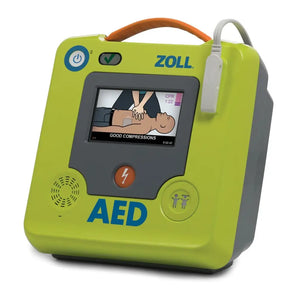
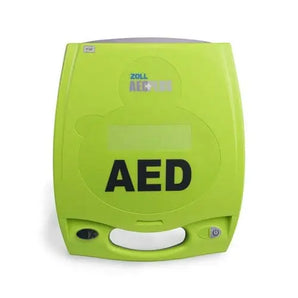
Modern AED machines represent decades of medical advancement compressed into user-friendly devices designed for use by ordinary citizens. These sophisticated automated external defibrillators analyze heart rhythms and deliver precisely calibrated electrical shocks when needed, all while providing clear audio and visual instructions to guide users through the process.
How AEDs Save Lives
When someone experiences sudden cardiac arrest, their heart's electrical system malfunctions, causing chaotic, ineffective rhythms called ventricular fibrillation or ventricular tachycardia. The heart quivers instead of pumping blood effectively, cutting off oxygen to vital organs. Without intervention, brain death begins within 4-6 minutes.
An AED machine restores normal heart rhythm by delivering a controlled electrical shock that essentially "resets" the heart's electrical system. This process, called defibrillation, is most effective when performed within the first few minutes of cardiac arrest. Each minute of delay reduces survival chances by 7-10%.
The Technology Behind Modern AEDs
Today's AEDs incorporate advanced algorithms that can distinguish between shockable and non-shockable rhythms with remarkable accuracy. They guide users through each step of the rescue process, from pad placement to CPR timing. Many models include real-time feedback on compression depth and rate, ensuring that even untrained bystanders can provide effective care.
The Legal Protection: Canadian Good Samaritan Law
One significant barrier to AED use has traditionally been fear of legal liability. Fortunately, Canadian Good Samaritan law provides comprehensive protection for individuals who attempt to help others during medical emergencies, including those who use AED machines.
Understanding Your Legal Protection
The Canadian Good Samaritan law, along with similar provincial legislation, protects individuals from legal liability when they provide emergency medical assistance in good faith. This protection specifically extends to AED use, recognizing that the potential for saving lives far outweighs the minimal risks associated with these devices.
Key protections include:
- Immunity from civil liability when providing emergency care without expectation of compensation
- Protection for reasonable actions taken during emergency situations
- Coverage for AED use by trained and untrained individuals alike
- Recognition that doing nothing poses greater risk than attempting to help
This legal framework means that employees, volunteers, and even customers who respond to cardiac emergencies with AEDs are protected from lawsuits, provided they act reasonably and without gross negligence.
Investment Considerations: Understanding AED Costs
When evaluating AED implementation, organizations often focus primarily on upfront costs without considering the broader financial implications. Understanding automated external defibrillator prices, ongoing expenses, and potential cost savings provides a more complete picture of this investment.
Initial Equipment Costs
The price of an AED varies significantly based on features, brand, and capabilities. Basic models suitable for general workplaces an home use typically range from $2,000 to $3,000. When evaluating defibrillator prices, consider factors such as:
- Ease of use and user guidance features
- Durability and environmental resistance
- Battery life and replacement costs
- Warranty coverage and technical support
- Training resources and ongoing education
Understanding Total Cost of Ownership
Beyond the initial automatic defibrillator cost, organizations must budget for ongoing expenses including battery replacements, electrode pad replacements, and periodic maintenance. Most AED batteries last 4-5 years, with replacement costs ranging from $200 to $400. Electrode pads typically expire every4-5 years and cost $200 to $400 per set.
However, these ongoing costs pale in comparison to the potential expenses associated with cardiac arrest incidents where no AED is available. Legal fees, workers' compensation claims, business interruption, and reputational damage can easily exceed the total investment in AED preparedness by orders of magnitude.
The Value Proposition
When viewed through the lens of risk management and duty of care, AED investment becomes not just ethically justified but financially prudent. The defib prices represent a small fraction of the potential costs associated with preventable cardiac arrest fatalities, while the value of a saved life is immeasurable.
Why AED.ca Stands Out as Canada's Premier Choice
Selecting the right AED supplier is crucial for ensuring effective implementation and ongoing support. AED.ca has established itself as Canada's leading provider of automated external defibrillators, offering comprehensive solutions that extend far beyond simple equipment sales.
Comprehensive Product Selection
AED.ca offers an extensive range of AED machines designed to meet diverse needs and budgets. Their selection includes entry-level units perfect for small offices, advanced models suitable for high-traffic environments, and specialized AEDs designed for specific industries or applications. This variety ensures that organizations can find the right balance of features and affordability.
Expert Guidance and Support
What sets AED.ca apart is their commitment to helping organizations make informed decisions about AED implementation. Their experienced team provides personalized consultations to assess specific needs, recommend appropriate models. This expertise proves invaluable in navigating the complex landscape of AED selection and implementation.
Training and Education Resources
AED.ca recognizes that equipment alone isn't sufficient for effective emergency response. They offer training programs designed to build confidence and competence among potential rescuers.
Ongoing Support and Maintenance
The relationship extends well beyond the initial purchase. They provide ongoing support services including equipment maintenance, battery and pad replacement programs, and regular check-ins to ensure readiness. This comprehensive approach ensures that AEDs remain functional and ready for use when needed most.
Implementation Best Practices for Canadian Organizations
Successful AED implementation requires careful planning and ongoing commitment. Organizations that achieve the best outcomes follow established best practices that maximize the effectiveness of their emergency response capabilities.
Strategic Placement and Accessibility
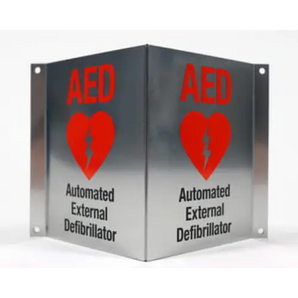
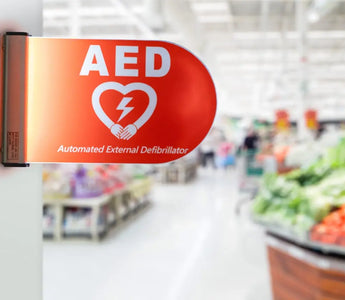
AED placement should be based on response time goals and facility layout. Ideally, AEDs should be positioned so that they can be retrieved and deployed within 2-3 minutes of cardiac arrest recognition. This typically means placing units in central locations with high visibility and easy access.
Consider factors such as:
- Traffic patterns and common gathering areas
- Distance from potential response locations
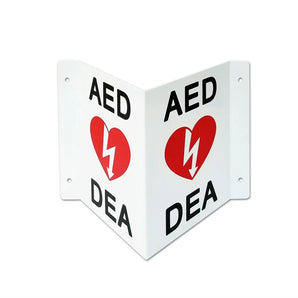
- Visibility and clear signage
- Security while maintaining accessibility
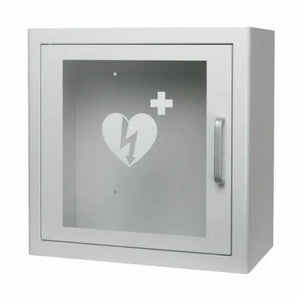
- Environmental conditions that might affect equipment
The Urgency of Action: Why Waiting Isn't an Option
Every day of delay in AED implementation represents missed opportunities to save lives. Cardiac arrest strikes without warning, and the "it hasn't happened here before" mindset provides no protection against future incidents.
The Statistical Reality
With cardiac arrest affecting approximately 1 in 1,000 people annually, larger organizations face statistically significant risks. A company with 500 employees can expect to encounter cardiac arrest within their workforce or visitor population every few years. Schools, community centers, and public facilities face even higher risks due to their diverse populations and high traffic volumes.
The Ripple Effect of Preparedness
Organizations that invest in AED preparedness often discover benefits that extend beyond emergency response. Employees feel more secure knowing their workplace prioritizes safety, and the training process builds team cohesion and confidence. The visible commitment to life-saving preparedness enhances organizational reputation and demonstrates genuine care for stakeholder wellbeing.
Taking Action: Your Next Steps
The decision to implement AED preparedness shouldn't be delayed by budget cycles, committee approvals, or the false security of past safety records. Every day without AED coverage represents unnecessary risk to lives that could be saved with proper preparation.
Starting Your AED Journey
Begin by contacting AED.ca for a comprehensive consultation that will assess your specific needs and provide detailed recommendations. Their team will help you understand the investment required, identify optimal placement strategies, and develop implementation timelines that fit your organization's circumstances.
Building Internal Support
Present the case for AED implementation to decision-makers using concrete data about cardiac arrest risks, legal protections provided by Canadian Good Samaritan law, and the comprehensive support available through AED.ca. Emphasize that this investment represents both ethical responsibility and prudent risk management.
Creating a Timeline
Develop a realistic implementation timeline that includes equipment procurement, installation, training, and ongoing maintenance planning. AED.ca can help streamline this process and ensure that all elements come together effectively.
Recommended AED
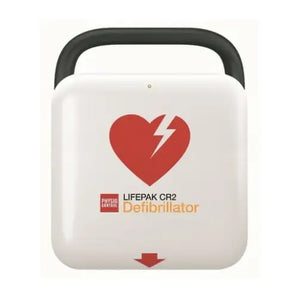
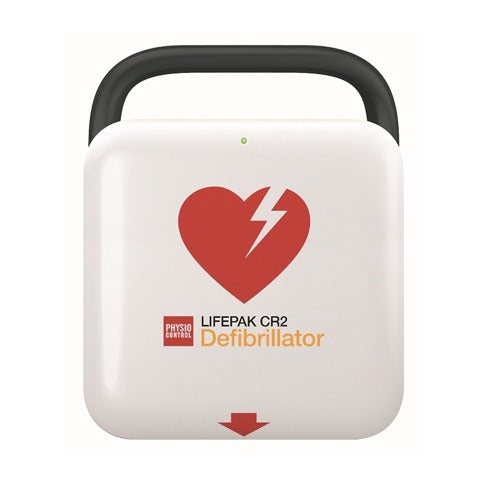
Physio-Control CR2 AED
Reasons why recommend:
-
Ability to switch between adult and child rescue at the press of a button - only one set of pads needed
-
Pads & Batteries both last for your years
-
Fully Bilingual
- Highly resistant to dust and moisture and has an ingress protection (IP) rating of 55. This is among the highest in the industry.
For more information go to:
https://aed.ca/products/stryker-physio-cr2-semi-auto-english-wifi
Conclusion: The Time for Action is Now
The question isn't whether cardiac arrest will occur in your workplace or community—it's whether you'll be prepared when it does. The "it has never happened here before" justification for avoiding AED preparedness ignores the statistical reality that cardiac arrest can strike anyone, anywhere, at any time.
Modern AED machines, backed by Canadian Good Samaritan law protections and supported by comprehensive service providers like AED.ca, make life-saving capability accessible to every organization. The investment in automated external defibrillators represents not just equipment purchase but a commitment to protecting lives and building safer communities.
The price of an AED is measured in hundreds or thousands of dollars, but the value of a saved life is immeasurable. Don't let another day pass without taking action to protect your workplace, your employees, and your community. Contact AED.ca today to begin your journey toward comprehensive cardiac arrest preparedness.
When every second counts, being prepared isn't just good policy—it's a moral imperative that could mean the difference between tragedy and triumph. The time for action is now, because the life you save may be someone you work with, serve, or care about every day.